Sheet Metal Polishing Machine Exporter: Finding the Right Partner
For businesses involved in metal fabrication, sheet metal polishing is a critical process that impacts the final product’s quality and appearance. Sourcing a reliable sheet metal polishing machine exporter is therefore paramount. This article explores the key considerations when choosing an exporter, the benefits of partnering with a specialist, and what to look for in a quality polishing machine. We’ll help you navigate the complexities of international trade and find a solution that meets your specific needs. A skilled partner can improve efficiency, reduce costs, and ensure consistently polished results.
Why Choose a Dedicated Sheet Metal Polishing Machine Exporter?
While numerous machine tool exporters exist, those specializing in sheet metal polishing offer distinct advantages. They possess a deep understanding of the unique challenges and requirements of this process. This expertise translates into a more tailored selection of machines, knowledgeable technical support, and efficient after-sales service. A dedicated exporter can also provide valuable insights into the latest industry trends, advancements in polishing technology, and optimal machine configurations for your specific metal types and desired finishes. Xielizz is a leading provider, understanding the intricacies of sheet metal finishing.
Key Benefits: Specialized knowledge, tailored solutions, responsive technical support, and access to the latest technology.
Key Considerations When Selecting a Sheet Metal Polishing Machine
Choosing the right polishing machine involves more than just price. Several factors are crucial. First, the type of metal you’ll be polishing dictates the abrasive compounds and machine speed required. Second, the desired finish – from a simple satin sheen to a mirror-like polish – influences the number of stages and types of polishing wheels or belts needed. Third, the volume of production determines the size and automation level of the machine. Consider the machine’s power requirements, ease of maintenance, and the availability of spare parts. Finally, evaluate the exporter’s reputation for quality control and customer service.
Essential Factors:
• Metal Type Compatibility
• Desired Finish Level
• Production Volume
• Maintenance Requirements
Sheet Metal Polishing Machine Types: A Comparison
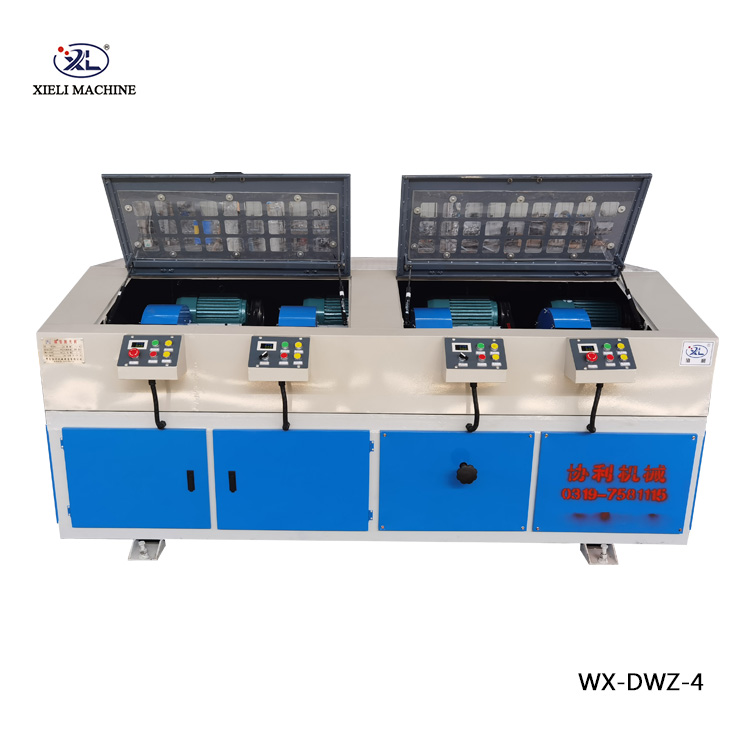
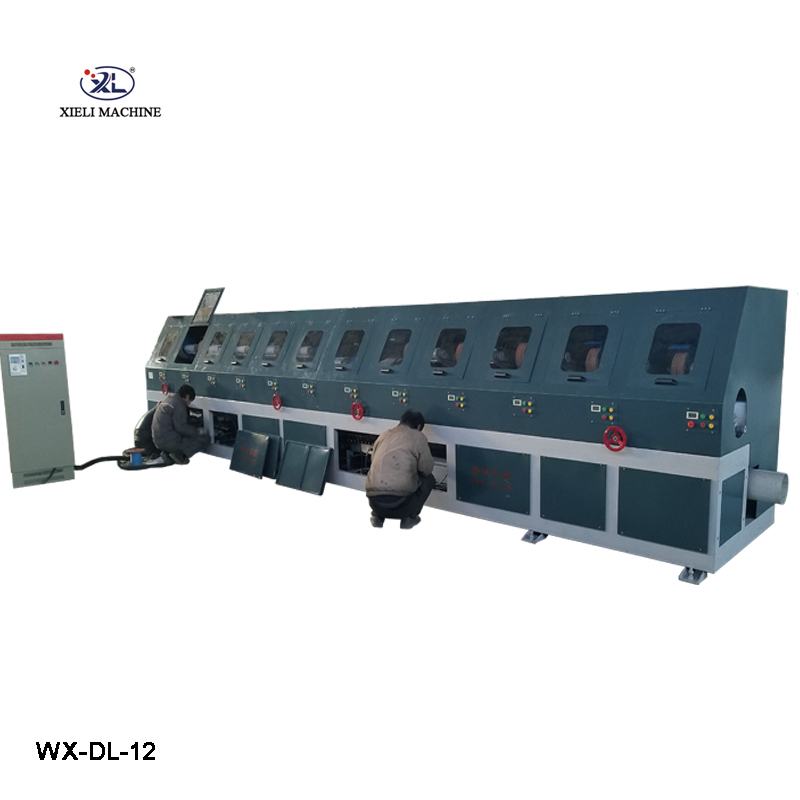
Several types of polishing machines cater to different needs. Belt polishing machines are ideal for removing deep scratches and achieving a consistent finish on large surfaces. Wheel polishing machines are versatile and suitable for various metals and finishes. Automated polishing machines offer high efficiency for high-volume production runs. Below is a comparison:
Evaluating a Potential Sheet Metal Polishing Machine Exporter
Beyond the machine itself, the exporter’s reliability is paramount. Look for companies with a proven track record, positive customer testimonials, and a commitment to quality. Verify their certifications and adherence to international standards. Assess their after-sales service capabilities, including the availability of spare parts, technical support, and on-site maintenance. Clear communication and transparent pricing are also essential. A reputable sheet metal polishing machine exporter will prioritize building long-term relationships with their clients.
Key Specifications to Consider
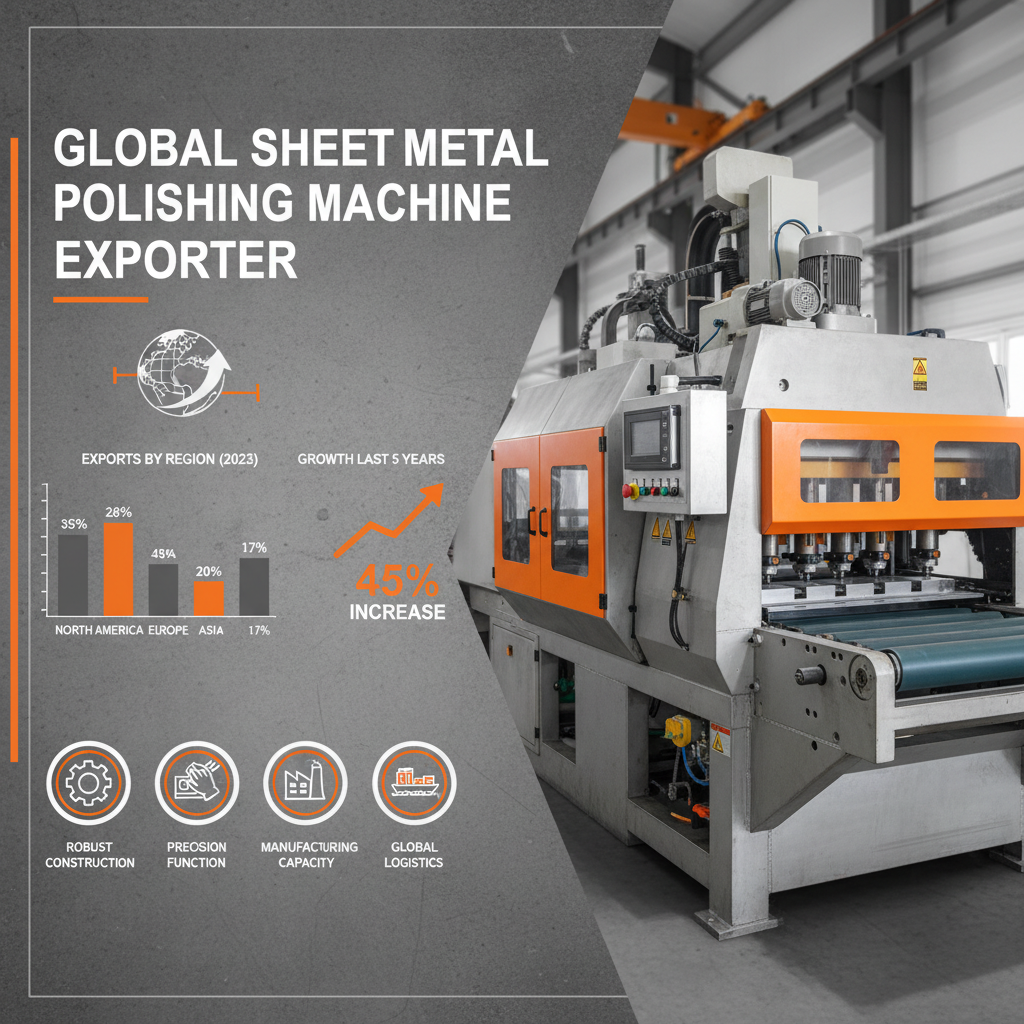
Understanding key specifications is crucial for making an informed decision. Consider the motor power (kW), polishing wheel/belt speed (RPM/m/s), maximum workpiece dimensions (mm), and overall machine dimensions (mm). The voltage and frequency requirements must also match your facility's electrical system. Review the machine's safety features, such as emergency stop buttons and safety guards. Xielizz provides detailed specifications for each model.
Conclusion: Partnering for Polishing Success
Choosing the right sheet metal polishing machine exporter is a strategic decision that significantly impacts your production efficiency and product quality. By carefully considering your needs, evaluating potential exporters, and understanding key machine specifications, you can secure a long-term partnership that drives success. Don't compromise on quality or support – invest in a solution that will deliver exceptional results.
Frequently Asked Questions (FAQs)
What are the typical lead times for ordering a sheet metal polishing machine?
Lead times can vary depending on the machine's complexity, customization requirements, and the exporter’s current production schedule. Typically, standard machines have a lead time of 4-8 weeks, while customized machines may require 8-12 weeks or longer. It's crucial to discuss lead times upfront with the exporter and factor them into your production planning. Xielizz is known for efficient processing and clear communication on delivery timelines.
What kind of after-sales service can I expect?
Reputable exporters offer comprehensive after-sales service, including technical support, spare parts availability, machine maintenance services, and potentially on-site training. The level of support can vary, so it's essential to clarify the details during the negotiation process. Look for exporters who provide remote troubleshooting assistance and have a readily available inventory of spare parts.
How do I handle potential import duties and taxes?
Import duties and taxes vary depending on your country's regulations. It’s your responsibility to understand and comply with these requirements. The exporter can provide the necessary documentation, such as invoices and packing lists, to facilitate the import process. You may need to work with a customs broker to handle the clearance procedures. Factor these costs into your overall budget.
For More Details Pls Contact Us
Fiberglass Reinforced Plastic (FRP), also known as fiber-reinforced plastic, is a composite material widely used across various industries.