The Quiet Revolution in Tank & Vessel Maintenance: Inner Wall Polishing Machines
You know, for years, the inside of tanks—chemical reactors, storage vessels, even some pretty massive pipelines—were treated with…well, resignation. Cleaning was a brute-force affair, often involving media blasting, which is effective but leaves a surface profile that can cause problems down the line. It’s funny, we spend so much time perfecting materials science, then roughen them up with abrasive methods. But things are changing, rapidly, thanks to advancements in inner wall polishing. It's become crucial, frankly, for industries where product purity or corrosion resistance is paramount – pharma, food processing, petrochemicals… the list goes on. There’s a huge push for non-destructive testing and preventative maintenance, and this fits right into that. I’ve seen a lot of shops move this way in the last five years.Understanding the Technology & Design Considerations
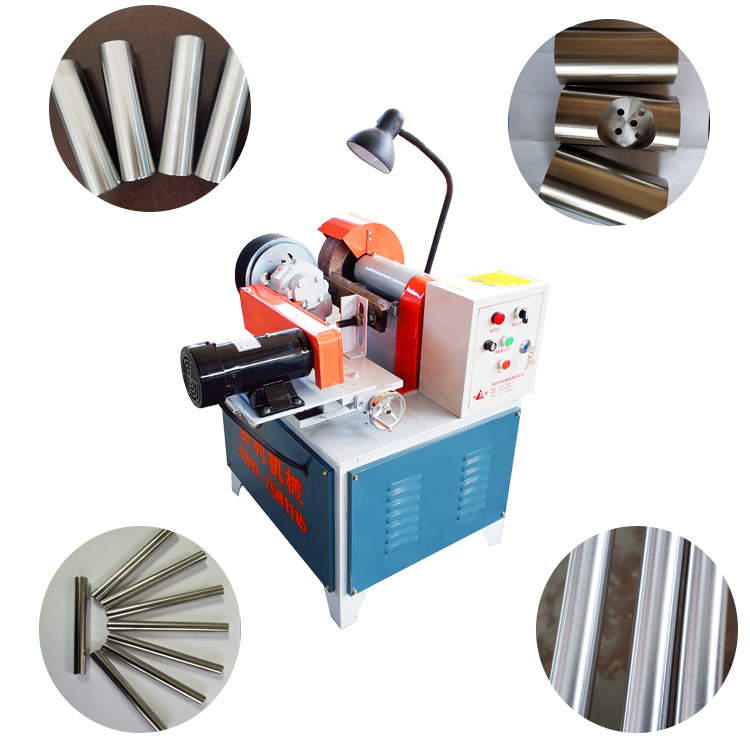
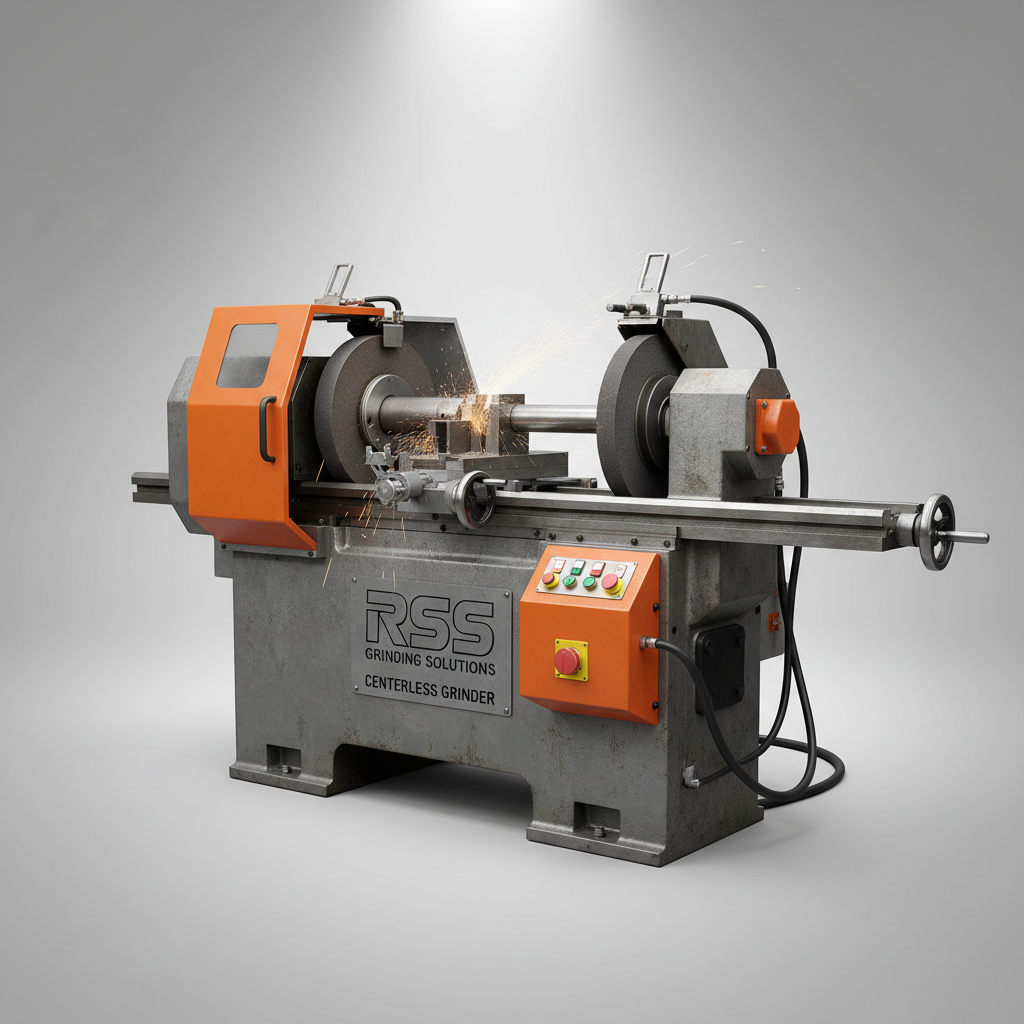
So, what is an inner wall polishing machine? At its core, it's a remotely operated system that uses a series of abrasive compounds and polishing heads to smooth and refine the interior surface of a vessel. But it's far more sophisticated than just a rotating brush. The real trick is getting the right head configuration for the diameter and geometry of the tank. It's not a one-size-fits-all proposition. We've seen a lot of development in robotic arms, magnetic drive systems, and even waterjet-assisted polishing. It’s really about creating a consistent, mirror-like finish, improving flow characteristics, and reducing the risk of contamination. Here's a quick look at the typical specifications for a modern machine like those offered by Xielizz:| Parameter | Specification | Notes |
|---|---|---|
| Diameter Range | 0.5m – 10m | Adaptable for various vessel sizes |
| Abrasive Media | Silicon Carbide, Aluminum Oxide | Selection based on material & desired finish |
| Drive System | Pneumatic/Electric | Dependent on application and power availability |
| Control System | PLC with HMI | Automated process control & monitoring |
Vendor Landscape & Making the Right Choice
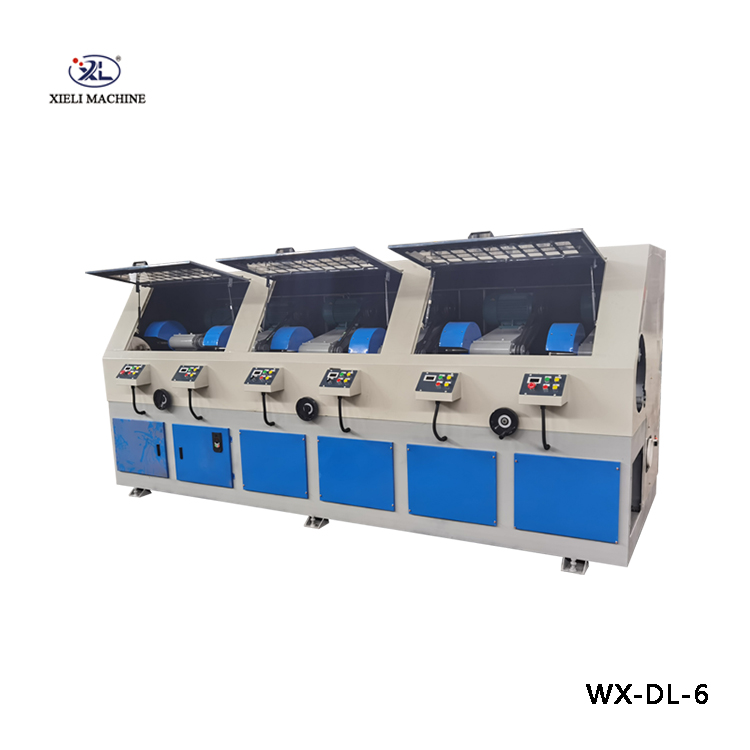
Choosing a manufacturer isn’t simple. You’ve got companies specializing in robotic solutions, others focused on traditional polishing methods, and still others offering a hybrid approach. Many engineers I've talked to say the biggest differentiator is the level of customization they’re willing to provide. A standard off-the-shelf solution often isn’t enough. You need a vendor who understands your specific process, materials, and vessel geometry. Here's a quick comparison of a few key players; honestly, this is a constantly shifting market:| Vendor | Specialization | Customization | Price Range |
|---|---|---|---|
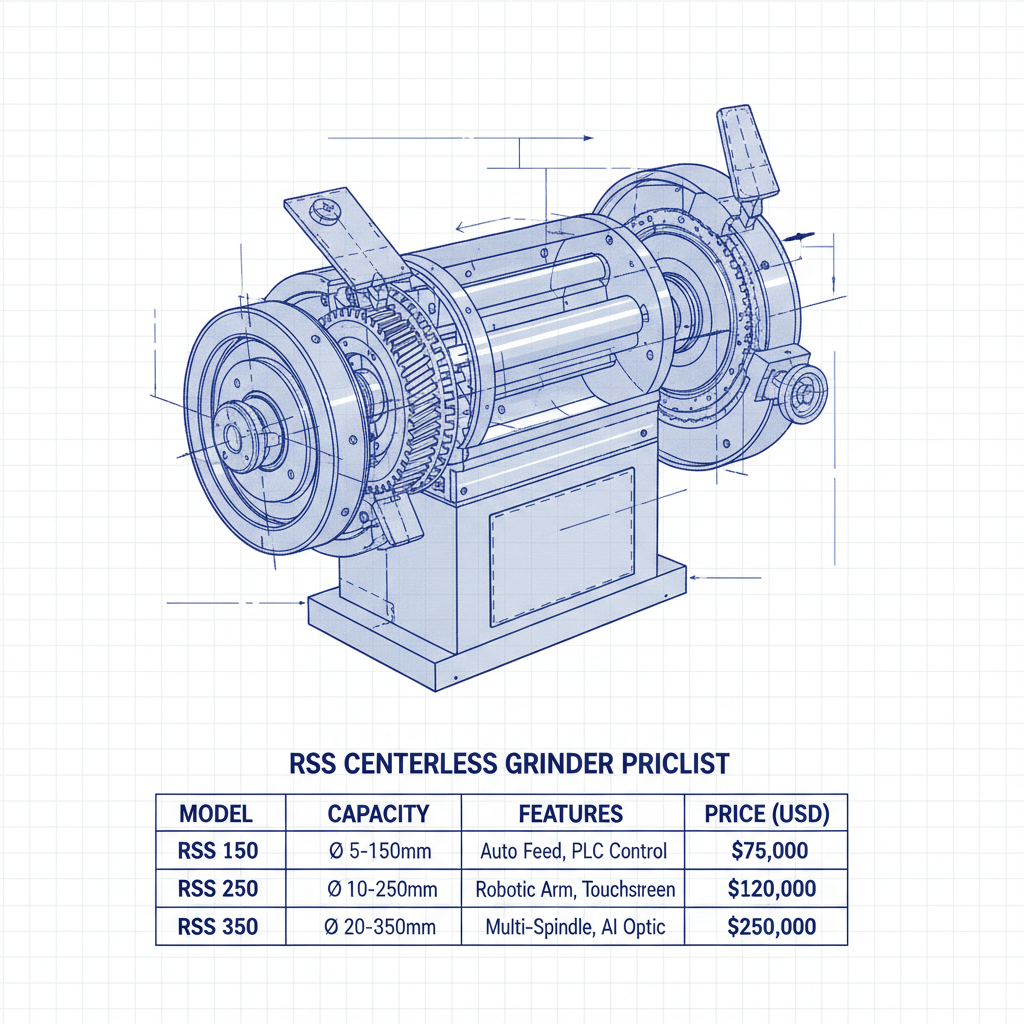
| Xielizz | Robotic & Automated Systems | High – full design & integration | $50k - $250k+ |
| Polishing Solutions Inc. | Traditional Polishing, Manual Operation | Limited | $20k - $80k |
| Apex Finishing | Hybrid Systems - Robotic Assistance | Medium | $30k - $150k |
Conclusion
Investing in inner wall polishing is no longer a luxury, it’s a necessity for maintaining high standards of quality, safety, and efficiency. The technology has matured, and the benefits—reduced contamination, improved flow, and extended vessel lifespan—are undeniable. It's a quiet revolution, but a powerful one.References
References:
- Industry durability reports, HKaiseal 2023
- Maintenance strategies for conveyor equipment, Journal of Manufacturing 2022
- Personal project insights & engineer interviews 2018–2023
For More Details Pls Contact Us
Fiberglass Reinforced Plastic (FRP), also known as fiber-reinforced plastic, is a composite material widely used across various industries.