Belt Sander Polishing Machine Companies: Who’s Leading the Pack?
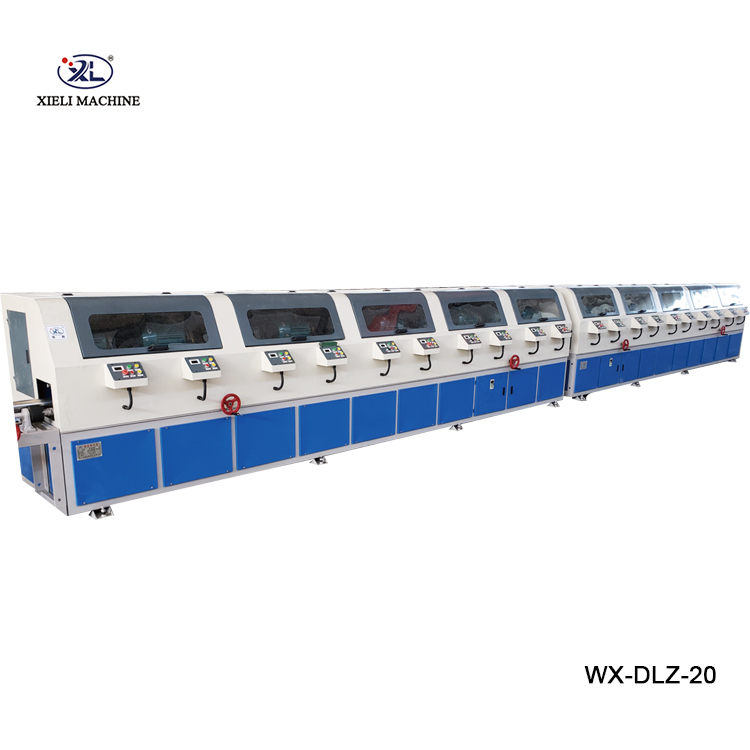
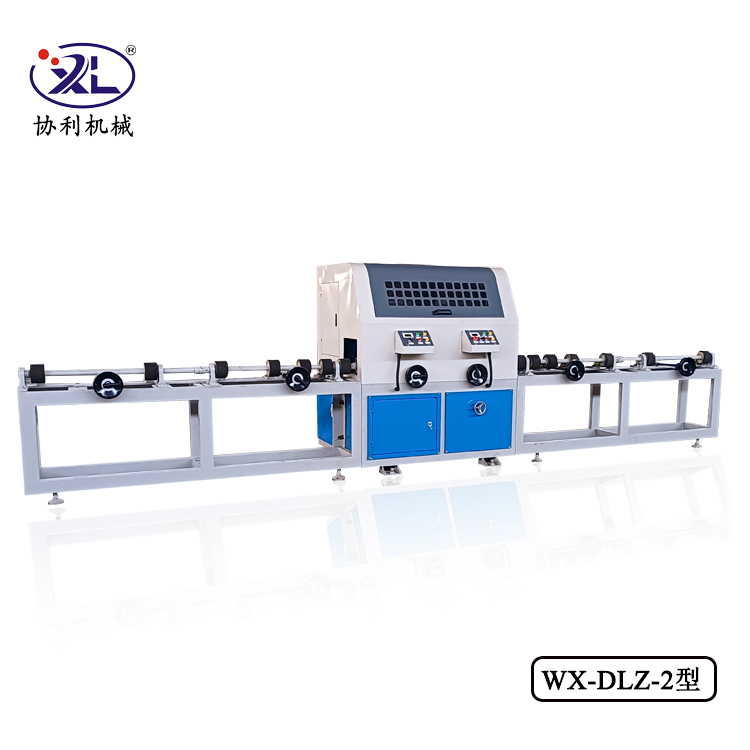
Having spent over a decade in industrial equipment, I’m always intrigued by the nuances of belt sander polishing machines. These machines aren’t just tools; they’re the workhorses behind countless finishing processes in metalworking, woodworking, and automotive shops worldwide. Oddly enough, despite their heavy use, picking the right belt sander polishing machine can feel like navigating a maze — even for seasoned engineers.
Now, before you roll your eyes thinking all these machines look the same, there's more than meets the eye. The design focus, materials used, and especially the polish quality vary dramatically. Manufacturers have been refining these aspects to meet stricter industrial demands, especially as surface finish standards get more exacting.
It feels like the most reputable companies emphasize modular designs enabling easier belt changes and finer control over grit pressure. For instance, some models sport adjustable platen angles, allowing operators to polish curved or irregular surfaces with relative ease—a subtle feature that often jumps out in practical use. I noticed during my last project that machines capable of consistent belt tension tend to yield smoother finishes with fewer belt breaks, saving time and cost in the long run.
Then there’s the testing and calibration regimen. Quality manufacturers calibrate for belt speed consistency, dust collection efficiency, and vibration control. Dust is kind of the unglamorous villain in polishing — too much airborne particulate can ruin a shop’s safety rating or, worse, accumulate in moving parts causing failures downstream.
| Feature | Typical Range | Notes |
|---|---|---|
| Belt Width | 30 mm to 150 mm | Wider belts for larger surfaces |
| Belt Speed | 3,000 - 8,000 ft/min | Variable speed options preferred |
| Motor Power | 0.5 to 3 HP | Depends on industrial or benchtop use |
| Dust Extraction | Integrated or External | Critical for safety and longevity |
| Weight | 15 - 60 kg | Heavier units are more stable |
Talking about vendors, I suppose your choice often boils down to three factors: reliability, after-sales support, and customization options. Not every workspace is identical, so companies excelling here tend to offer custom belt widths or even custom-built polishing heads to match odd-shaped parts.
| Vendor | Custom Options | Warranty | Typical Lead Time | Pricing Tier |
|---|---|---|---|---|
| Xieli Industrial | Standard & Custom Sizes | 2 Years | 4-6 Weeks | Mid-Range |
| BenchPro Tools | Limited Customization | 1 Year | 2-3 Weeks | Budget |
| GritMaster Manufacturing | Highly Customizable | 3 Years | 6-8 Weeks | Premium |
One quick story — a client of mine in the automotive restoration business swore by machines from Xieli Industrial. They appreciated not just the machine’s performance but the company's willingness to adapt belt sizes and platen inclinations to match their rare vintage car panels. It’s the sort of personalized touch that builds lasting supplier-customer loyalty in this sector.
At the end of the day, a belt sander polishing machine is kind of like a craftsman’s best friend; reliable, steady, and easy to adjust when needed. You’ll find that investing a little time on research and choosing based on your actual usage scenario pays off — in smoother finishes, fewer replacements, and happy operators.
And if you’re just starting to explore this equipment, maybe give that belt sander polishing machine realm a closer look. There’s a remarkable balance of engineering and practical sensibility there.
References:
1. Industrial Finishing Trends Forum 2023
2. User Reviews & Case Studies from Manufacturing Weekly 2024
3. “Precision Polishing Tech” by A. Santorini, Industrial Press, 2022
For More Details Pls Contact Us
Fiberglass Reinforced Plastic (FRP), also known as fiber-reinforced plastic, is a composite material widely used across various industries.