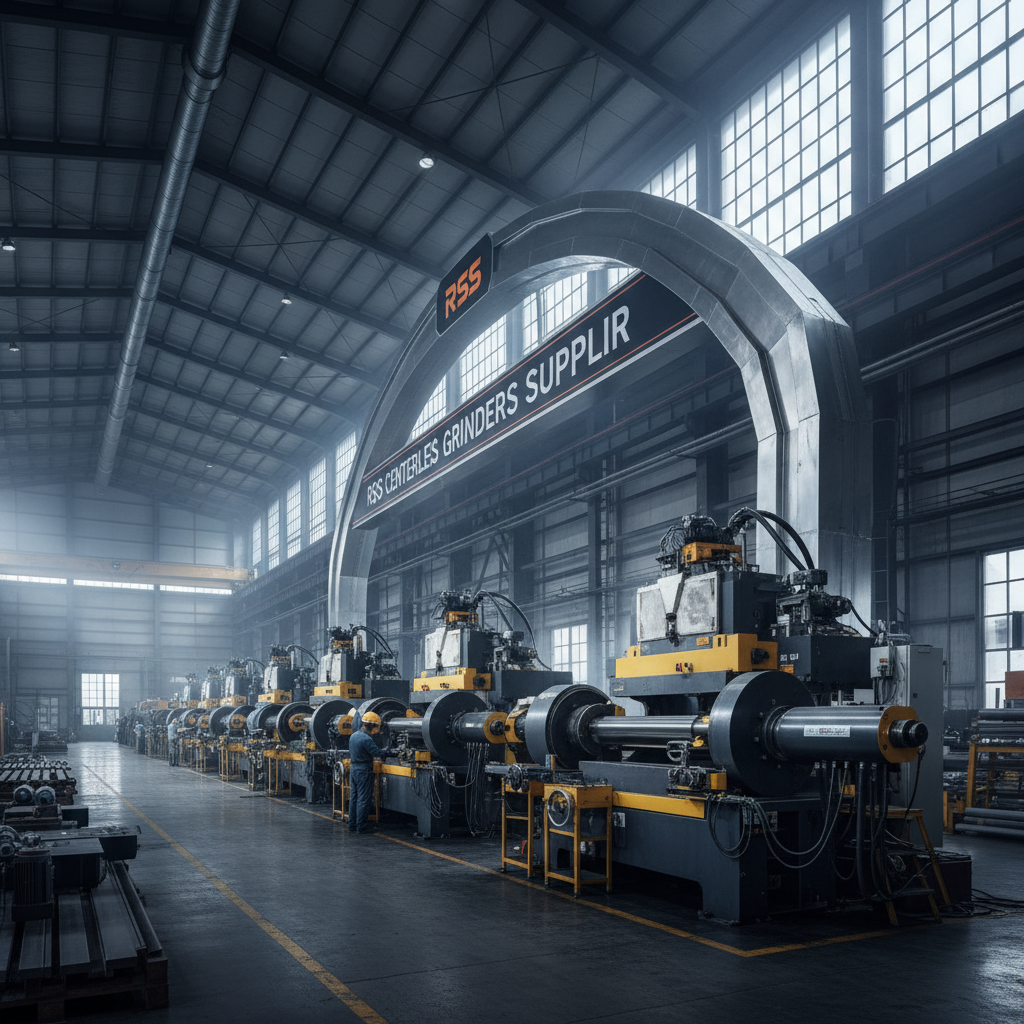
Understanding the Internal Centerless Grinding Machine: Why It Matters Today
The internal centerless grinding machine—that mouthful of a phrase—might not be something you encounter every day. But in industries where precision machining is the backbone—think aerospace, automotive, or medical devices—its role is quietly vital. Globally, as manufacturing grows more sophisticated and quality demands tighten, these machines help deliver components with micron-level accuracy, boosting product reliability and performance.
Given the push for manufacturing optimization worldwide, understanding internal centerless grinding machines offers insights into efficiency gains, cost reductions, and technological innovation shaping modern industry. Whether it’s making tiny bearing parts in Germany or polishing complex automotive components in China, these machines are quietly powering our global supply lines.
Global Context: The Surging Demand for Precision Grinding
According to the International Organization for Standardization (ISO), advancements in surface finishing and grinding processes impact nearly every manufacture sector. The global grinding machine market was valued around USD 7 billion in recent years and is forecasted to grow steadily, driven by automotive and aerospace demands. United Nations trade data hints at increased export activities in precision components, pointing to the wider adoption of centerless grinding technologies worldwide.
However, as tolerances shrink and product complexity grows, traditional grinding methods face challenges: speed, accuracy, and cost-effectiveness can all suffer. This is exactly the problem internal centerless grinding machines seek to address, offering a streamlined approach to grinding hard-to-reach internal surfaces without the need for cumbersome setups.
What Exactly Is an Internal Centerless Grinding Machine?
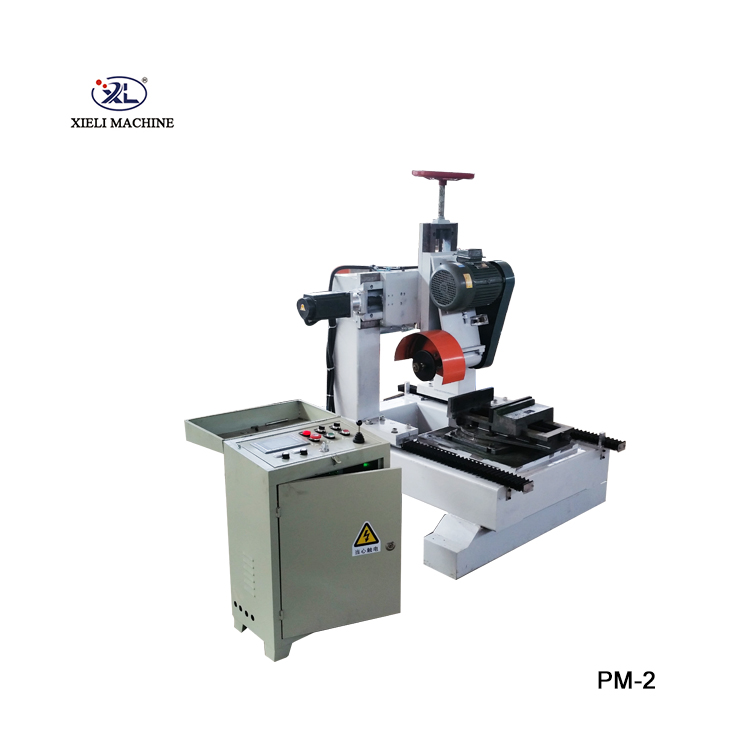
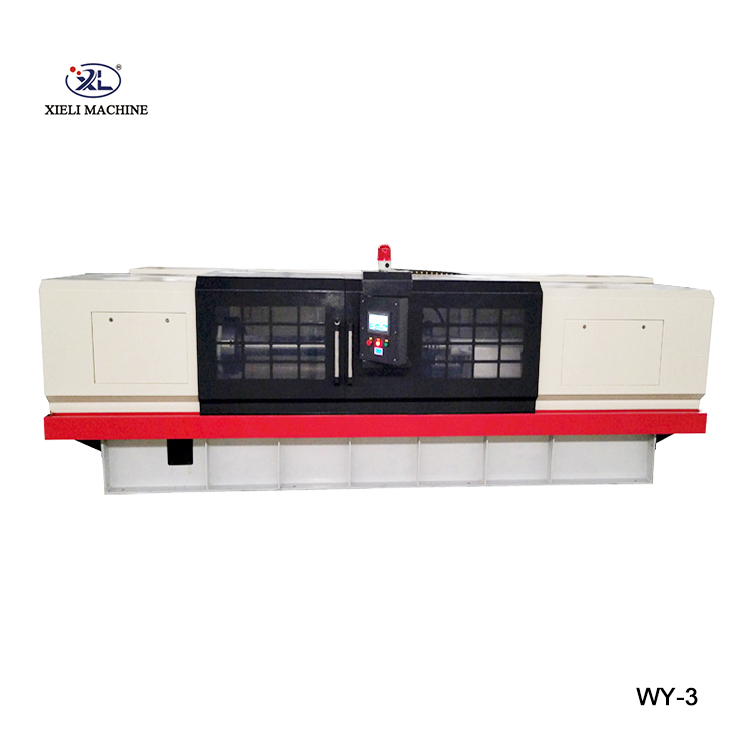
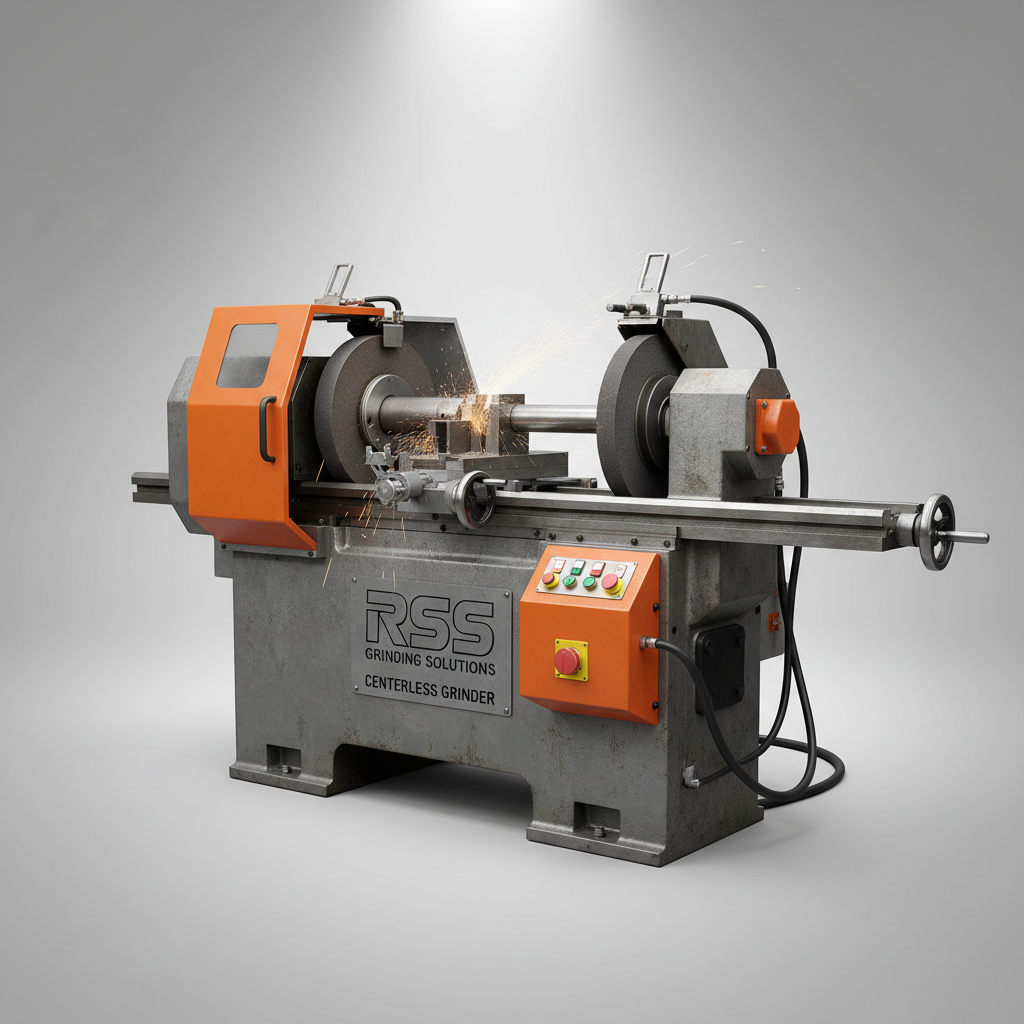
Put simply, unlike conventional grinding where a workpiece is held between centers or by a chuck, an internal centerless grinding machine operates by supporting the piece on a rest blade while it’s sandwiched between a grinding wheel and a regulating wheel. This setup allows for the grinding of internal surfaces—think bores, inner diameters, or curved interiors—without the need to hold the workpiece the usual way.
In modern industry, this means parts with complex internal geometries can be machined quickly and repeatedly with high precision. For humanitarian and development contexts—for instance, producing reliable medical devices for remote clinics—this machining approach can be crucial for quality and affordability.
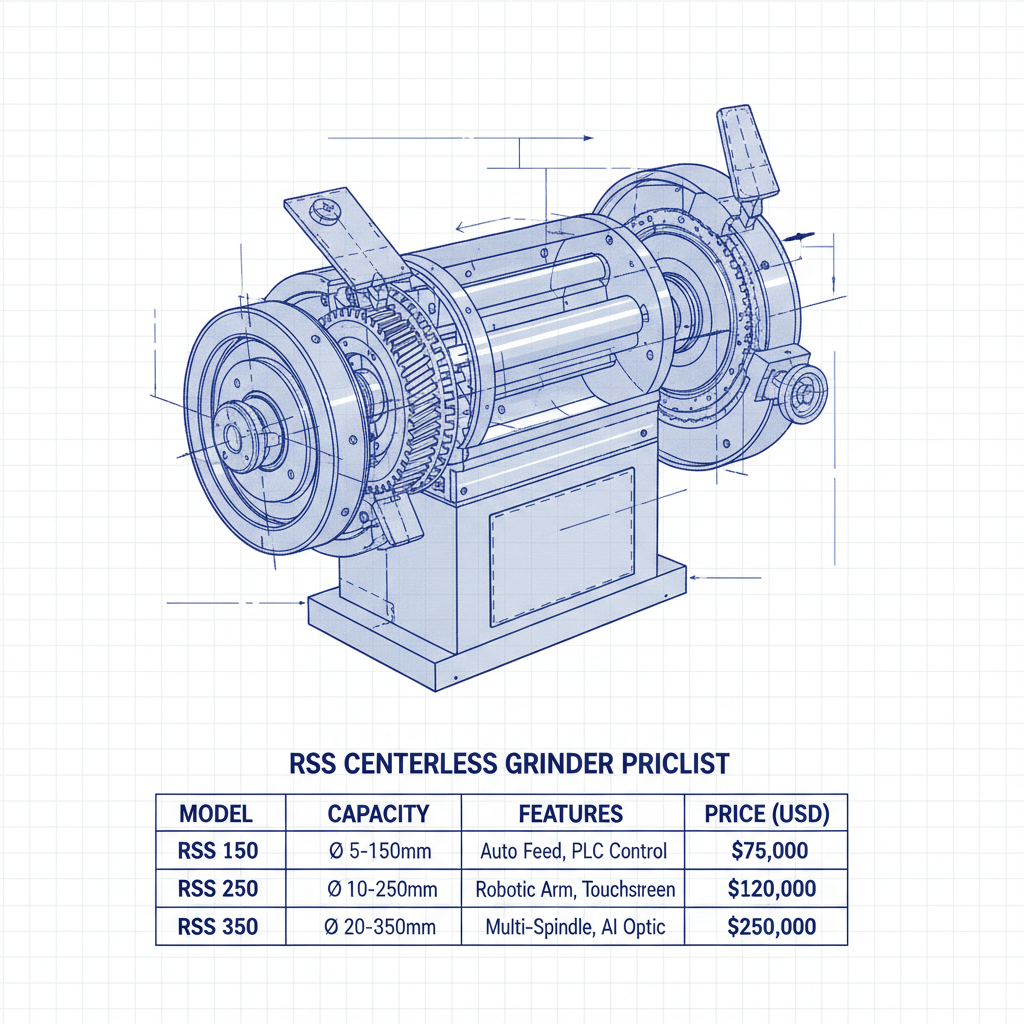
Core Components That Define an Internal Centerless Grinding Machine
1. Precision Grinding Wheel
The heart and soul of the operation is the grinding wheel itself. Its quality, material, and balance directly affect the finish and accuracy of internal surfaces. Many engineers swear by materials like cubic boron nitride (CBN) or diamond-embedded wheels when durability and sharpness matter most.
2. Regulating Wheel
This slightly softer but crucial wheel controls the rotation and feed rate of the workpiece. Together with the grinding wheel, it sets the speed and pressure, ensuring consistent grinding without overheating or vibrations.
3. Rest Blade
The rest blade supports the workpiece and positions it just right for the grinding wheels. Its adjustable nature allows for grinding parts with varying lengths and diameters, a feature that makes the machine flexible for multiple applications.
4. Machine Frame and Drive System
Sturdiness here is imperative. A robust frame dampens vibrations, while reliable motors deliver consistent wheel speeds. Some modern systems employ servo-driven regulating wheels for ultra-precise control.
5. Automation & Control Interface
Increasingly, these machines feature CNC or PLC controllers that help fine-tune operations, monitor temperature, and automate cycles for better repeatability and less operator fatigue.
Mini takeaway: The internal centerless grinding machine isn’t just a tool; it’s a fine-tuned system combining precision components to tackle one of manufacturing’s trickier challenges: grinding complex inner surfaces without sacrificing speed or quality.
Where Are Internal Centerless Grinding Machines Making a Difference?
Industries spanning automotive, aerospace, medical equipment, and even electronics extensively rely on this grinding approach. For example, in Germany's automotive hubs, these machines produce bearing races and transmission components with exacting tolerances. In South Korea and Japan, they support high-volume semiconductor manufacturing requiring flawless internal dimensions.
Moreover, some NGOs producing medical implants and tools for clinics in Africa or Southeast Asia have turned toward localized production using machines like these—ensuring devices that are not only affordable but reliable and easy to reproduce.
Interestingly, remote industrial zones with limited factory space find internal centerless grinders useful because they take up less room, require fewer fixtures, and yet maintain flexible machining capabilities.
Advantages That Make These Machines a Staple
- Cost Efficiency: Less setup time and minimal workholding translate into lower labor costs and faster throughput.
- Precision: Achieving tolerances often within microns means higher-quality final products that reduce waste.
- Sustainability: Reduced tooling and scrap support eco-friendlier manufacturing cycles.
- Reliability: Consistent performance builds trust with OEMs and downstream customers.
- Versatility: Accommodates multiple part types and sizes, making it a flexible investment.
Internal Centerless Grinding Machine: Technical Specifications at a Glance
| Specification | Typical Range / Value | Remarks |
|---|---|---|
| Grinding Wheel Diameter | 200 mm to 500 mm | Dependent on machine model |
| Max Workpiece Diameter | 5 mm to 100 mm | Varies per manufacturer |
| Spindle Speed | 1000 to 6000 RPM | Adjustable |
| Machine Dimensions | 1200 x 700 x 1200 mm | Approximate footprint |
| Control Type | Manual / CNC / PLC | Varies by model |
Comparing Leading Vendors in Internal Centerless Grinding Machines
| Vendor | Key Features | Price Range (USD) | After-Sales Support |
|---|---|---|---|
| XieliZ Grinding Tech | High-precision CNC control, compact frame, customizable wheels | $50,000 – $120,000 | Global service, spare parts, training |
| PrecisionGrind Co. | Standardized modules, easy maintenance, PLC interface | $40,000 – $100,000 | Limited regional service |
| GlobalMach Solutions | Heavy duty design, automation-ready, extended warranties | $70,000 – $150,000 | Comprehensive global coverage |
Looking Ahead: Trends Driving the Future of Internal Centerless Grinding
Manufacturing is marching toward Industry 4.0, and internal centerless grinding machines aren’t immune to that shift. Expect tighter integration of IoT sensors for real-time wear monitoring, AI-optimized grinding cycles to reduce material waste, and even greener abrasives reducing environmental footprints.
Some vendors are experimenting with sustainable coolant systems and digital twin models that simulate grinding processes, minimizing trial runs and cutting down on downtime. As additive manufacturing grows, these grinders also adapt to finishing 3D-printed parts—another exciting frontier.
Common Challenges and Creative Solutions
Of course, these machines aren’t without challenges. The slightest imbalance can degrade part quality, and grinding internal features complicates coolant delivery and chip removal. Skilled operators are vital but increasingly rare—automation helps mitigate this.
Innovations like automatic dressing wheels that reform the grinding surface on-the-fly, improved filtration for coolant systems, and advanced clamping mechanisms solve problems that earlier operators only dreamed about. Many companies now view purchasing an internal centerless grinding machine not just as an equipment investment, but a complete workflow upgrade.
Frequently Asked Questions About Internal Centerless Grinding Machines
- What industries benefit most from internal centerless grinding?
- This technology excels where parts have complex internal geometries with tight tolerances—automotive, aerospace, medical device manufacturing, and electronics are primary sectors.
- How does internal centerless grinding compare with traditional internal grinding?
- Unlike traditional methods that hold the workpiece between centers, centerless setups require less fixture work, leading to faster cycle times and higher repeatability.
- Are these machines suitable for small-batch production?
- Absolutely. Thanks to quick setup and programmable controls, internal centerless grinding machines can efficiently handle both small and large batch runs.
- What kind of maintenance do these machines need?
- Regular wheel dressing, lubrication of moving parts, and coolant system upkeep are essential. Automated aids are making these tasks less labor-intensive than before.
Wrapping Up: Why Investing in Internal Centerless Grinding Machines Pays Off
In an era where manufacturing precision and efficiency translate into market leadership, internal centerless grinding machines stand out as an indispensable asset. They’re not just grinding tools—they’re enablers of innovation, quality, and productivity across continents. Whether you’re a component manufacturer upgrading your line or an industry newcomer looking to boost capabilities, these machines make a strong case.
Curious to explore specific models or get a quote? Visit internal centerless grinding machine for detailed info, expert guidance, and support tailored to your manufacturing needs.
References & Further Reading
For More Details Pls Contact Us
Fiberglass Reinforced Plastic (FRP), also known as fiber-reinforced plastic, is a composite material widely used across various industries.