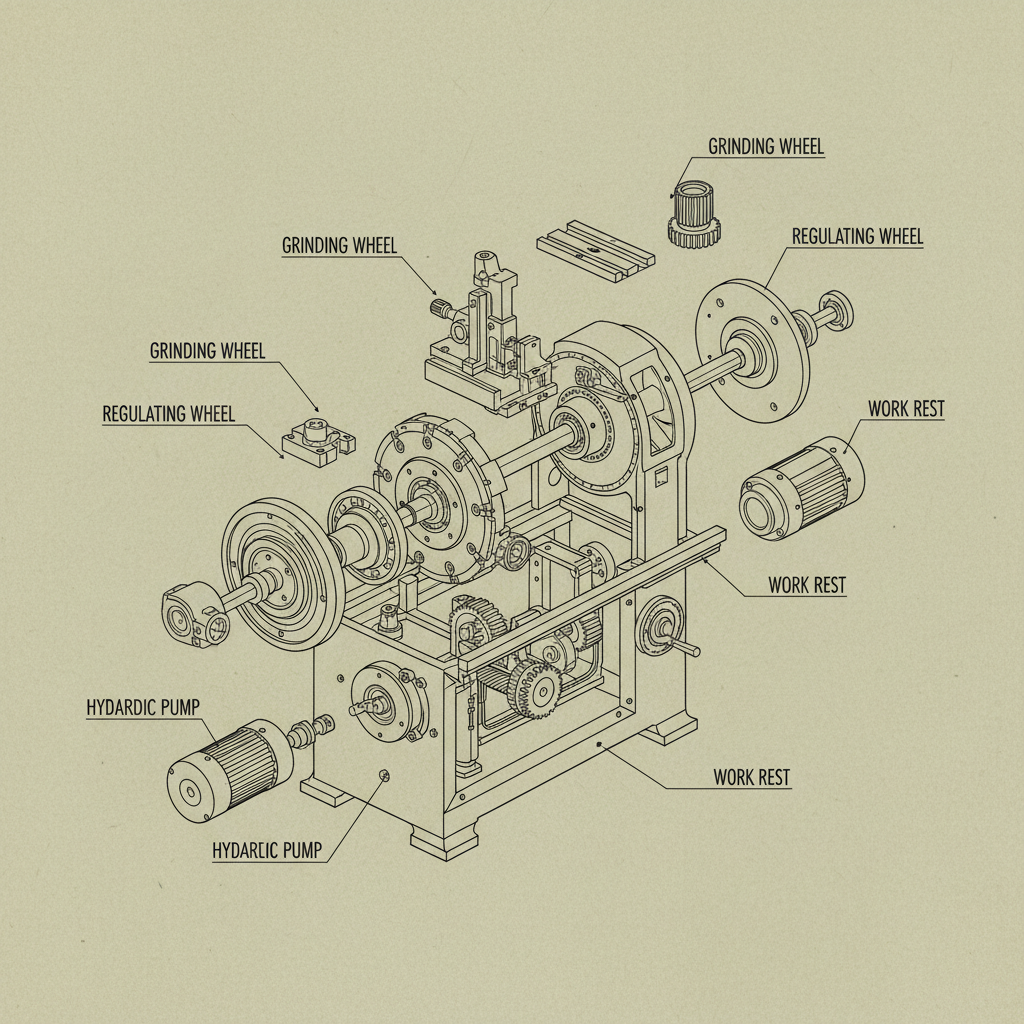
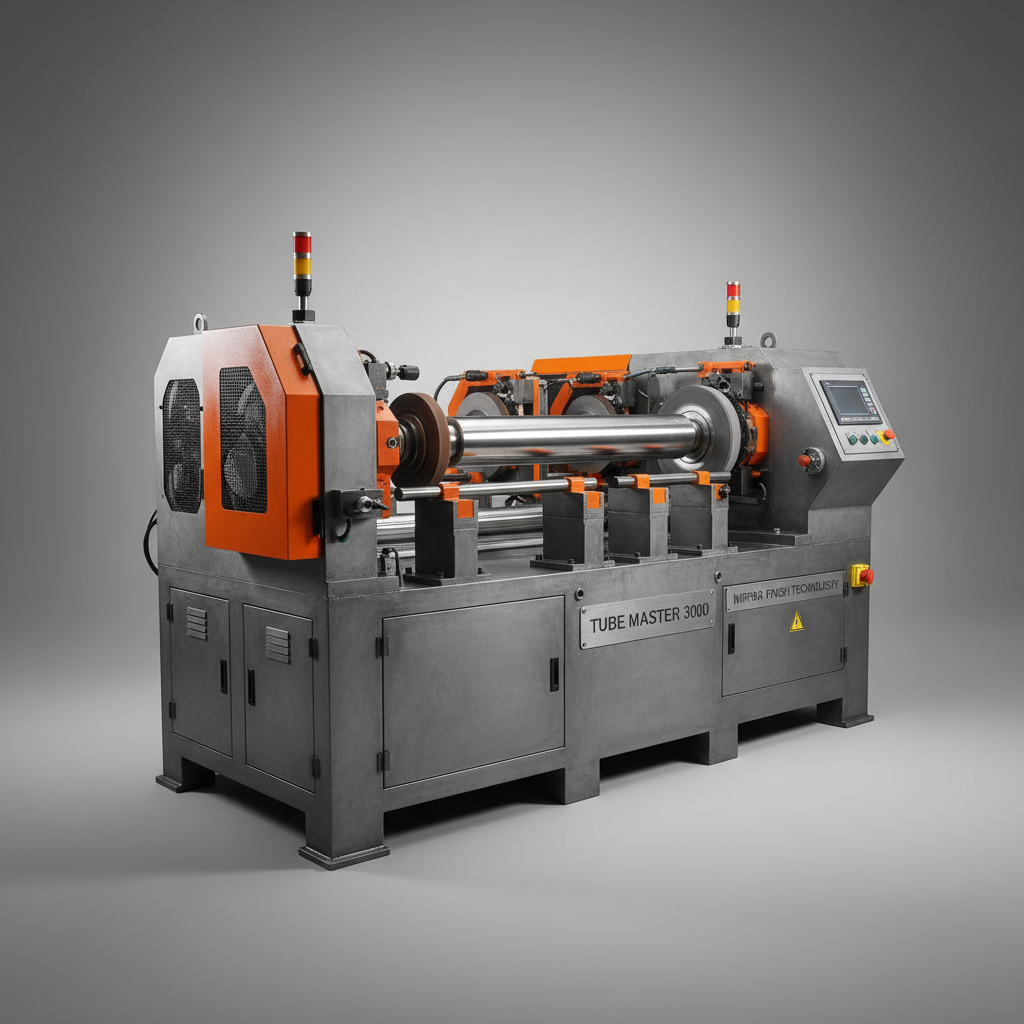
The precision and efficiency demanded in modern industrial processes often necessitate specialized equipment for achieving optimal surface finishes. Among these, the inner wall polishing machine stands out as a crucial tool for refining internal surfaces across a diverse range of applications. From ensuring the smooth flow of liquids in pipelines to enhancing the performance of hydraulic cylinders, the capabilities of these machines are increasingly vital for operational reliability and product quality. Understanding their principles, applications, and future trends is paramount for industries striving for excellence.
Globally, the need for high-precision surface finishing is driven by sectors like aerospace, automotive, pharmaceutical, and energy. The International Organization for Standardization (ISO) sets stringent standards for surface roughness and dimensional accuracy, often requiring specialized polishing techniques. Increasingly complex designs and the demand for lightweight materials further amplify the need for sophisticated inner wall polishing machine technologies. This demand fuels a growing market, projected to experience significant expansion in the coming years, particularly in emerging economies.
The challenge lies in consistently achieving these demanding standards while minimizing costs and environmental impact. Traditional polishing methods can be time-consuming, labor-intensive, and generate significant waste. Modern inner wall polishing machine solutions are addressing these issues through automation, optimized abrasive technologies, and improved process control.
The Core Principles of Inner Wall Polishing Machine
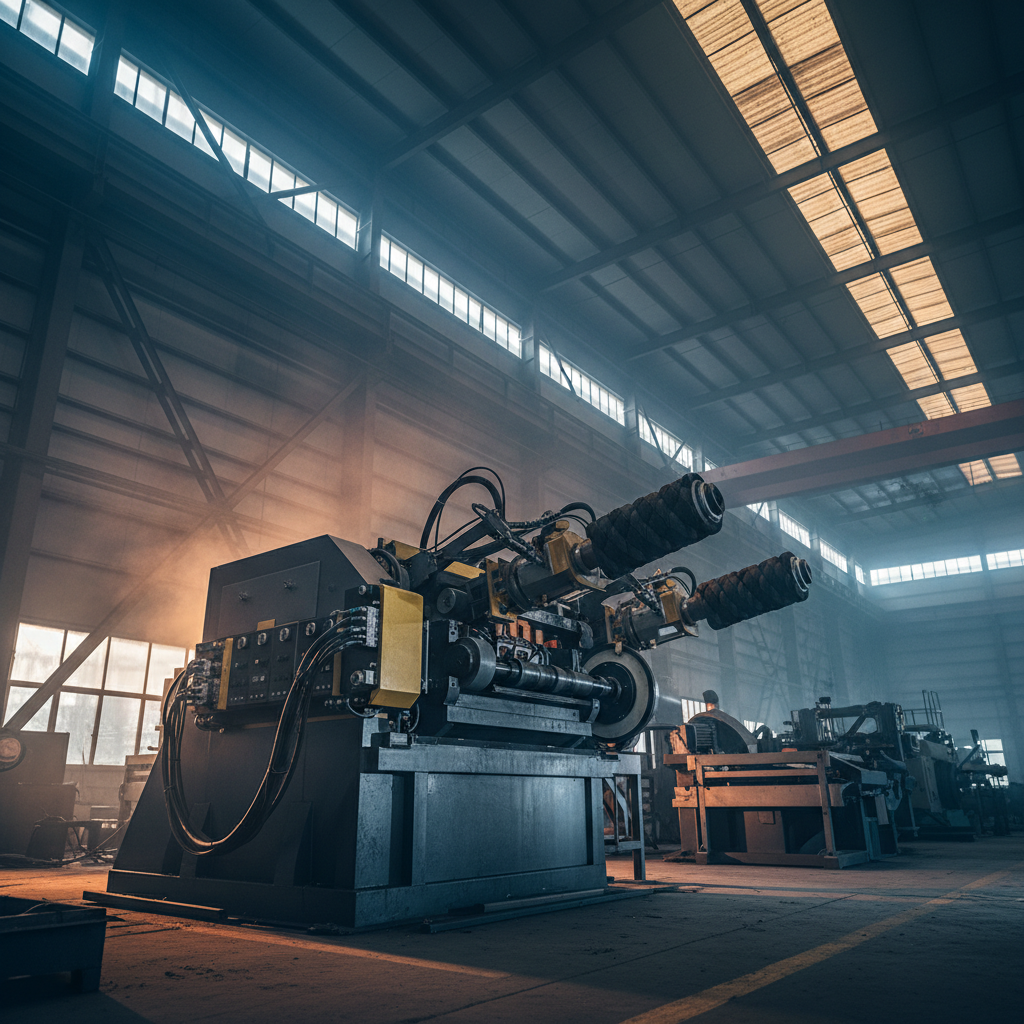
At its core, an inner wall polishing machine utilizes abrasive materials and controlled mechanical action to remove surface imperfections and achieve a desired level of smoothness. This process fundamentally relies on the principles of material removal, where microscopic particles of abrasive material are employed to gradually erode the inner surface. The efficiency and effectiveness depend on factors like abrasive grain size, machine speed, pressure applied, and the type of abrasive compound used.
The precision of modern machines extends beyond simple abrasion. Many incorporate sophisticated control systems to maintain consistent pressure, speed, and abrasive delivery, ensuring uniform polishing across the entire inner surface. Techniques like electropolishing and chemical polishing are sometimes integrated to enhance the process, particularly for materials sensitive to mechanical stress.
Defining Inner Wall Polishing Machine and Its Relevance
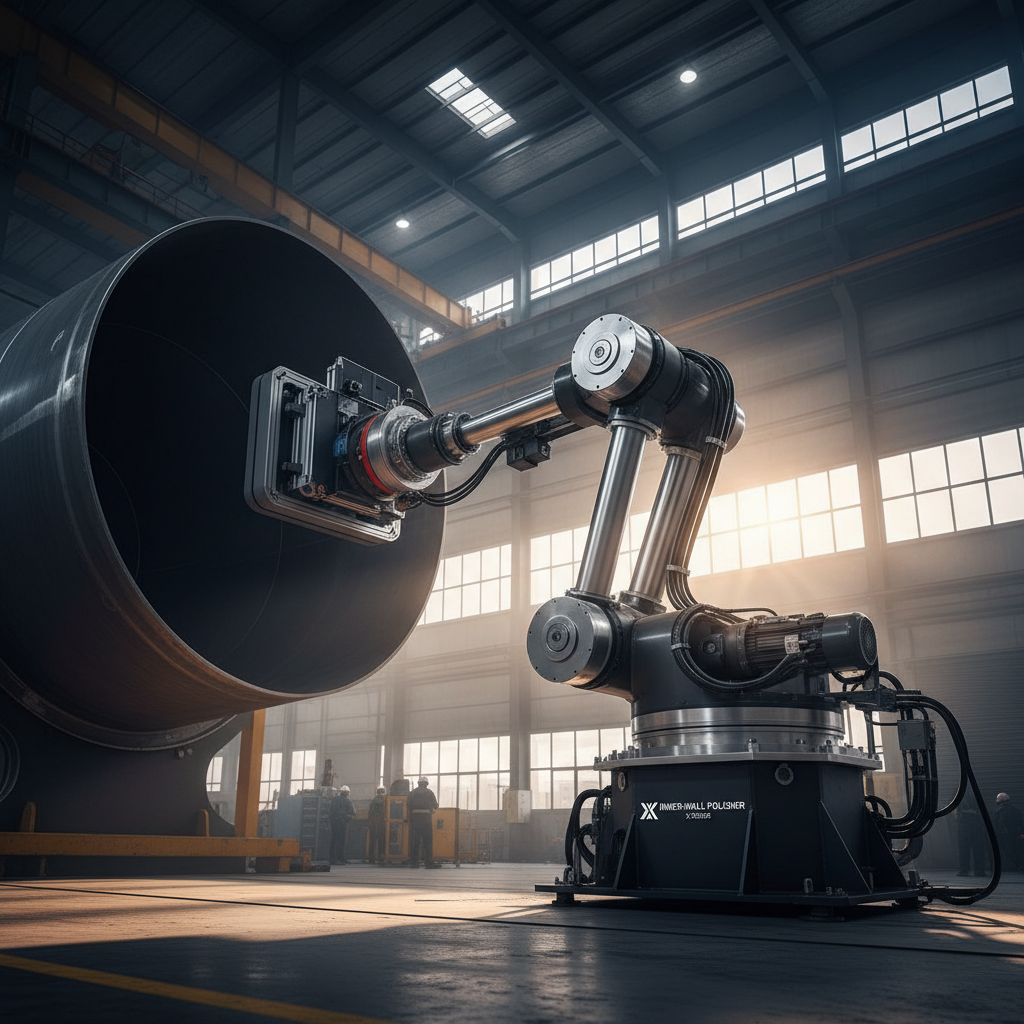
An inner wall polishing machine is a specialized tool designed to refine the internal surfaces of cylindrical components, such as pipes, tubes, cylinders, and bores. Unlike external polishing, which focuses on the outer surface, these machines access and treat the interior, removing imperfections like scratches, burrs, and material buildup. This is crucial for optimizing fluid flow, reducing friction, and enhancing component durability.
The relevance of this technology extends across numerous industries. In the oil and gas sector, polished inner walls of pipelines minimize friction loss and prevent corrosion. In hydraulic systems, precise polishing ensures smooth piston movement and extends cylinder lifespan. Pharmaceutical manufacturing relies on polished surfaces to maintain hygiene and prevent contamination.
The increasing demand for high-performance components and the need for greater operational efficiency are driving the adoption of inner wall polishing machine solutions. As material science advances and designs become more intricate, the ability to precisely control internal surface finishes becomes increasingly critical.
Key Factors Influencing Inner Wall Polishing Machine Performance
Several key factors directly influence the performance and effectiveness of an inner wall polishing machine. Abrasive selection is paramount; the type, grit size, and composition of the abrasive determine the rate of material removal and the final surface finish. Different materials require different abrasive types for optimal results.
Machine rigidity and stability are equally important. Vibration and deflection can lead to inconsistent polishing and surface defects. Robust construction and precise mechanics are crucial for maintaining accuracy. The control system’s sophistication – particularly its ability to regulate speed, pressure, and abrasive flow – also significantly impacts the quality and consistency of the polished surface.
Finally, the material being polished plays a role. Harder materials require more aggressive abrasives and longer polishing times. Understanding the material’s properties and selecting the appropriate polishing parameters are essential for achieving the desired results. The skill of the operator, while increasingly automated, also contributes to overall performance.
Global Applications and Diverse Use Cases
The applications of inner wall polishing machine are remarkably diverse, spanning across a multitude of industries. In the aerospace sector, these machines are used to polish the internal surfaces of fuel lines and hydraulic cylinders, ensuring optimal fluid flow and preventing corrosion. Automotive manufacturers utilize them to refine engine cylinders and transmission housings, improving efficiency and reducing wear.
Within the pharmaceutical industry, stringent hygiene standards necessitate the polishing of reactor vessels, storage tanks, and piping systems. Polished surfaces prevent bacterial adhesion and facilitate thorough cleaning. The food and beverage industry employs similar techniques to maintain sanitation and prevent contamination in processing equipment.
Geographically, demand is particularly strong in industrialized nations like Germany, Japan, and the United States. However, emerging economies in Asia, such as China and India, are experiencing rapid growth in demand due to their expanding manufacturing sectors and infrastructure development.
Inner Wall Polishing Machine Application Distribution
Advantages and Long-Term Value Proposition
Investing in an inner wall polishing machine delivers a compelling range of advantages beyond simply improving surface finish. Enhanced fluid flow translates directly into increased efficiency and reduced energy consumption in various applications. Lower friction minimizes wear and tear, extending the lifespan of critical components and reducing maintenance costs.
From a sustainability perspective, precise polishing can reduce the need for frequent component replacement, minimizing waste and conserving resources. Improved surface cleanliness enhances hygiene in sensitive industries like pharmaceuticals and food processing, safeguarding public health. Moreover, the automation capabilities of modern machines reduce labor costs and improve consistency.
Future Trends and Technological Innovations
The future of inner wall polishing machine technology is being shaped by several key trends. Automation and robotics are playing an increasingly significant role, enabling fully automated polishing processes with minimal human intervention. The integration of advanced sensors and real-time monitoring systems allows for precise process control and quality assurance.
Research into novel abrasive materials, including nano-abrasives and diamond-like coatings, promises to further enhance polishing performance and achieve even higher levels of surface finish. Sustainable polishing solutions, utilizing eco-friendly abrasives and minimizing waste generation, are also gaining traction.
Challenges and Innovative Solutions
Despite the advancements, challenges remain in the field of inner wall polishing machine technology. Accessing and polishing complex geometries can be difficult, particularly in components with tight bends or intricate internal structures. Maintaining consistent pressure and abrasive distribution across the entire surface can also be a challenge.
Innovative solutions are emerging to address these issues. Flexible polishing tools, designed to navigate complex shapes, are being developed. Advanced control algorithms are being implemented to dynamically adjust pressure and abrasive flow based on real-time feedback from sensors. The use of robotic arms with specialized polishing heads is also gaining popularity.
Furthermore, ongoing research into alternative polishing techniques, such as electrochemical polishing and laser polishing, holds promise for overcoming the limitations of traditional methods and achieving unprecedented levels of precision.
Summary of Challenges and Solutions in Inner Wall Polishing Machine Technology
| Challenge |
Impact on Polishing Quality |
Proposed Solution |
Implementation Cost (1-10) |
| Complex Geometries |
Uneven polishing, accessibility issues |
Flexible polishing tools |
6 |
| Pressure Distribution |
Inconsistent surface finish |
Advanced control algorithms |
7 |
| Abrasive Waste |
Environmental impact, increased costs |
Recycling/Reuse systems |
5 |
| Material Compatibility |
Surface damage, ineffective polishing |
Optimized abrasive selection |
4 |
| Manual Operation |
Inconsistency, labor costs |
Robotic integration |
8 |
| Quality Control |
Delayed defect detection |
Real-time monitoring systems |
7 |
FAQS
Inner wall polishing machines find widespread application across diverse industries, including aerospace, automotive, pharmaceutical, oil & gas, food & beverage, and power generation. These sectors require precise internal surface finishes to ensure fluid flow, reduce friction, maintain hygiene, and enhance component reliability. The pharmaceutical and food industries are particularly stringent due to their regulatory requirements for cleanliness and sanitation.
The abrasive material significantly influences the polishing process. Grain size dictates the material removal rate and surface finish; finer grains yield smoother finishes but remove material slower. Abrasive composition impacts compatibility with different materials – for example, diamond abrasives are effective for hard materials, while aluminum oxide is suitable for softer ones. Proper abrasive selection is crucial for optimizing efficiency and achieving the desired surface quality.
Regular maintenance is vital for ensuring optimal performance and longevity. This includes cleaning and lubricating moving parts, inspecting and replacing worn components (like polishing belts and brushes), and monitoring the abrasive supply system. Regular calibration of control systems is also essential. Following the manufacturer's recommendations and establishing a preventative maintenance schedule are key practices.
Safety is paramount when operating an inner wall polishing machine. Operators should always wear appropriate personal protective equipment (PPE), including eye protection, gloves, and respirators. Machines should be equipped with safety guards and emergency stop mechanisms. Proper training on machine operation and safety procedures is crucial. Regular inspections for potential hazards should also be conducted.
Emerging trends include increased automation through robotics, the integration of advanced sensors for real-time process monitoring, and the development of more sustainable and eco-friendly abrasive materials. Furthermore, the use of laser and electrochemical polishing techniques is gaining traction, offering potential advantages in terms of precision and efficiency. Digitalization and remote control systems are also becoming more prevalent.
The ROI varies depending on the specific application and the extent of automation. However, benefits like reduced scrap rates, extended component lifespan, increased production efficiency, and lower labor costs typically lead to a significant return. In many cases, the investment can be recouped within 12-24 months. A thorough cost-benefit analysis, considering all relevant factors, is recommended.
Conclusion
In conclusion, the inner wall polishing machine represents a critical technology for achieving high-precision surface finishes in a multitude of industries. Its ability to enhance efficiency, extend component lifespan, and improve product quality makes it an indispensable tool for modern manufacturing and processing. From aerospace to pharmaceuticals, the benefits are tangible and far-reaching.
Looking ahead, the continued innovation in automation, abrasive materials, and process control promises to further enhance the capabilities of these machines. Investing in this technology is not merely about improving surface finish; it’s about investing in operational excellence, sustainability, and long-term competitive advantage. To learn more about how an inner wall polishing machine can benefit your operation, visit our website: www.xielizz.com