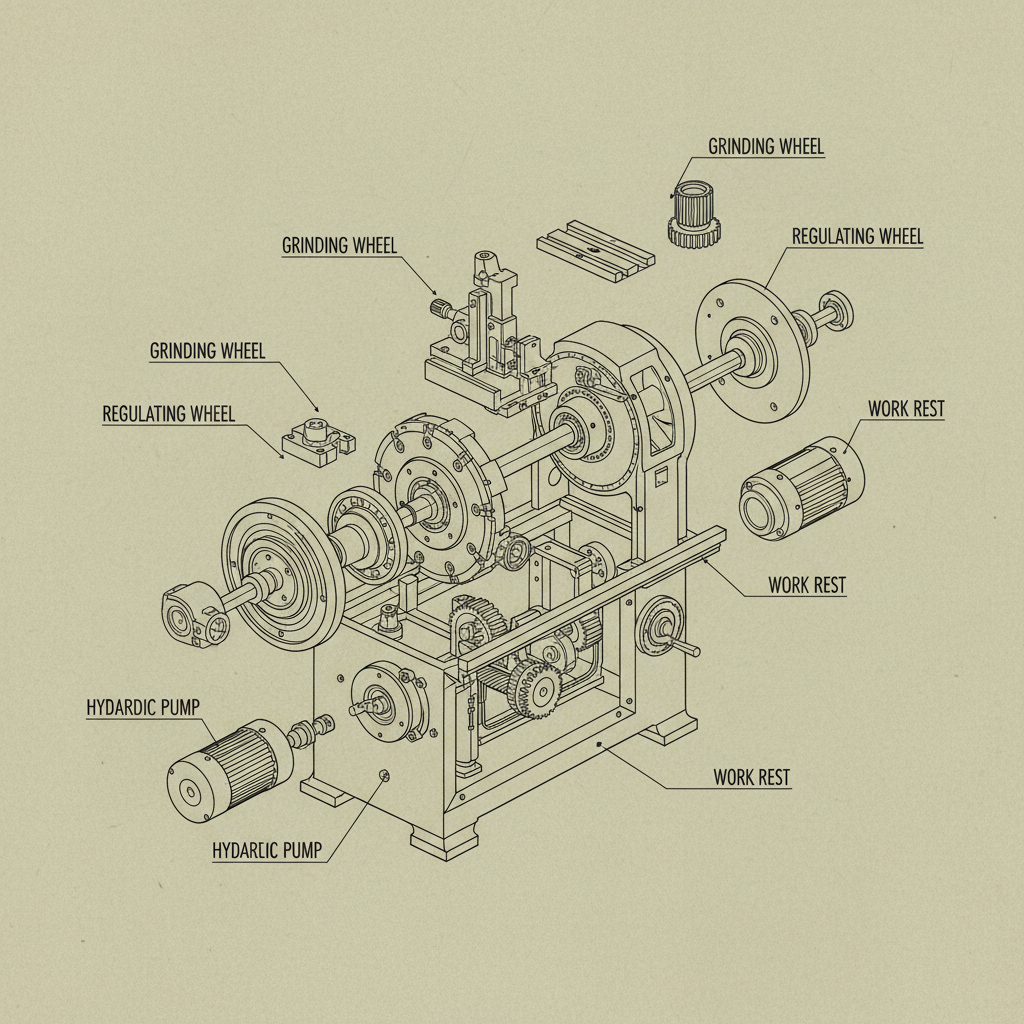
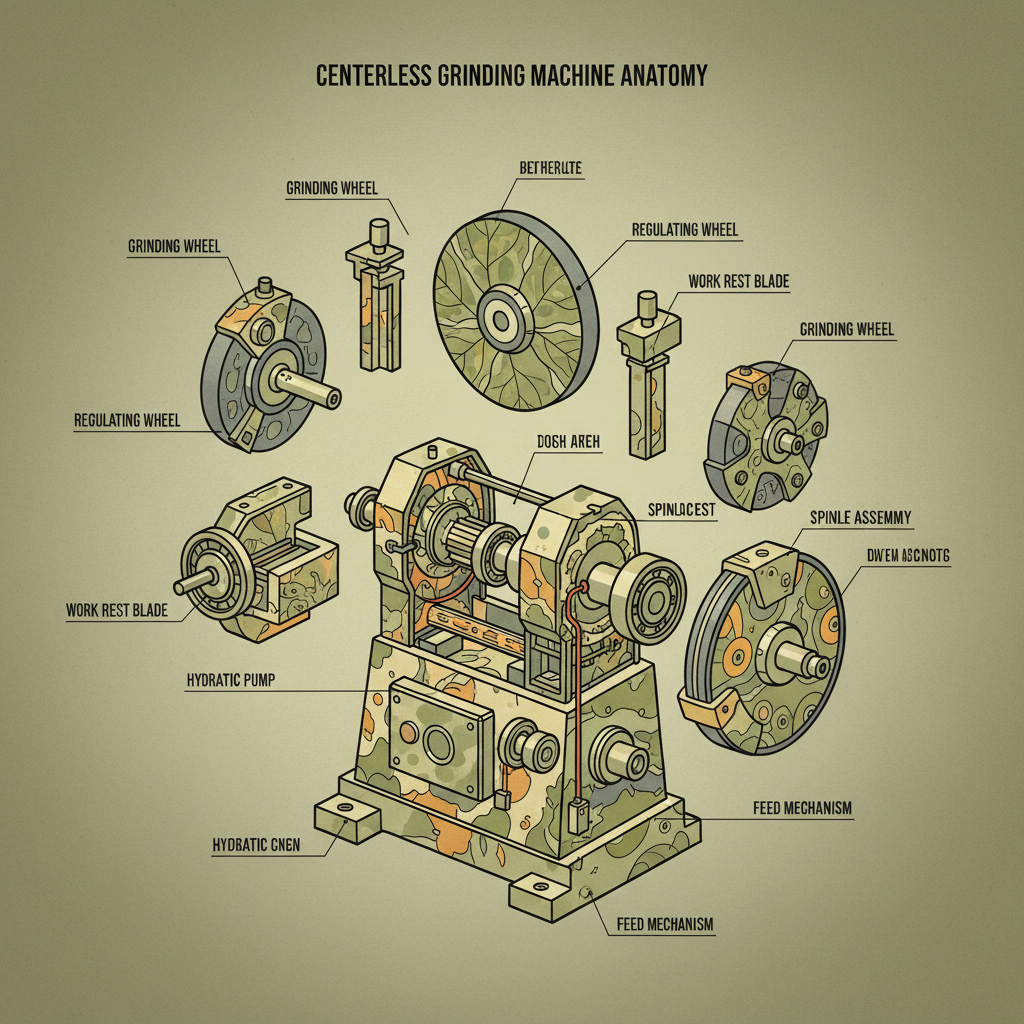
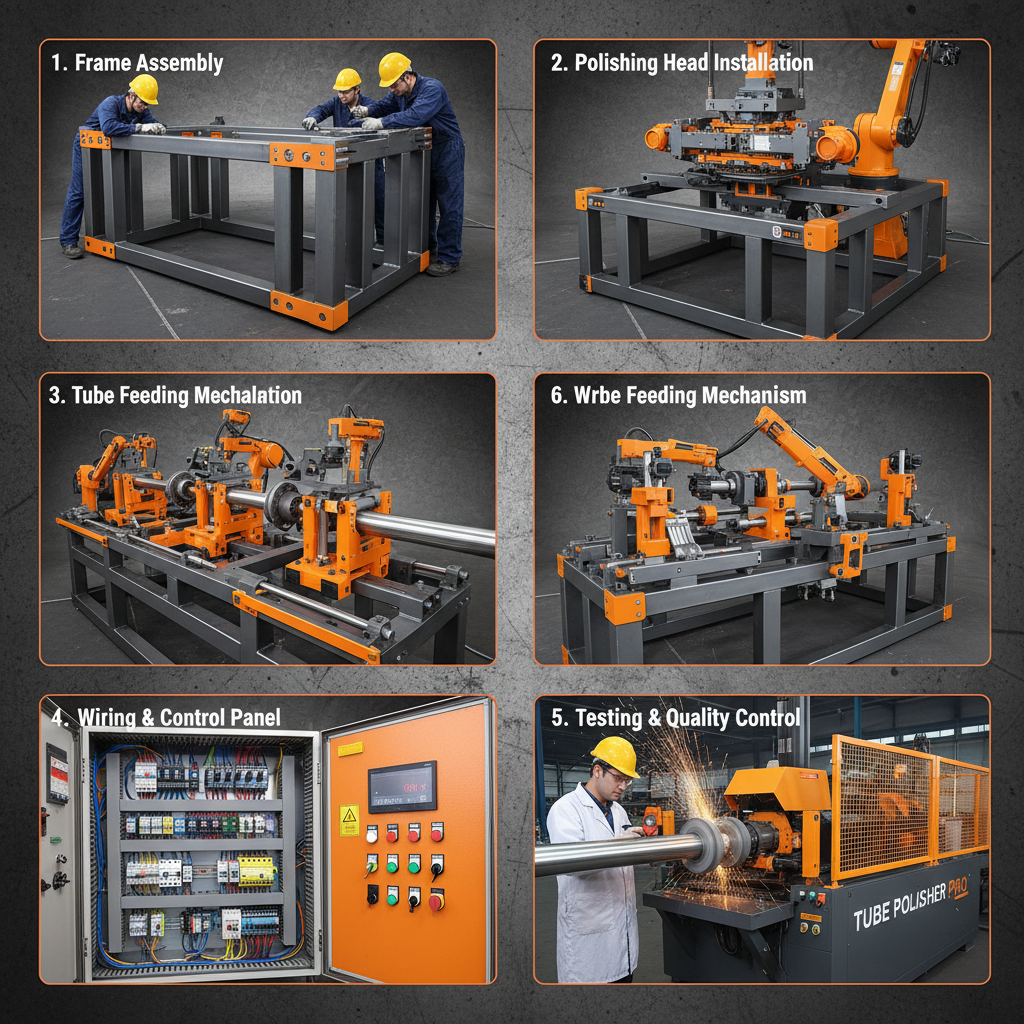
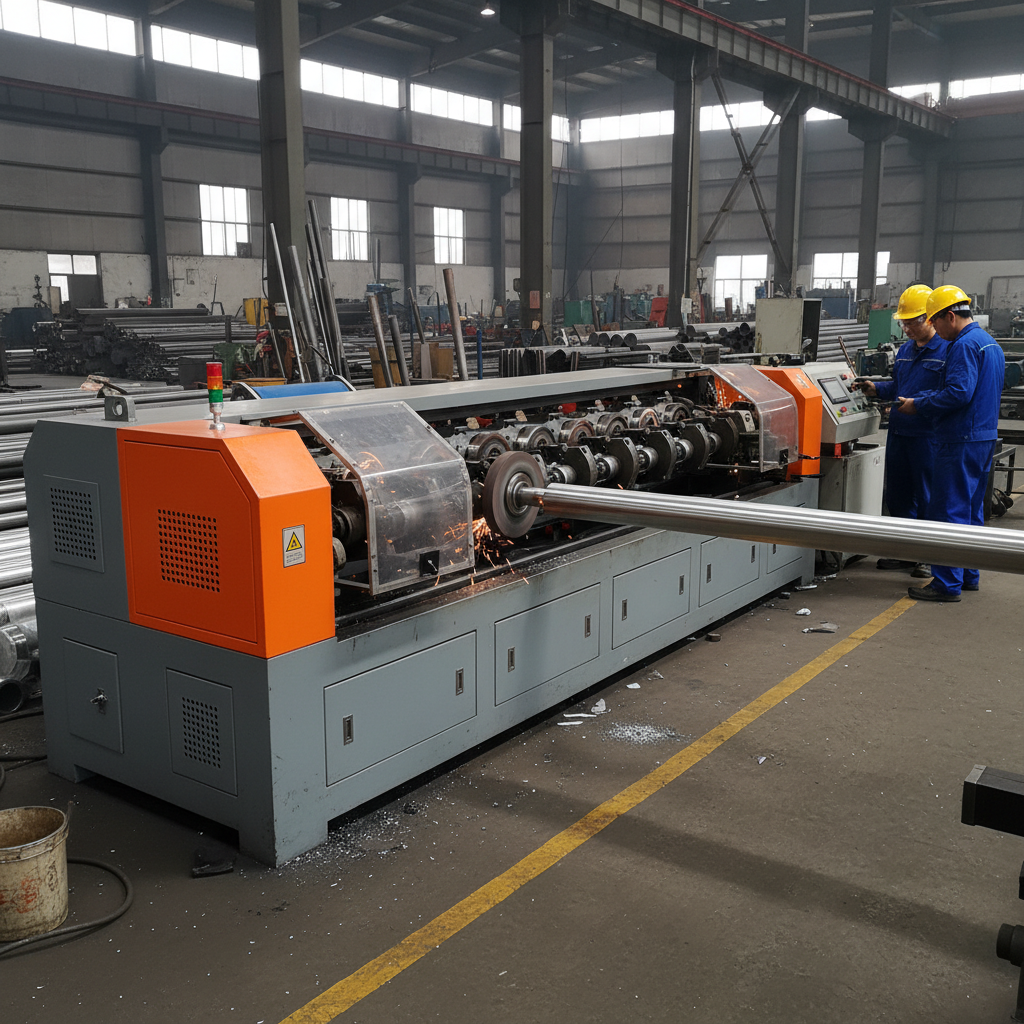
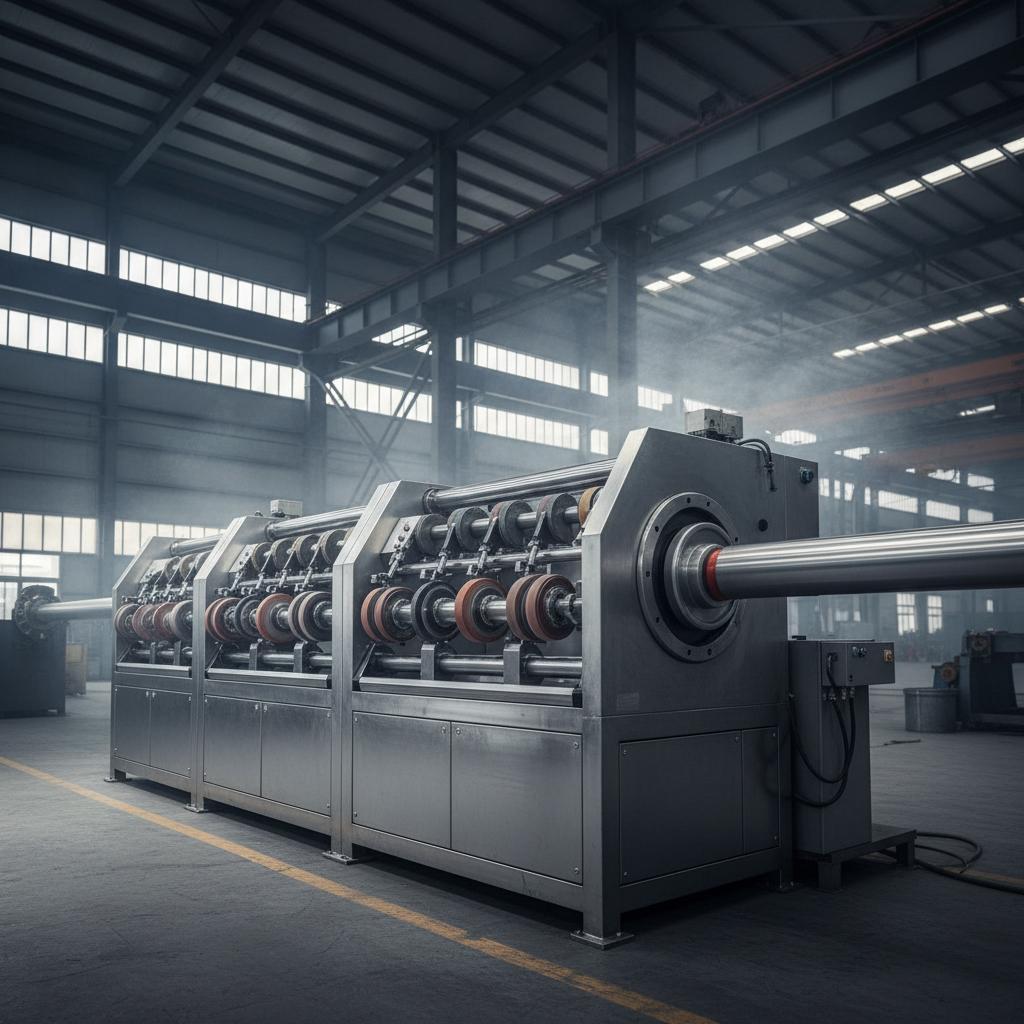
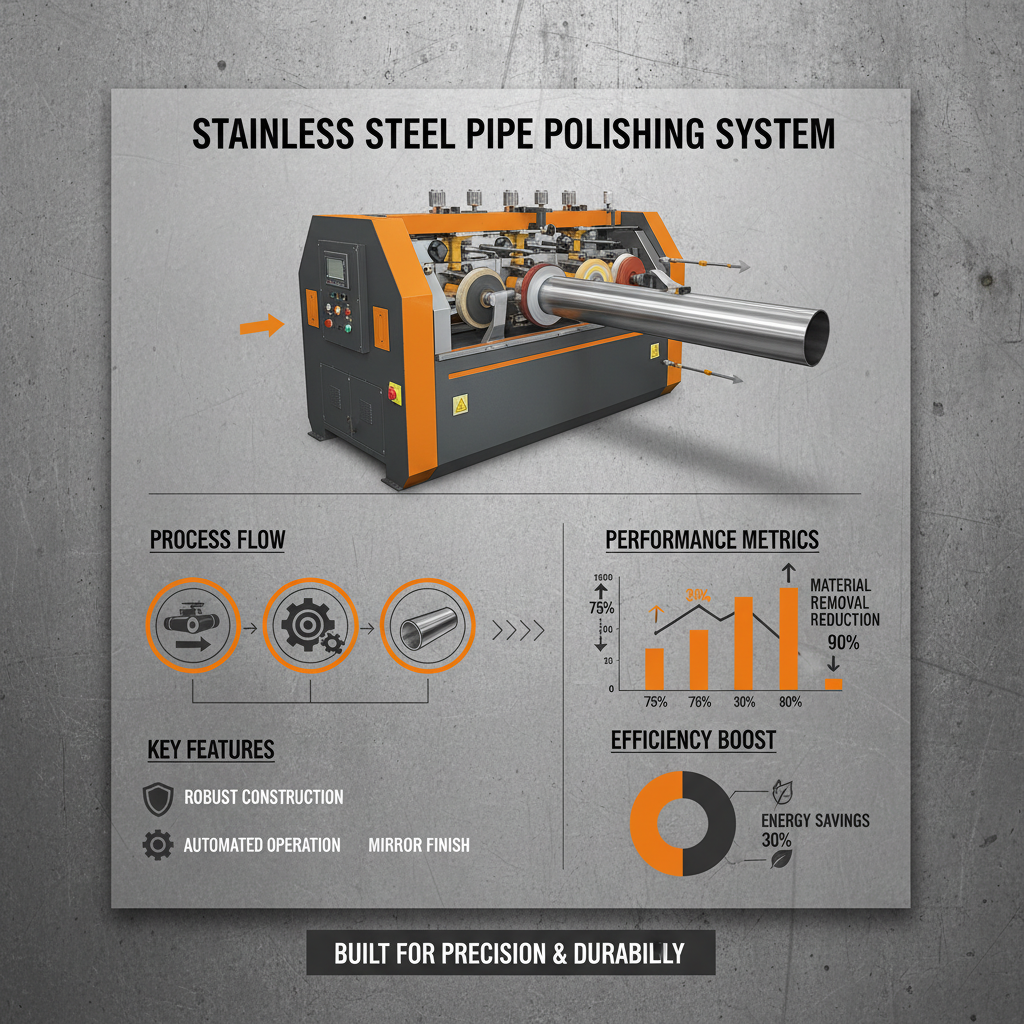
You know, honestly, the whole centerless grinding machine game… it's been buzzing lately. Everyone's chasing higher precision, faster cycle times. Seems like every factory I visit, they're upgrading something. It's not just about the big guys anymore, either. Even the smaller shops are realizing that a good centerless grind can make or break their product. And it's not a trend, really. It’s just…well, it's about finally catching up to what the market demands.
I’ve spent, honestly, way too many hours watching guys wrestle with setups. The biggest mistake I see? Thinking tolerances are looser than they are. They get all confident, bump up the feed rate, and suddenly you've got a part that's out of spec. Have you noticed that? It’s always the feed rate. Always. Then they're scrambling, adjusting wheel profiles... it's a mess. And another thing - the coolant. People skimp on the coolant, and then wonder why their wheels are wearing out faster than a pair of work boots.
The materials… that's a whole other story. We’re talking about everything from basic carbon steels to Inconel, titanium… even some of the weird nickel alloys. The feel of each one is different, you know? Steel's cold, predictable. Titanium... it's almost springy. And the smell when you're grinding Inconel? Metallic, sharp. You can taste it almost. Handling those super alloys, you gotta wear the right gloves, the right respirator. No joke. And the abrasive grains? Silicon carbide, aluminum oxide, diamond… each one leaves a different finish, a different tone when it’s cutting. It’s like listening to music, almost.
Industry Trends and Common Pitfalls
To be honest, it's all about automation now. Everyone wants to throw robots at the problem. Which, fine. But I encountered this at a factory in Germany last time, a beautiful machine, all bells and whistles, but they hadn't bothered to train the operators on how to maintain it. It sat there, a fancy paperweight. Strangely, they thought the robots would fix themselves. Anyway, I think the human element is still crucial, especially for complex parts.
And the designs… they’re getting more complicated. More curves, more tight tolerances. It's pushing the limits of what these machines can do. I saw a blueprint the other day that I thought was a joke. I asked the engineer if he was sure about those dimensions, and he just shrugged. Later…forget it, I won’t mention it.
Materials and Handling
We're grinding everything these days. Tool steels, stainless steels, you name it. The new high-speed steels are a pain, though – they work harden so fast. You gotta keep the coolant flowing, the wheel dressed, everything dialed in just right. And speaking of coolant, the synthetic stuff is good for the environment, but it doesn't have the same lubricating properties as the oil-based stuff. It's a trade-off.
There's also a lot of talk about ceramic materials, the silicon nitrides and aluminum oxides. They’re tough, but brittle. You can't just hammer on them. Gotta be gentle. The trick is to take light cuts, keep the surface speed down. And don’t even get me started on trying to grind tungsten carbide… that stuff's a nightmare.
And the handling? You gotta be careful. Some of these materials generate dust that's really bad for your lungs. So, proper ventilation, respirators, gloves... it's not optional. I’ve seen guys working without protection, and honestly, it scares me. They think they’re tough, but they’re playing with fire.
Testing and Real-World Application
Lab tests are fine, but they don't tell you the whole story. You need to see how these parts perform in the real world. I’ve been to factories where they put the ground parts through stress tests, fatigue tests, all sorts of things. It’s good to see, but it's not always practical. More often, you're relying on dimensional checks, surface finish measurements, and a good visual inspection.
The biggest test is always the assembly. If the part doesn't fit, it doesn't matter how pretty it looks. Have you noticed that? I’ve seen so many projects delayed because of a bad grind. A couple of microns off, and the whole thing grinds to a halt (pun intended!).
And the applications are everywhere. Automotive, aerospace, medical devices… I was at a bearing manufacturer last week, and they're using centerless grinding to achieve incredibly tight tolerances on their inner races. It’s demanding work, but it's essential for the performance of those bearings.
Advantages and Customization
The big advantage of centerless grinding, obviously, is its versatility. You can grind round parts, oddly shaped parts, parts with complex features. It's much more flexible than a traditional surface grinder. And you can achieve incredibly tight tolerances.
But it's not perfect. It’s slower for high-volume production, for one thing. And setting it up can be tricky. It takes a skilled operator to get it right. But you can customize things, too. We had a customer who needed to grind a series of pins with a specific taper. We modified the wheel angle and the feed rate to achieve the desired result. It took some tweaking, but we got it done.
Centerless Grinding Machine Performance Metrics
User Behavior & Unexpected Uses
You'd be surprised how people use these machines. I once saw a guy using a centerless grinder to polish antique silverware. Silverware! He said it gave him the perfect finish. And another time, a customer was using it to deburr medical implants. It’s not what they were designed for, but it worked. I guess that's the beauty of it – it's adaptable.
But a lot of users don't really understand the nuances. They just want a part ground to a certain dimension, and they don't care about the surface finish, the residual stress, or any of the other details. That's where we come in, trying to educate them, explain the importance of those things.
Customer Story: The Shenzhen Smart Home Boss
Last month, that small boss in Shenzhen who makes smart home devices insisted on changing the interface to . Said it was “the future”. Okay, fine. But the pins for the connector needed a super precise grind, a real tight tolerance. He wanted to save money, so he bought a cheap centerless grinding machine, figured he could do it himself.
Well, the parts he produced were way out of spec. The connectors wouldn't fit, the devices wouldn't work. He ended up losing a big contract, and had to come crawling back to us. It cost him more in the long run to try and save a few bucks. I told him, “Sometimes, you gotta pay for quality.” He wasn’t happy about it, but he learned a lesson.
It was a small story, but I see it happen all the time. People underestimate the importance of a good grind. They think it's just a simple operation, but it's not. It's a science, an art, and a whole lot of experience.
Performance Metrics Breakdown
Trying to quantify the performance of centerless grinding... it’s tricky. It’s not just about speed or accuracy. It’s about the overall cost-effectiveness, the reliability of the process, the ability to handle different materials. But here’s a rough breakdown, based on what I’ve seen on the shop floor.
You see these numbers are just rough estimates, and it depends on the machine, the operator, the material, and a whole host of other factors. But it gives you a general idea of what to expect. We always tell our customers to run their own tests, to see what works best for their specific application.
And honestly, these metrics, they aren’t always what matter. Some customers value speed, others value precision, and still others value cost. It’s about finding the right balance for their needs.
Core Performance Indicators for Centerless Grinding Machines
| Metric |
Low-End Range |
High-End Range |
Typical Application |
| Dimensional Tolerance |
± 0.005 mm |
± 0.001 mm |
Precision bearings |
| Surface Finish (Ra) |
1.6 µm |
0.4 µm |
Medical Implants |
| Cycle Time (per part) |
30 seconds |
5 seconds |
High volume production |
| Material Hardness |
HRC 20 |
HRC 65 |
Tool Steels & Hard Alloys |
| Wheel Wear Rate |
High |
Low |
Optimal coolant usage |
| Operator Skill Level |
Beginner |
Expert |
Complex geometries |
FAQS
Honestly, it's rushing the process. They don't take the time to properly align the wheel, adjust the feed rate, and optimize the coolant flow. They just want to get it done quickly, and it always bites them in the end. It's about patience and precision, that’s what it is. You need to listen to the machine, feel the vibrations, and understand what’s going on.
It depends. For hard materials like tool steels, you want something aggressive like silicon carbide. For softer materials like aluminum, aluminum oxide is a better choice. Diamond is for really hard materials or when you need a super fine finish. But there are a lot of nuances, and it takes experience to know what works best. Trial and error is key, really.
If you’re getting a rough surface finish, or if the part is out of tolerance, it's a good sign that the wheel needs dressing. You might also notice increased vibration or a change in the cutting sound. It’s something you just get used to recognizing over time. Regular dressing is crucial for maintaining accuracy and prolonging wheel life.
Is it important? Absolutely. Coolant does more than just cool the part. It lubricates the grinding wheel, carries away swarf, and prevents corrosion. Using the right coolant can significantly improve surface finish, reduce wheel wear, and extend tool life. Skimping on coolant is a false economy, trust me.
You can absolutely customize them. We’ve modified wheel angles, added automated part loaders, even designed custom coolant systems. It depends on the application and the budget, of course. But a good machine builder will work with you to create a solution that meets your specific needs.
Honestly, it's finding skilled operators. These machines aren't plug-and-play. They require a good understanding of the process, the materials, and the machine itself. There’s a shortage of qualified people in the industry, and that’s a real problem.
Conclusion
So, where does that leave us? Centerless grinding is a versatile, essential process. It's not always glamorous, it's not always easy, but it's critical for producing high-quality parts in a wide range of industries. It's about understanding the materials, mastering the techniques, and finding the right balance between speed, accuracy, and cost.
Ultimately, whether this thing works or not, the worker will know the moment he tightens the screw. It’s a feel thing, you know? If it doesn’t fit, it doesn’t fit. And you gotta start over. If you're looking for a reliable centerless grinding machine, give us a shout at www.xielizz.com. We’ve seen it all, and we’re happy to help.