The pursuit of exceptionally smooth surfaces is crucial across numerous industries, and the tube mirror polishing machine stands as a cornerstone technology in achieving this goal. These machines aren't merely tools; they represent a commitment to precision, quality, and efficiency, impacting everything from medical device manufacturing to aerospace engineering. Understanding their capabilities, applications, and ongoing development is vital for staying competitive in a rapidly evolving global marketplace.
Globally, the demand for high-precision tubing is consistently growing, driven by advancements in fields like pharmaceuticals, food processing, and automotive manufacturing. A tube mirror polishing machine addresses the critical need for contaminant-free, highly reflective surfaces essential for these applications. According to recent industry reports, the market for precision polishing equipment is projected to experience substantial growth in the coming years, fueled by increasing regulatory standards and a focus on product safety and performance.
The rise of stringent quality control measures and the increasing complexity of materials used in modern manufacturing have further cemented the importance of reliable and efficient polishing solutions. Investing in a tube mirror polishing machine represents a strategic move for companies seeking to enhance their product quality, reduce waste, and optimize production processes.
The Core Principles of tube mirror polishing machine
At the heart of any tube mirror polishing machine operation lies the principle of abrasive removal. This process carefully eliminates microscopic imperfections on the tube’s surface, creating a flawlessly reflective finish. The key isn't just removing material, but doing so in a controlled manner that preserves the tube’s dimensional integrity and avoids introducing new defects.
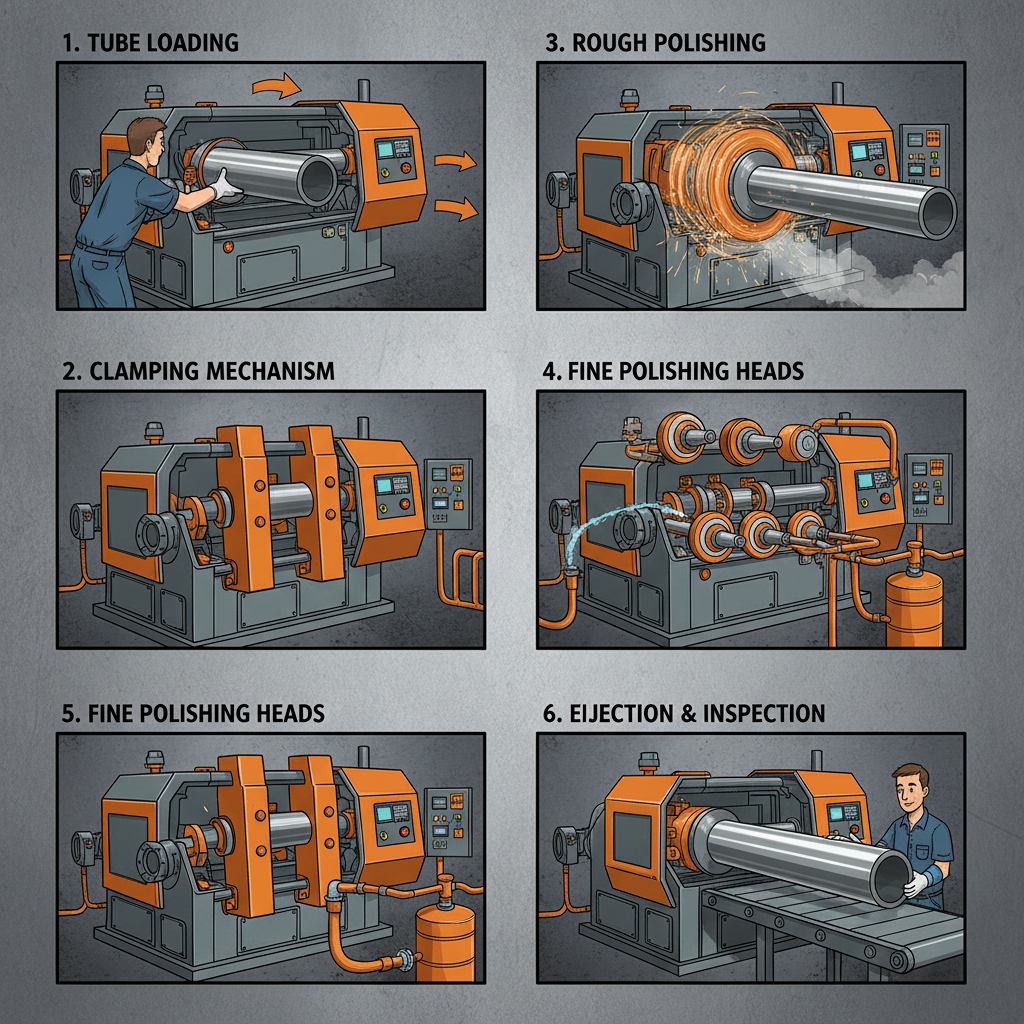
Achieving a true mirror polish requires a combination of factors: the correct abrasive selection, optimized polishing parameters (speed, pressure, and feed rate), and precise control of the polishing environment. Modern machines leverage advanced technologies to monitor and adjust these parameters in real-time, ensuring consistently high-quality results.
Defining a tube mirror polishing machine
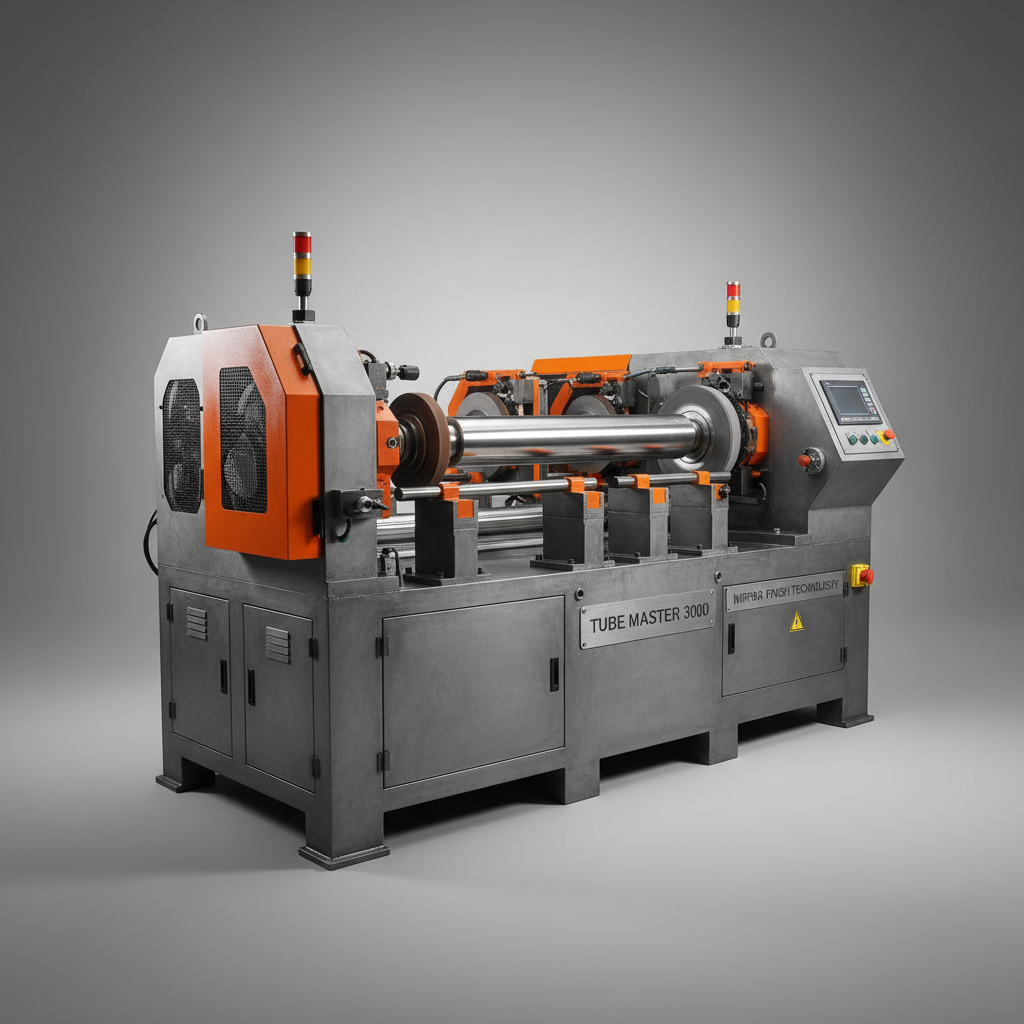
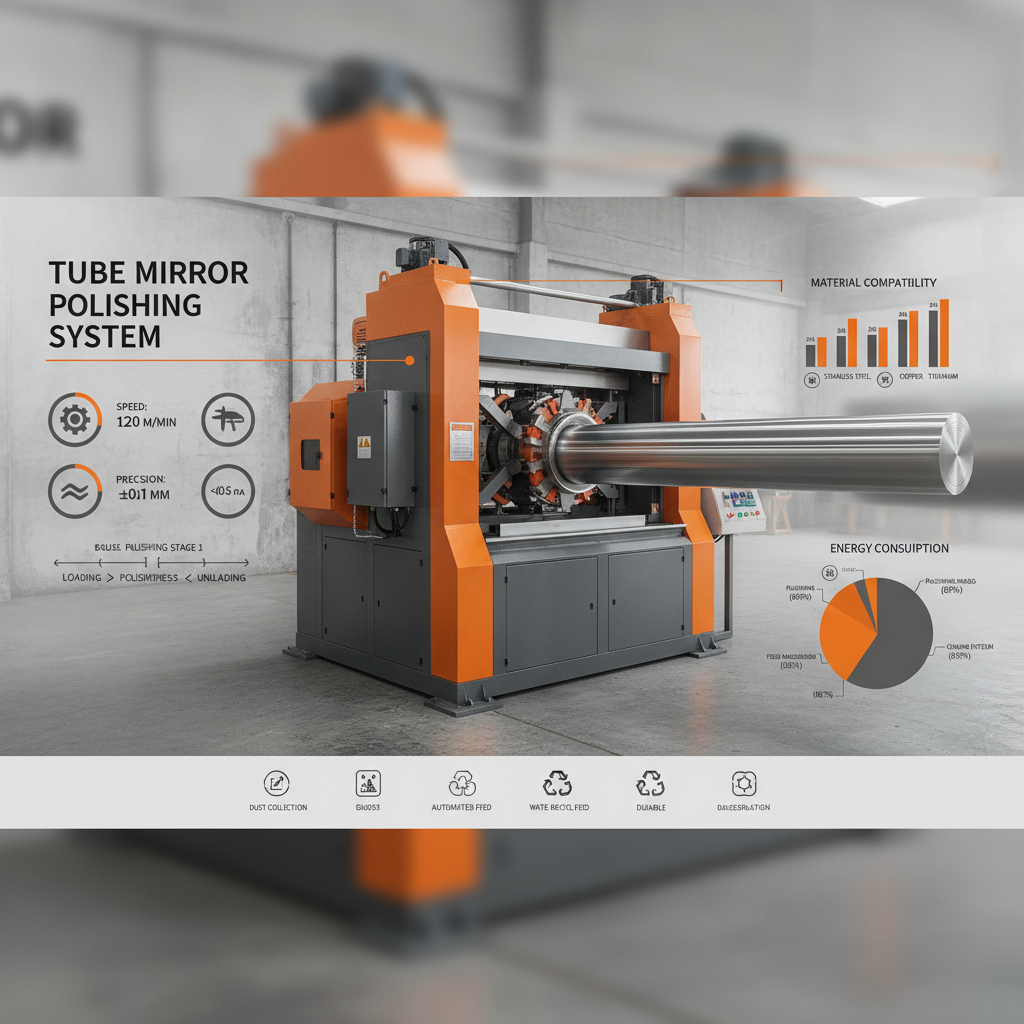
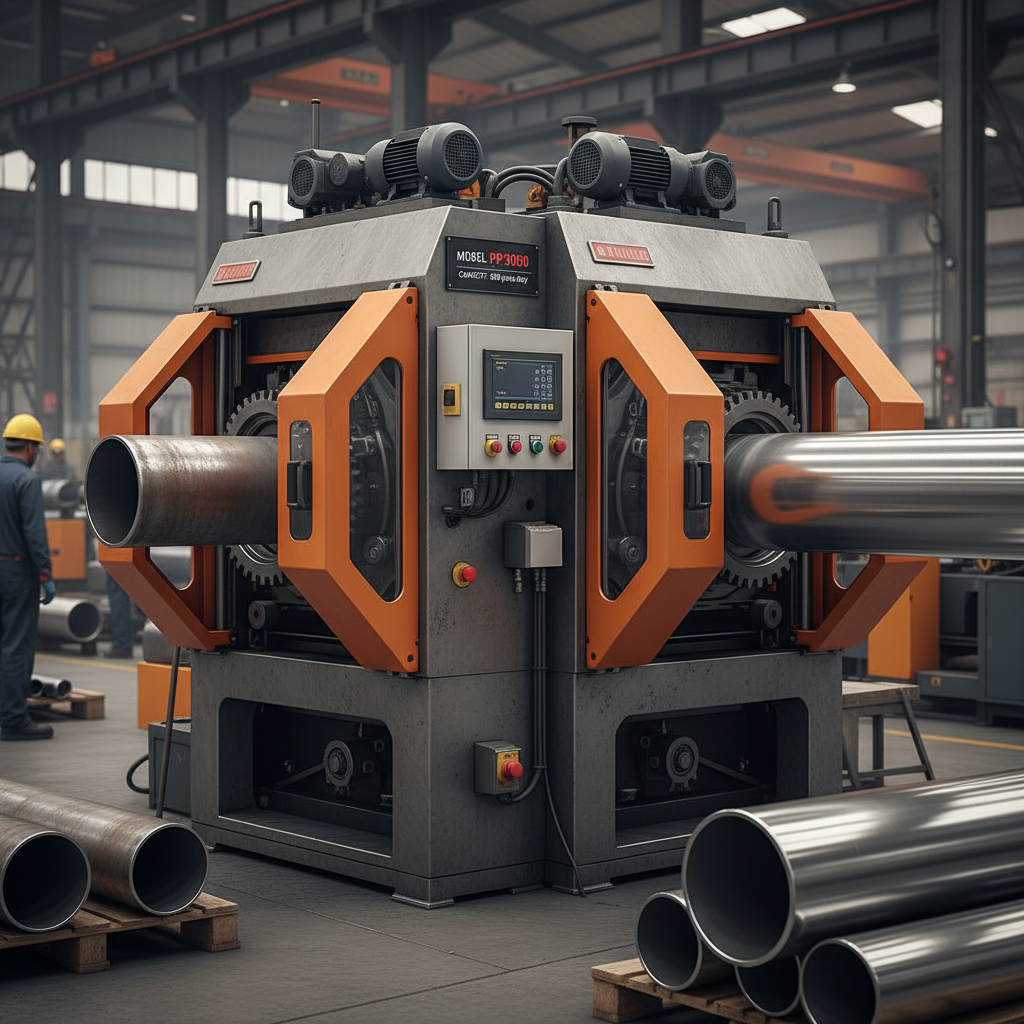
A tube mirror polishing machine is a specialized piece of industrial equipment designed to refine the interior and/or exterior surfaces of tubular materials to an exceptionally high level of smoothness and reflectivity. Unlike standard polishing machines, these are specifically engineered to accommodate the unique challenges of working with cylindrical shapes, ensuring uniform polishing across the entire surface area.
These machines employ a variety of polishing methods, including electropolishing, chemical polishing, and mechanical polishing (using abrasive compounds and polishing belts or wheels). The selection of the optimal method depends on the material being polished, the desired level of finish, and the specific application requirements.
The importance of a tube mirror polishing machine extends beyond aesthetics; it directly impacts the functionality and performance of the finished product. For example, in medical tubing, a mirror polish minimizes friction and prevents bacterial adhesion, while in hydraulic systems, it reduces flow resistance and improves efficiency.
Key Components and Operational Factors
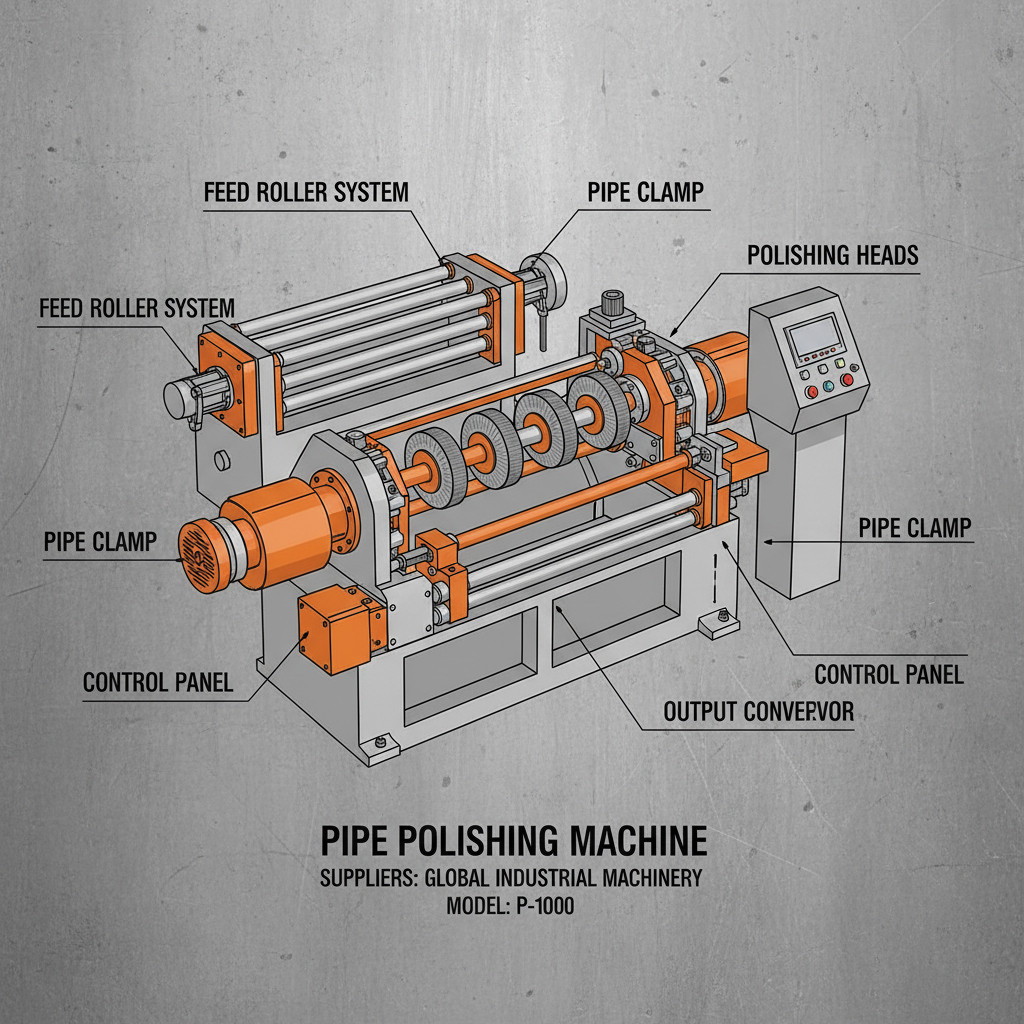
Several core components dictate the performance of a tube mirror polishing machine. These include the drive system (responsible for rotating the tube and/or polishing media), the polishing head (which houses the polishing belts, wheels, or electrodes), the coolant system (to dissipate heat and remove debris), and the control system (to manage and monitor the polishing process).
Operational factors such as polishing media selection (abrasive compounds, electrolytes), polishing pressure, feed rate, and rotational speed significantly impact the final surface finish. Precise control of these parameters, often achieved through automated systems, is crucial for consistent, high-quality results. Maintaining consistent coolant flow and temperature is equally vital.
The material of the tube itself also plays a significant role. Different materials require different polishing techniques and abrasive compounds. For example, stainless steel requires a different approach than aluminum or titanium, and understanding these nuances is vital for achieving optimal results with a tube mirror polishing machine.
Global Applications Across Industries
The applications of tube mirror polishing machine technology are incredibly diverse, spanning numerous industries. In the pharmaceutical sector, these machines are used to polish tubing for drug delivery systems, ensuring sterility and preventing contamination. Aerospace manufacturers rely on mirror-polished tubing for hydraulic lines and fuel systems, where surface finish directly impacts performance and reliability.
The food and beverage industry utilizes polished tubes in processing equipment to maintain hygiene and prevent bacterial growth. Semiconductor manufacturing employs highly polished tubing for gas and liquid delivery systems, where purity and precision are paramount. In regions with robust manufacturing sectors, like China, Germany, and the United States, the demand for advanced polishing solutions is particularly high.
Even in emerging economies, the demand for high-quality tubing is growing, driven by increased investment in infrastructure and manufacturing. From remote oil and gas pipelines to specialized medical facilities, tube mirror polishing machine technology is becoming increasingly essential for ensuring safety, efficiency, and compliance.
Performance Comparison of tube mirror polishing machine Methods
Advantages and Long-Term ROI
Investing in a tube mirror polishing machine offers several tangible advantages. Reduced product defects, improved surface finish, and enhanced operational efficiency translate directly into cost savings and increased profitability. The ability to consistently meet stringent quality standards also strengthens brand reputation and customer trust.
Beyond the economic benefits, there's a significant environmental upside. Precise polishing minimizes material waste and reduces the need for rework, contributing to a more sustainable manufacturing process. A long-term investment in a reliable machine minimizes downtime and maintenance costs, maximizing return on investment.
Future Trends and Technological Advancements
The future of tube mirror polishing machine technology is centered around automation, intelligent control systems, and the integration of Industry 4.0 principles. We're seeing a growing trend towards machines equipped with advanced sensors, real-time monitoring capabilities, and AI-powered algorithms that optimize polishing parameters on-the-fly.
New abrasive materials and polishing techniques are constantly being developed, offering improved efficiency and superior surface finishes. The adoption of eco-friendly polishing compounds and sustainable practices is also gaining momentum, reflecting a broader industry commitment to environmental responsibility.
Challenges and Innovative Solutions
Despite advancements, challenges remain in tube mirror polishing machine operation. Maintaining consistent polishing pressure and avoiding localized overheating can be difficult, particularly with complex tube geometries. The selection of appropriate polishing media for different materials is also a constant area of optimization.
Innovative solutions include the development of adaptive polishing heads that automatically adjust to tube contours, advanced cooling systems that effectively dissipate heat, and AI-powered algorithms that predict and prevent defects. The use of non-destructive testing methods, such as optical microscopy and surface profilometry, allows for real-time quality control and process optimization.
Addressing these challenges requires a collaborative approach involving machine manufacturers, material scientists, and end-users, all working together to push the boundaries of polishing technology and achieve consistently superior results.
Summary of Key Challenges and Corresponding Solutions in tube mirror polishing machine
| Challenge |
Impact on Polishing Quality |
Potential Solution |
Implementation Difficulty (1-10) |
| Inconsistent Polishing Pressure |
Uneven Surface Finish |
Adaptive Polishing Heads |
7 |
| Localized Overheating |
Material Distortion |
Advanced Cooling Systems |
6 |
| Abrasive Media Selection |
Suboptimal Surface Finish |
AI-Powered Material Analysis |
8 |
| Complex Tube Geometries |
Difficult to Reach Areas |
Robotic Polishing Arms |
9 |
| Real-time Quality Control |
Delayed Defect Detection |
In-line Surface Profilometry |
5 |
| Maintaining Consistent Speed |
Scratches and Imperfections |
Precision Drive Systems |
4 |
FAQS
Electropolishing uses an electrochemical process to remove surface material, resulting in a highly polished, passive surface with excellent corrosion resistance. Mechanical polishing, on the other hand, utilizes abrasive compounds and physical force. Electropolishing is ideal for intricate shapes and achieving a truly mirror-like finish, while mechanical polishing is generally more cost-effective for larger-scale applications. The best choice depends on the material, desired finish, and application requirements.
Selecting the right abrasive is crucial. Consider the material hardness; softer materials require finer abrasives to avoid scratching. The desired level of finish also plays a role – rough polishing uses coarser abrasives, while mirror polishing requires progressively finer compounds. Abrasive size, type (e.g., alumina, silica, diamond), and suspension medium all impact the final result. Consulting with a polishing expert is recommended.
Regular maintenance is essential for optimal performance. This includes cleaning the polishing heads and coolant system, inspecting and replacing worn belts or wheels, and lubricating moving parts. Periodic checks of the drive system and control electronics are also necessary. Following the manufacturer's recommended maintenance schedule will extend the machine's lifespan and ensure consistent results.
Many tube mirror polishing machines are designed with adjustable components to accommodate a range of tube sizes. However, there are limitations. It’s important to specify the expected range of diameters and lengths when purchasing a machine. Some machines may require tooling changes for significantly different dimensions. Automated systems often handle varying sizes more efficiently.
Safety is paramount. Always wear appropriate personal protective equipment (PPE), including safety glasses, gloves, and a dust mask. Ensure the machine is properly grounded and that all safety interlocks are functioning correctly. Follow the manufacturer's safety guidelines and receive proper training before operating the machine. Proper ventilation is also crucial to remove abrasive dust and fumes.
The ROI timeframe varies depending on factors like production volume, labor costs, and the value of the polished products. However, most companies experience a significant return within 1-3 years, due to reduced defects, increased efficiency, and improved product quality. The elimination of costly rework and the ability to meet demanding customer specifications contribute to long-term profitability.
Conclusion
In conclusion, the tube mirror polishing machine stands as a critical technology for industries demanding exceptional surface finishes. From enhancing product performance and ensuring sterility to improving efficiency and promoting sustainability, its benefits are far-reaching. Understanding the core principles, key components, and future trends in this field is essential for manufacturers striving to remain competitive in the global marketplace.
As technology continues to advance, we can expect even more sophisticated tube mirror polishing machine solutions, incorporating automation, AI, and sustainable practices. Investing in this technology isn’t just about improving surface finish; it's about investing in quality, efficiency, and the future of manufacturing. Visit our website at www.xielizz.com to learn more about our cutting-edge polishing solutions.