0%

Table of Contents

The global demand for high-quality surface finishes on pipes and tubes is continually increasing, driven by industries like oil and gas, pharmaceuticals, food processing, and automotive manufacturing. A pipe and tube polishing machine addresses this demand by providing precise and efficient material finishing, essential for functionality, corrosion resistance, and aesthetic appeal. Understanding the nuances of these machines – their capabilities, applications, and future trends – is vital for businesses aiming to optimize their production processes and meet stringent industry standards.

Across the globe, industries face challenges related to maintaining the integrity and performance of piping systems. Corrosion, friction, and contamination are constant concerns. Investing in a reliable pipe and tube polishing machine isn’t just about improving surface quality; it’s about enhancing the lifespan of critical infrastructure, reducing maintenance costs, and ensuring product safety. The technology allows for consistent, repeatable results, a crucial factor in regulated industries.

Furthermore, the growing emphasis on hygiene and sanitary standards, particularly in food and beverage and medical applications, has amplified the need for perfectly polished internal surfaces. The right polishing process minimizes bacterial adhesion and simplifies cleaning procedures, contributing to safer and more reliable operations.
Advanced Pipe and Tube Polishing Machine Solutions for Superior Surface Finishing

The Importance of Pipe and Tube Polishing Machines

Advanced Pipe and Tube Polishing Machine Solutions for Superior Surface Finishing

Modern industries rely heavily on the precise finishing of pipes and tubes. A pipe and tube polishing machine isn’t merely about aesthetics; it's fundamental to ensuring optimal performance, extending service life, and maintaining stringent quality control. In sectors like pharmaceuticals and food processing, a polished surface is critical for preventing bacterial growth and facilitating efficient cleaning.

Beyond hygiene, surface finish dramatically impacts flow rates, friction, and resistance to corrosion. Poorly polished surfaces can lead to increased energy consumption, premature failure of components, and costly downtime. Investing in the right polishing technology offers a substantial return on investment through improved efficiency and reduced maintenance.

Defining Pipe and Tube Polishing Machines

A pipe and tube polishing machine is specialized equipment designed to remove surface imperfections, improve smoothness, and achieve a desired level of reflectivity on the interior and/or exterior surfaces of tubular products. These machines utilize a variety of abrasive materials and polishing compounds, often in conjunction with automated processes, to create a high-quality finish.

The connection to modern industry is direct and essential. From the stainless steel tubes used in medical implants to the high-alloy pipes transporting oil and gas, a polished surface is often a prerequisite for functionality and safety. Without these machines, many modern manufacturing processes would be significantly less efficient and reliable.

Furthermore, the humanitarian applications are increasingly relevant. Clean water distribution systems, for example, benefit greatly from polished pipes that resist corrosion and minimize the risk of contamination, particularly in regions with limited resources.

Key Factors Influencing Performance

Several key factors determine the effectiveness of a pipe and tube polishing machine. The choice of abrasive material, ranging from coarse grits for initial material removal to fine compounds for achieving a mirror finish, is paramount. Equally important is the polishing compound, which lubricates the process and enhances the surface quality.

The speed and pressure applied during polishing also significantly impact the final result. Automated machines offer greater control and consistency in these parameters, leading to more repeatable and predictable outcomes. The machine's design, including the arrangement of polishing belts or wheels, influences its ability to access and polish complex geometries.

Finally, the material of the pipe or tube itself plays a critical role. Different materials require different polishing techniques and compounds to achieve optimal results. Stainless steel, for instance, requires different approaches than aluminum or copper alloys.

Core Components of a Polishing Machine

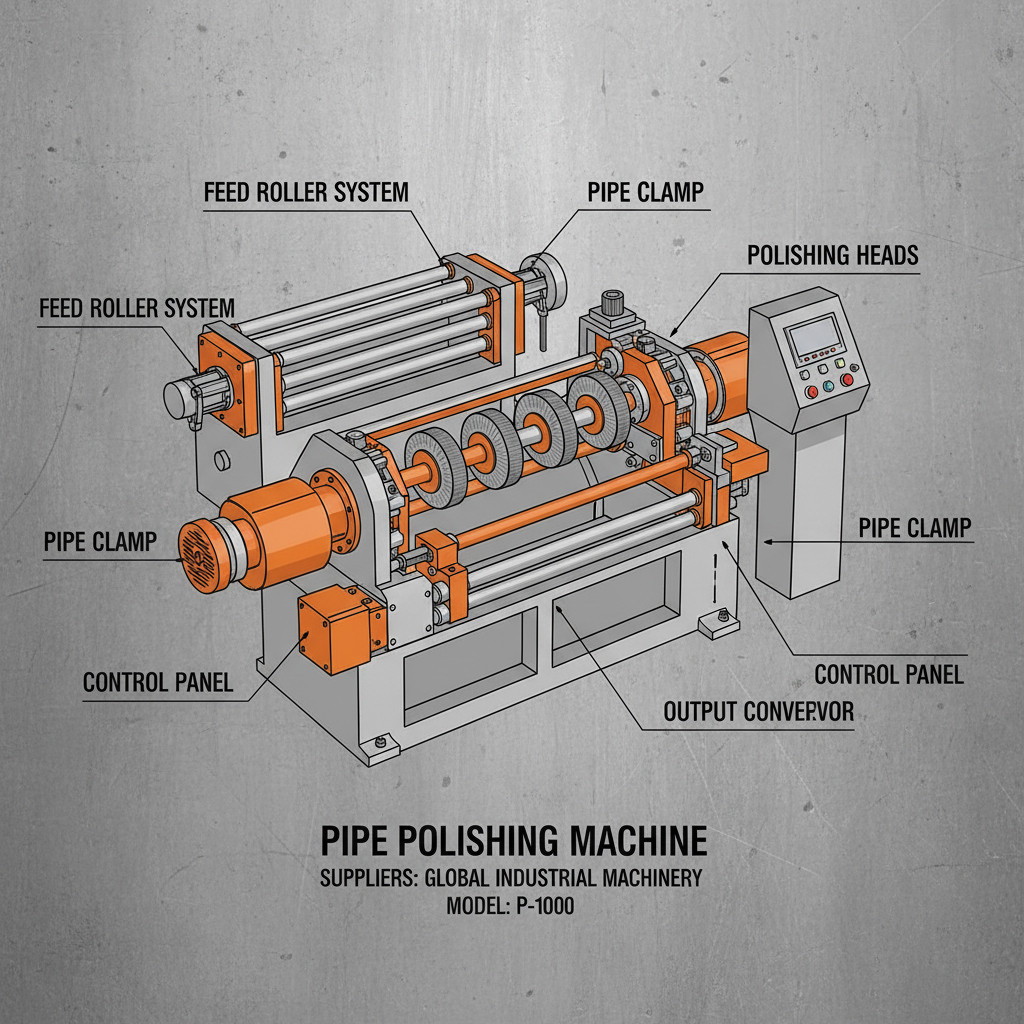
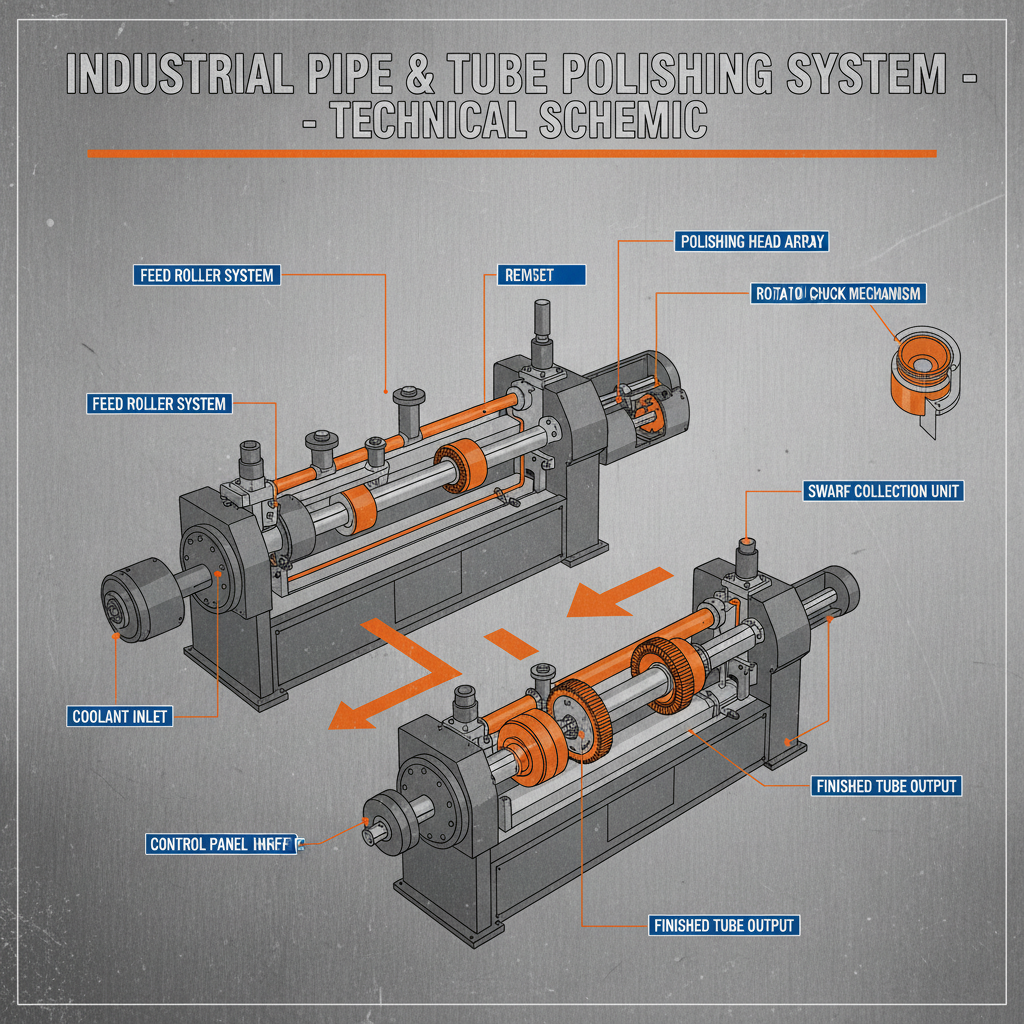
A typical pipe and tube polishing machine consists of several key components working in harmony. These include the drive system, which provides the rotational force for polishing, the polishing heads or belts, which apply the abrasive material, and the control system, which regulates speed, pressure, and other parameters.

Cooling systems are essential for preventing overheating and maintaining optimal polishing conditions. Material handling systems, such as conveyors and loaders, automate the process and improve efficiency. And finally, dust collection systems remove abrasive particles and maintain a clean working environment.

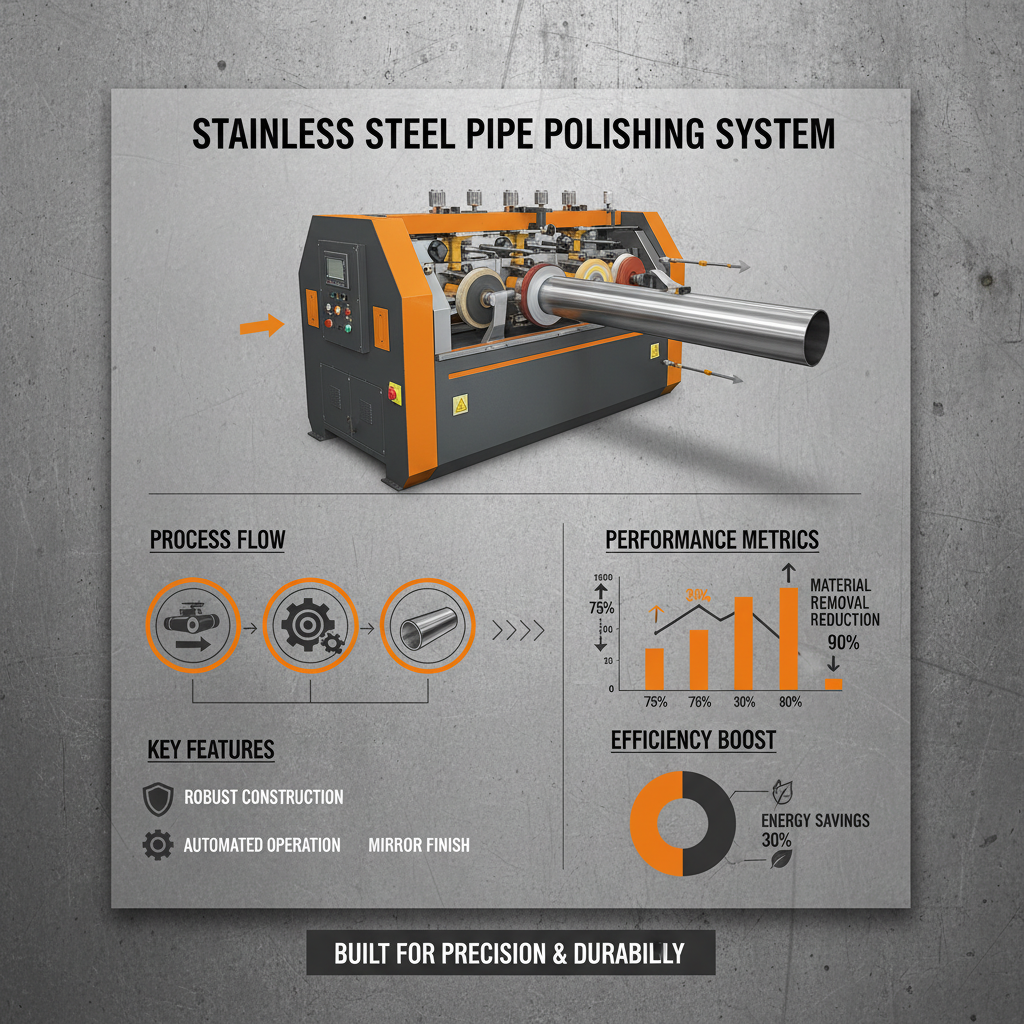
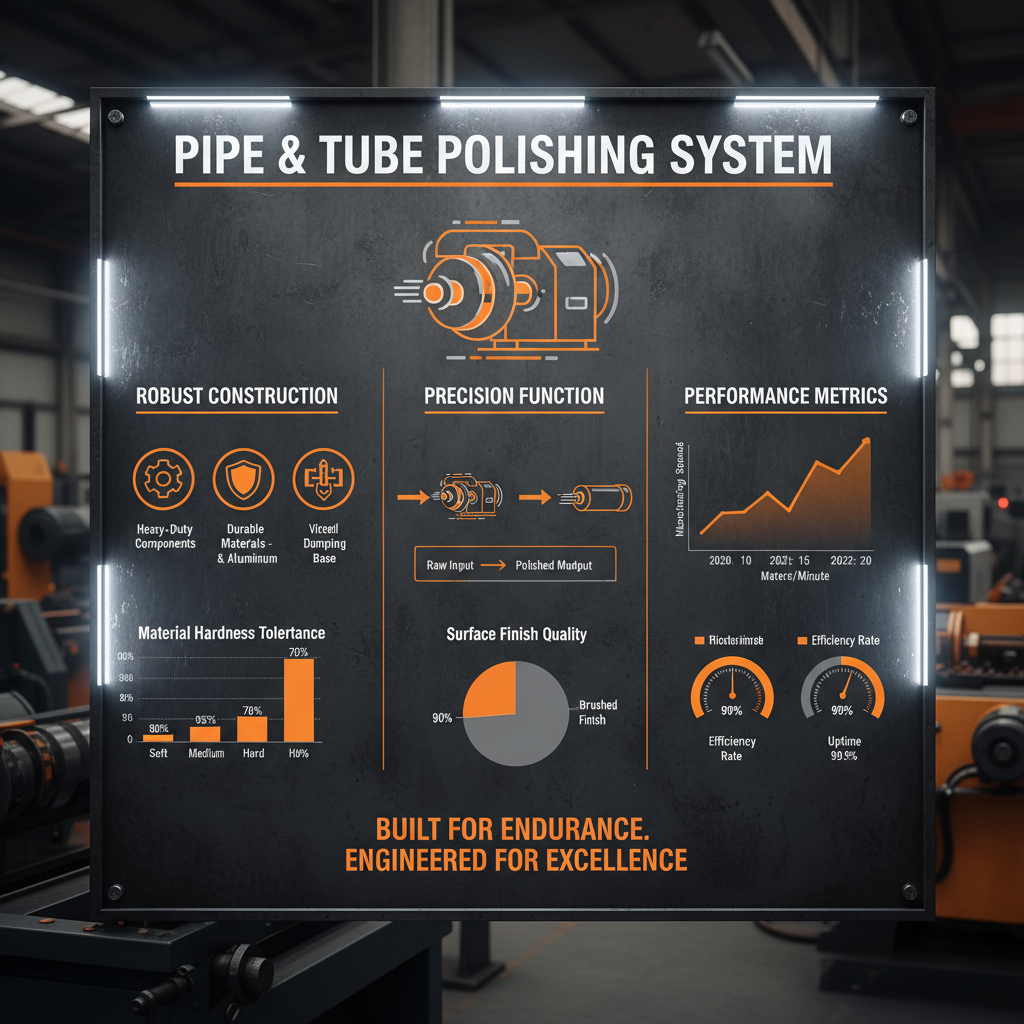
Pipe and Tube Polishing Machine Performance Metrics


Global Applications and Industry Use Cases

The applications of pipe and tube polishing machines are incredibly diverse, spanning numerous industries worldwide. In the pharmaceutical industry, polished stainless steel tubes are essential for maintaining sterile processing environments. The food and beverage sector utilizes polished tubes for hygienic fluid transport and processing.

The oil and gas industry relies on polished pipes to minimize friction and prevent corrosion in harsh operating conditions. The automotive industry utilizes polished tubes for fuel lines, exhaust systems, and other critical components. These machines are used extensively in Europe, North America, and increasingly in developing economies in Asia and South America, where infrastructure development is rapidly expanding.

Advantages and Long-Term Value Proposition

Investing in a high-quality pipe and tube polishing machine yields significant long-term benefits. Reduced maintenance costs due to increased corrosion resistance are a primary advantage. Improved flow rates and reduced energy consumption contribute to operational efficiency. Enhanced product quality and adherence to industry standards build trust and brand reputation.

The sustainability aspect is also noteworthy. By extending the lifespan of piping systems, these machines contribute to resource conservation and reduced waste. Furthermore, a polished surface minimizes the risk of contamination, enhancing safety and public health.

Future Trends and Innovations in Polishing Technology

The future of pipe and tube polishing machine technology is poised for significant advancements. Automation and robotics are playing an increasingly prominent role, enabling greater precision, consistency, and efficiency. The integration of artificial intelligence (AI) is allowing for real-time monitoring and optimization of polishing parameters.

The development of eco-friendly polishing compounds and processes is another key trend, driven by growing environmental concerns. Furthermore, advancements in laser polishing and electrochemical polishing offer alternative methods for achieving high-quality surface finishes with minimal environmental impact.

Digitalization, with the advent of Industry 4.0 principles, will see increased connectivity and data analytics integrated into polishing machines, enabling predictive maintenance and optimized performance.

Summary of Key Performance Indicators for Pipe and Tube Polishing Machines

Polishing Method Surface Roughness (Ra) Processing Time (minutes) Operational Cost (USD)
Electropolishing 0.1 - 0.3 60 50
Mechanical Polishing (Abrasive Belts) 0.4 - 0.8 45 35
Vibratory Polishing 0.6 - 1.2 90 20
Centrifugal Disc Polishing 0.2 - 0.5 50 40
Flow Polishing 0.1 - 0.4 75 60
Automated Robotic Polishing 0.05 - 0.2 30 75

FAQS

What are the main applications of pipe and tube polishing machines?

Pipe and tube polishing machines find widespread use across diverse industries, including pharmaceuticals, food and beverage, oil and gas, automotive, and medical device manufacturing. They are essential for achieving the smooth, corrosion-resistant, and hygienic surfaces required in these sectors. Specifically, they are utilized for internal and external polishing of tubes used in heat exchangers, reactors, pipelines, and sanitary systems, ensuring optimal performance and compliance with stringent industry regulations.

How does automation impact the efficiency of pipe and tube polishing?

Automation significantly enhances the efficiency of pipe and tube polishing by providing precise control over parameters like speed, pressure, and abrasive material feed. Automated machines minimize human error, reduce labor costs, and ensure consistent, repeatable results. They also enable faster processing times and the ability to handle large production volumes. Modern machines often integrate with data analytics systems for real-time monitoring and optimization.

What types of abrasive materials are commonly used in these machines?

A wide range of abrasive materials are utilized, depending on the material being polished and the desired finish. Common options include aluminum oxide, silicon carbide, ceramic abrasives, and diamond compounds. The grit size of the abrasive varies from coarse for initial material removal to extremely fine for achieving a mirror-like polish. Polishing compounds, often containing lubricants and detergents, are also used to facilitate the process.

What maintenance is required for a pipe and tube polishing machine?

Regular maintenance is crucial for ensuring optimal performance and longevity. This includes cleaning the machine to remove abrasive particles and polishing compounds, lubricating moving parts, inspecting belts and wheels for wear and tear, and calibrating control systems. Periodic inspections by qualified technicians are recommended to identify and address potential issues before they lead to costly downtime.

How do I choose the right polishing machine for my specific needs?

Selecting the appropriate machine requires careful consideration of several factors, including the type of material being polished, the desired surface finish, the production volume, and the tube dimensions. It's essential to assess your specific requirements and consult with a reputable supplier to determine the machine configuration and features best suited to your application. Consider automation level, cooling system efficiency, and compatibility with your existing workflow.

Are there environmentally friendly polishing options available?

Yes, there is a growing trend towards environmentally friendly polishing solutions. This includes the development of water-based polishing compounds, the use of biodegradable abrasives, and the implementation of closed-loop recycling systems to minimize waste. Electropolishing, a chemical polishing process, also offers a more eco-friendly alternative to traditional mechanical polishing methods, reducing abrasive waste.

Conclusion

In conclusion, a pipe and tube polishing machine represents a critical investment for industries demanding high-quality surface finishes. From ensuring hygienic conditions in food processing to enhancing corrosion resistance in oil and gas pipelines, these machines deliver tangible benefits across a broad spectrum of applications. The combination of precision, efficiency, and increasingly sustainable technologies makes them indispensable for modern manufacturing.

Looking ahead, continued innovation in automation, materials science, and digitalization will further enhance the capabilities of these machines. Investing in the latest technology not only improves product quality and reduces operational costs but also positions businesses to meet evolving industry standards and maintain a competitive edge. Visit our website at www.xielizz.com to learn more.

Daniel Brown

Daniel Brown

Daniel Brown is the Marketing and Communications Manager for Xingtai Xieli Machinery. He is responsible for developing and executing the company’s marketing strategy, including content creation, website management, and social media engagement. Daniel works closely with our engineering and sales teams to translate complex technical information into accessible and informative
Previous Advanced Tube Mirror Polishing Machine Solutions for Precision Manufacturing
Next Advancing Surface Finishing with the mlw100 Tube Polishing Machine

If you are interested in our products, you can choose to leave your information here, and we will be in touch with you shortly.