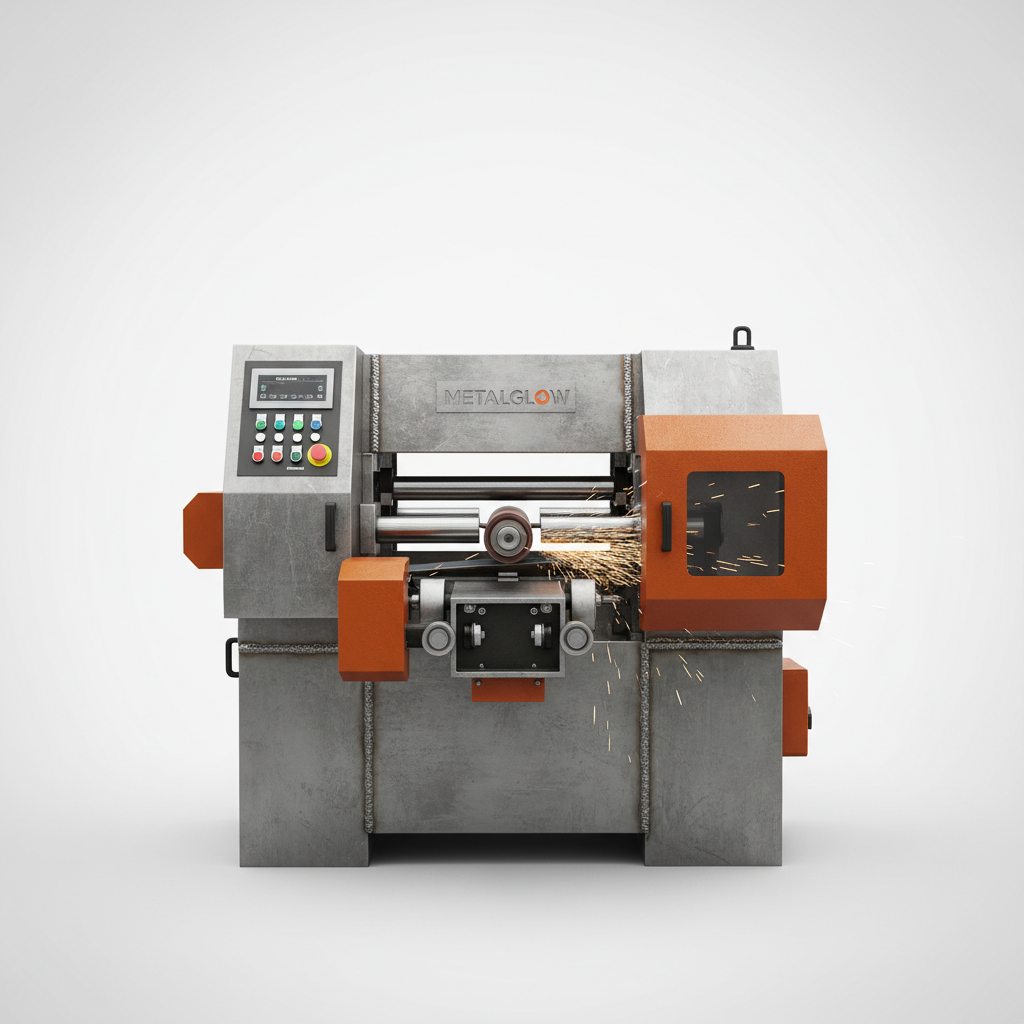
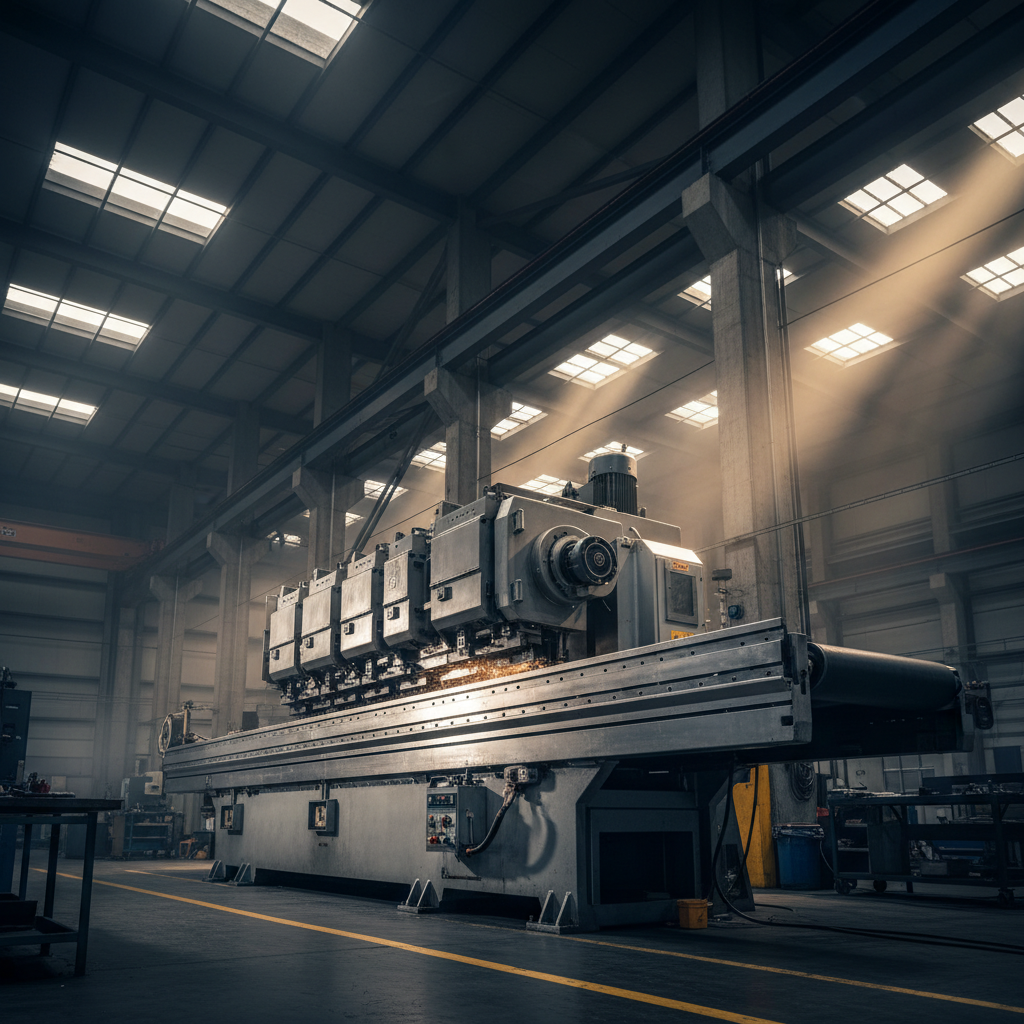
Honestly, the whole tube(pipe) polishing(buffing) machine scene is getting… interesting. Everyone’s chasing automation, bigger capacity, faster cycle times. You go to any metal fabrication expo these days, and it’s all robots and PLC controls. But you know what I’ve noticed? A lot of these guys designing the machines haven’t spent a day on a shop floor. They think a pipe is just a perfect cylinder. It’s not. It’s got welds, it’s got slight bends, it’s got scale that’s practically welded on.
I've seen so many machines designed for perfect conditions. Beautifully engineered, but then you get it to a real factory and it chokes on the first piece of slightly imperfect tubing. Then it's a week of adjustments, and the foreman is giving you the stink eye. It’s always the simple things they overlook.
It’s a constant battle, really.
The Current Landscape of tube(pipe) polishing(buffing) machine
Strangely enough, the biggest shift I've seen isn't necessarily in the polishing process itself, but in the materials being polished. More and more manufacturers are moving to higher alloy steels, stainless steels with exotic coatings… stuff that’s a nightmare to get a mirror finish on. They’re all chasing corrosion resistance and strength. And that means you need more aggressive abrasives, more precise control of the polishing pressure, and… well, just a more robust machine overall.
The demand for automated solutions is definitely increasing. Labor is expensive, and honestly, finding skilled polishers is getting harder and harder.
Common Design Pitfalls in tube(pipe) polishing(buffing) machine
Oh boy, where do I even start? I encountered this at a fastener factory last time. People love to overcomplicate things. They’ll design these elaborate feed systems that are supposed to handle every possible tube diameter and wall thickness, but they forget that real-world tubes are rarely that uniform. You end up with a system that jams constantly. And then they blame the operator!
Another big one is assuming the tube is perfectly centered. A slight eccentricity can cause uneven polishing, vibration, and ultimately, premature wear on the polishing heads. You have to design for tolerances, not for ideal conditions.
And don't even get me started on coolant systems. Too little coolant, and you burn the workpiece. Too much, and you’ve got a slippery mess all over the floor. It’s a delicate balance.
Materials Used in tube(pipe) polishing(buffing) machine Construction
Now, the machines themselves… you're looking at a lot of cast iron for the base, for stability. It just… feels solid, you know? Then you've got steel alloys for the frame and moving parts, obviously. A lot of 4140, sometimes even some tool steel for the polishing spindles. The key is getting the right heat treatment. If the metal isn’t properly hardened, it’ll wear out faster than you can blink.
I'm telling you, you can tell a good machine just by the smell of the oil. It’s gotta be a high-quality synthetic, something that can handle the heat and the abrasive particles. Cheaping out on the oil is a recipe for disaster. And the abrasive belts... it's everything. Aluminum oxide, silicon carbide, ceramic… each one has its place, depending on the material you’re polishing. You get the wrong grit, and you'll be wasting your time, or worse, damaging the workpiece.
The control panels… that's where they’re going fancier, with touchscreen PLCs and all that. But honestly, I still prefer a good old-fashioned set of knobs and switches. Easier to troubleshoot when something goes wrong. Anyway, I think.
Real-World Testing & Quality Control for tube(pipe) polishing(buffing) machine
Forget the lab tests. Those are fine for verifying specifications, but they don’t tell you how a machine will hold up to real abuse. We run our machines in actual production environments, side-by-side with the old ones. We'll run them 24/7 for weeks, pushing them to their limits.
We also pay a lot of attention to vibration analysis. Too much vibration, and you're going to have problems with the polishing heads and the bearings. We use accelerometers to measure the vibration levels at different points on the machine.
Tube(pipe) polishing(buffing) machine Performance Metrics
How Users Actually Interact with tube(pipe) polishing(buffing) machine
You know, it's funny. Engineers always assume the operator will follow the procedures to the letter. But in reality, they'll find shortcuts. They'll tweak the settings to get the job done faster, even if it means sacrificing a little bit of quality. You have to design the machine with that in mind. Make it forgiving.
They also tend to ignore the warning lights. Seriously. You put a big red flashing light on the machine, and they'll just tape over it. I don’t know why.
Advantages and Disadvantages of tube(pipe) polishing(buffing) machine
The biggest advantage is, obviously, the finish quality. A well-polished tube just looks better. It's smoother, it's more durable, and it's less likely to corrode. And, if you get an automated system, you can significantly increase throughput.
But… they're expensive. Not just the machine itself, but also the maintenance, the abrasive belts, the coolant. And they require a skilled operator to keep everything running smoothly. Plus, they can be a pain to clean. All that polishing dust gets everywhere.
Customization Options for tube(pipe) polishing(buffing) machine
We get a lot of requests for customization. Last month, that small boss in Shenzhen who makes smart home devices insisted on changing the interface to … and the result was a complete disaster. He thought it would be more "modern," but it just introduced a whole new set of compatibility issues. He ended up switching back to USB-A.
We can customize the number of polishing heads, the abrasive types, the feed rate, the coolant system... pretty much anything you can think of. We can even build machines to handle tubes with non-circular cross-sections. The key is understanding the customer’s specific needs.
Summary of Customization Requests for tube(pipe) polishing(buffing) machine
| Request Type |
Complexity (1-5) |
Cost Impact ($) |
Lead Time (Weeks) |
| Abrasive Type Change |
1 |
100 |
1 |
| Polishing Head Addition |
3 |
1500 |
3 |
| Coolant System Upgrade |
2 |
800 |
2 |
| Interface Modification |
4 |
2000 |
4 |
| Non-Circular Tube Handling |
5 |
5000 |
6 |
| Automated Loading/Unloading |
4 |
3000 |
5 |
FAQS
Well, that depends. A good machine, properly maintained, should last you at least 10-15 years. But we’ve seen some older models still chugging along after 20. It all comes down to how well it’s treated. Regular lubrication, timely replacement of worn parts, and keeping it clean are key. Neglect it, and you’ll be looking at major repairs after just a few years. The really expensive stuff is the spindle bearings. When those go… you’re looking at a big bill.
Routine maintenance is critical. Daily checks of coolant levels, abrasive belt wear, and general cleanliness. Weekly lubrication of moving parts. Monthly inspections of the electrical system. And then you’ve got annual preventative maintenance – checking the spindle bearings, calibrating the controls, and replacing any worn seals. Don’t skimp on the maintenance. Trust me, a little bit of preventative work saves a whole lot of headache down the road.
Most metals, honestly. Carbon steel, stainless steel, aluminum, brass, copper... even some titanium alloys. The key is choosing the right abrasive and polishing compound for the specific material. We offer different packages tailored to different applications. If you're dealing with something exotic, we can work with you to develop a custom polishing process. But generally, if it’s a metal, we can polish it.
Safety is paramount. We include things like emergency stop buttons, safety guards around moving parts, and interlocks that prevent the machine from running if the guards are open. We also provide comprehensive training for operators on safe operating procedures. It’s important to emphasize that these machines can be dangerous if not operated properly. So, proper training is non-negotiable.
It varies depending on the size and capacity of the machine, but a typical model will draw around 10-20 kilowatts. We recommend having a dedicated electrical circuit for the machine to avoid overloading the system. Also, consider the energy costs when calculating the overall operating expenses. It adds up over time, you know?
Absolutely. We design our machines to be easily integrated with other equipment, such as robotic arms and conveyor systems. We can provide the necessary interfaces and protocols to ensure seamless communication and control. But it does require some planning and coordination. You don’t want to end up with a system that’s more trouble than it’s worth. It is a little bit difficult, but if handled correctly, it will make everything faster.
Conclusion
So, at the end of the day, these tube(pipe) polishing(buffing) machine aren't magic boxes. They’re complex pieces of machinery that require careful design, meticulous manufacturing, and regular maintenance. The industry’s moving towards more automation, more precision, and more customization. But the fundamentals remain the same: choose the right materials, design for real-world conditions, and prioritize safety.
Ultimately, whether this thing works or not, the worker will know the moment he tightens the screw. If the finish is right, the machine’s done its job. If it isn’t… well, you’ve got a problem. And that’s the truth of it. Visit our website at www.xielizz.com to learn more.