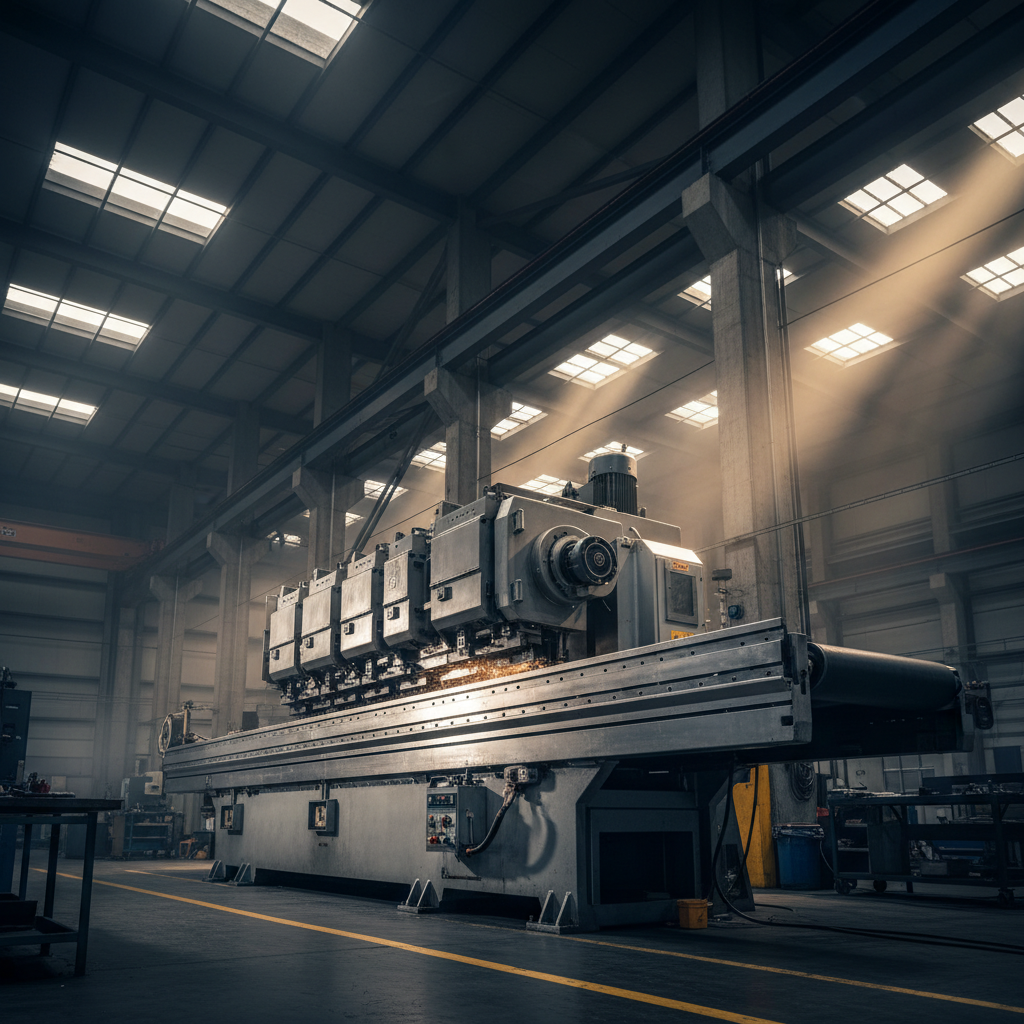
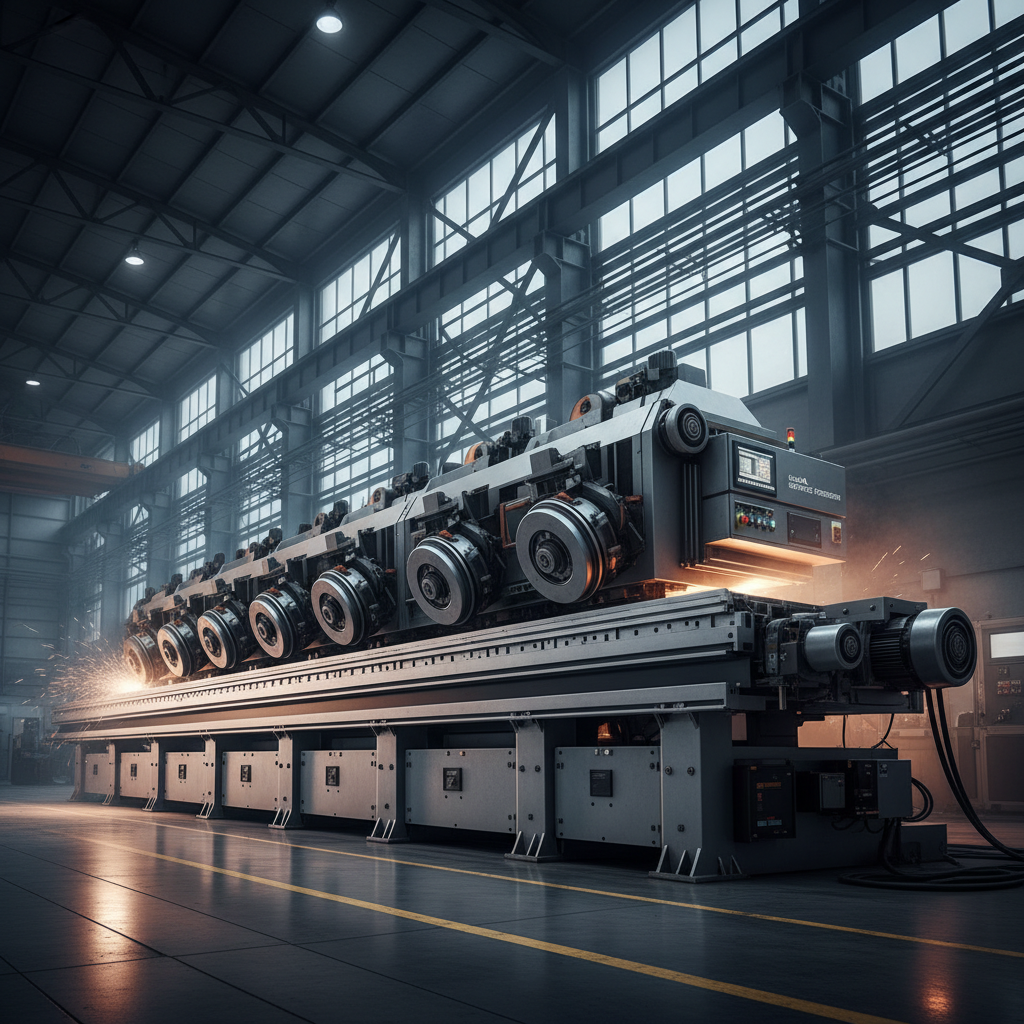
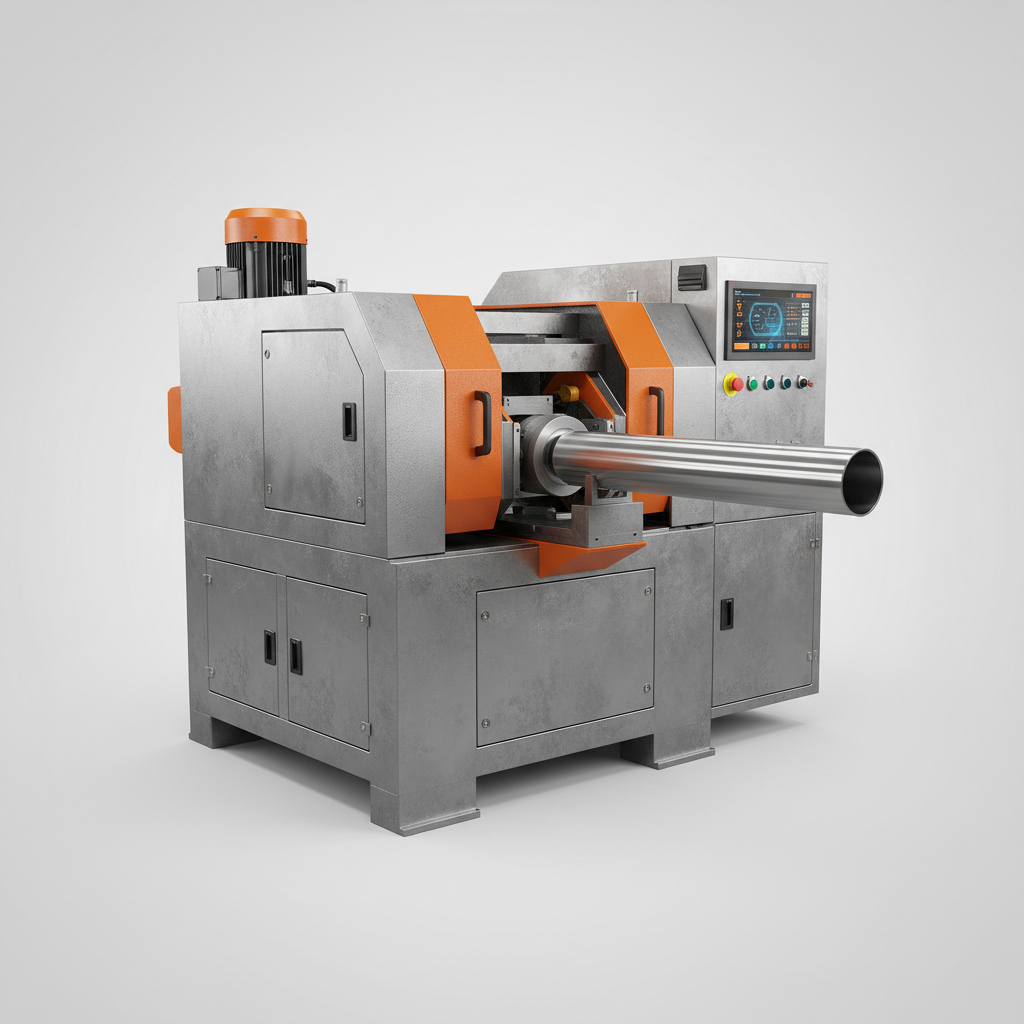
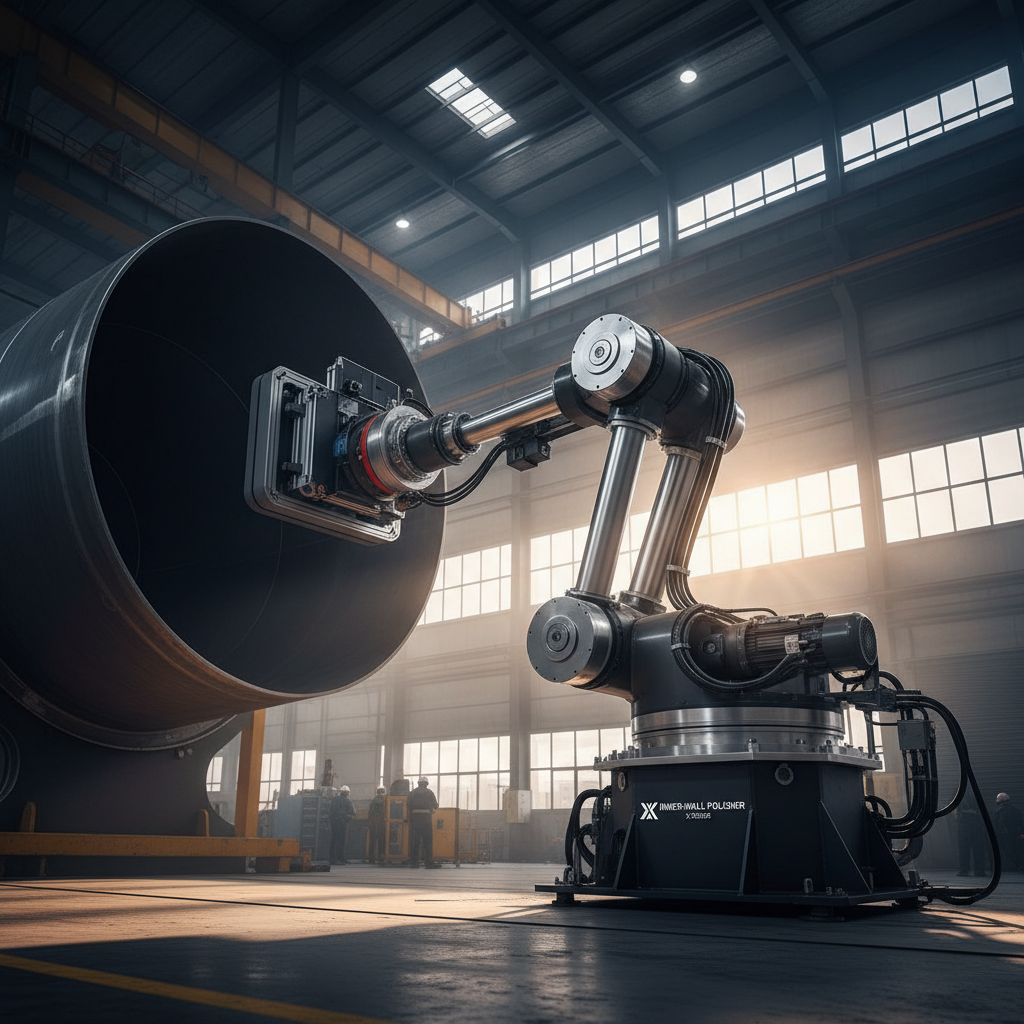
The precision and efficiency demanded by modern manufacturing processes have driven significant advancements in surface finishing technologies. Among these, the flat polishing machine stands out as a crucial tool for achieving exceptionally smooth and defect-free surfaces across a diverse range of materials. This isn’t just about aesthetics; achieving a perfect surface finish is fundamental to the performance, reliability, and lifespan of countless components used in industries from aerospace and automotive to optics and semiconductor manufacturing.
Globally, the market for surface finishing equipment, including the flat polishing machine, is experiencing steady growth, fueled by the increasing demand for high-precision parts and the expanding application areas of advanced materials. According to industry reports, the sector is projected to reach significant valuation in the coming years, indicating a sustained need for innovative and efficient polishing solutions. This growth underscores the crucial role of the flat polishing machine in supporting global manufacturing chains.
The need for superior surface finishes arises from a multitude of challenges faced by manufacturers. Achieving exacting tolerances, reducing friction, improving corrosion resistance, and enhancing optical properties all rely heavily on effective polishing techniques. The flat polishing machine addresses these challenges by providing a controllable and repeatable process for achieving highly polished surfaces, paving the way for improved product quality and performance.
The Core Principles of flat polishing machine
At its heart, a flat polishing machine relies on the principle of material removal through abrasive action. This isn’t simply grinding; it’s a carefully controlled process using abrasive slurries and polishing pads to remove microscopic layers of material, resulting in an exceptionally smooth surface. The key lies in balancing the abrasive force, slurry composition, pad material, and machine parameters to achieve the desired level of polish without introducing scratches or damage.
The effectiveness of a flat polishing machine is fundamentally linked to the precision of its mechanics and control systems. High-quality machines maintain consistent pressure distribution across the polishing surface, ensuring uniform material removal. Advanced models incorporate feedback loops and automated controls to dynamically adjust parameters based on real-time surface measurements, optimizing the polishing process for specific materials and desired finishes.
Defining the flat polishing machine
A flat polishing machine is a specialized piece of equipment designed to produce extremely flat and smooth surfaces on a variety of materials, including metals, ceramics, semiconductors, and optical components. Unlike traditional grinding or lapping machines, flat polishing machines prioritize surface finish over rapid material removal. They excel in achieving sub-micron surface roughness, essential for applications demanding exceptional precision.
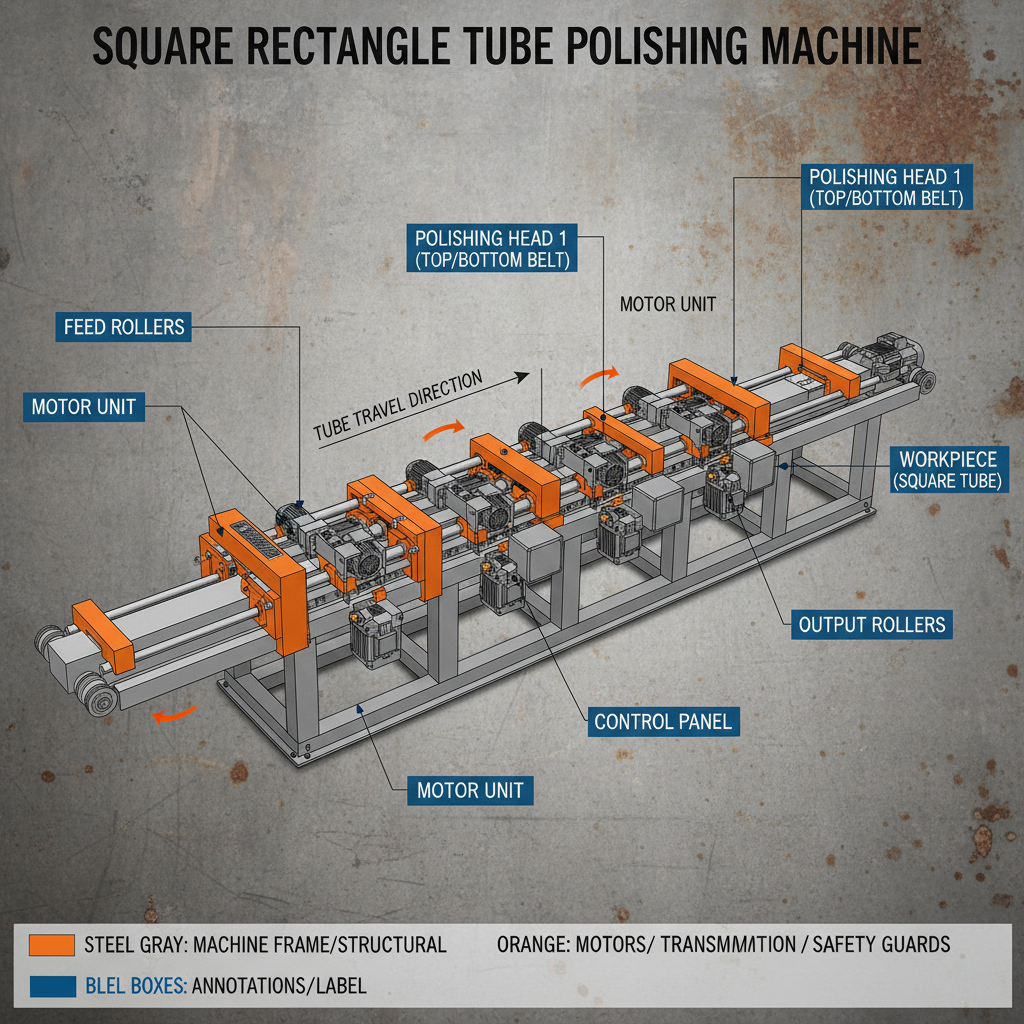
The machine typically consists of a rotating platen covered with a polishing pad, a slurry dispensing system, and a mechanism for holding and applying pressure to the workpiece. Modern flat polishing machines often incorporate advanced features like automated workpiece loading/unloading, programmable polishing parameters, and integrated surface measurement systems.
Its connection to modern industry is profound. Without the ability to create incredibly flat and smooth surfaces, many of the technologies we rely on daily – from smartphones and computers to medical devices and aerospace systems – would simply not be possible. The demand for these machines is directly correlated with advancements in materials science and the increasing need for miniaturization and high performance.
Essential Characteristics of flat polishing machine
Durability is a critical characteristic of any industrial machine, and the flat polishing machine is no exception. High-quality machines are constructed from robust materials designed to withstand the constant abrasion and chemical exposure inherent in the polishing process. This translates to a longer service life, reduced downtime, and lower overall operating costs.
Precision is paramount. The ability to maintain consistent pressure, speed, and slurry distribution is what separates a good flat polishing machine from a great one. High-precision machines are capable of achieving extremely tight tolerances, ensuring repeatable and reliable polishing results. This is particularly important in industries like semiconductor manufacturing where even microscopic variations can impact product performance.
Versatility is another key characteristic. The best flat polishing machines can accommodate a wide range of materials, workpiece sizes, and polishing parameters. This flexibility allows manufacturers to adapt to changing production needs and handle diverse polishing tasks without investing in multiple specialized machines.
Performance Metrics in flat polishing machine
Evaluating the performance of a flat polishing machine requires considering several key metrics. Surface Roughness (Ra, Rz) is the most fundamental, quantifying the average deviation of the surface from a perfectly smooth plane. Lower values indicate a finer polish. Flatness, measured in microns or nanometers, determines how closely the polished surface conforms to a perfect plane.
Material Removal Rate (MRR) describes the volume of material removed per unit of time, influencing the overall polishing efficiency. However, maximizing MRR shouldn’t come at the expense of surface finish. Defect Density, quantifying the number of scratches, pits, or other imperfections on the polished surface, is another critical parameter.
flat polishing machine Performance Comparison
Real-World Applications of flat polishing machine
The semiconductor industry is a major consumer of flat polishing machines. Wafer polishing is a critical step in the manufacturing process, ensuring the flatness and smoothness required for intricate circuit patterns. Optical component manufacturing also relies heavily on these machines to create lenses, prisms, and mirrors with exceptional surface quality.
In the aerospace industry, flat polishing machines are used to polish turbine blades, engine components, and other critical parts, improving their aerodynamic performance and resistance to wear. Similarly, in the medical device sector, polishing is essential for creating implants, surgical instruments, and diagnostic equipment that meet stringent hygiene and performance standards.
Benefits and Value Proposition of flat polishing machine
The primary benefit of employing a flat polishing machine is the significant improvement in product quality and performance. Enhanced surface finishes translate to reduced friction, increased wear resistance, improved optical properties, and enhanced corrosion protection. This leads to longer product lifecycles and reduced maintenance costs.
From a sustainability perspective, precise polishing minimizes material waste, contributing to more efficient manufacturing processes. Investing in a high-quality flat polishing machine can also enhance a company's reputation for innovation and commitment to excellence, fostering trust with customers and partners. The reliability of these machines offers long-term operational stability.
Economically, the benefits manifest in the reduction of scrap rates, increased production throughput, and the ability to command premium prices for high-precision components. The long-term value proposition is clear: a flat polishing machine is not simply an expense but an investment in future growth and competitive advantage.
Future Trends in flat polishing machine Technology
The future of flat polishing machine technology is likely to be shaped by several key trends. Automation and robotics will play an increasingly important role, with fully automated polishing systems capable of handling complex geometries and adapting to varying material properties. The integration of advanced sensors and data analytics will enable real-time process monitoring and optimization.
Researchers are exploring new abrasive materials and polishing chemistries to further enhance polishing efficiency and surface finish. Sustainable polishing solutions, utilizing eco-friendly slurries and reducing water consumption, are also gaining prominence. The convergence of digital technologies and machine learning will drive the development of “smart” polishing machines capable of self-diagnostics and predictive maintenance.
Furthermore, expect to see a growing emphasis on miniaturization, with smaller, more precise flat polishing machines designed for microfabrication and nanotechnology applications. These advancements will unlock new possibilities for innovation across a wide range of industries.
Overview of Challenges and Solutions for flat polishing machine
| Challenge |
Material Compatibility |
Process Control |
Solution |
| Maintaining consistent surface finish across different materials. |
Variations in hardness and chemical reactivity. |
Achieving uniform pressure and slurry distribution. |
Customizable polishing parameters and automated feedback control. |
| Ensuring minimal subsurface damage during polishing. |
Brittle materials susceptible to microcracking. |
Controlling polishing force and slurry composition. |
Optimized polishing parameters and low-damage polishing slurries. |
| Achieving high flatness for large-area substrates. |
Non-uniform pressure distribution on large surfaces. |
Maintaining consistent polishing pad contact. |
Advanced platen designs and automated pressure control. |
| Managing slurry waste and environmental impact. |
Chemical composition of polishing slurries. |
Slurry disposal and recycling challenges. |
Eco-friendly slurry formulations and slurry recycling systems. |
| Detecting and minimizing defects during polishing. |
Scratches, pits, and other surface imperfections. |
Real-time surface monitoring challenges. |
Integrated surface metrology systems and automated defect detection. |
| Reducing polishing cycle times without compromising quality. |
Balancing material removal rate and surface finish. |
Optimizing polishing parameters for specific applications. |
Advanced polishing techniques and automated process optimization. |
FAQS
A flat polishing machine can effectively polish a wide range of materials including metals like aluminum, copper, and stainless steel; semiconductors such as silicon and gallium arsenide; ceramics including alumina and zirconia; and various optical materials like glass, sapphire, and silicon carbide. The selection of polishing slurry and pad is crucial for optimal results based on the material being processed. The process is designed for achieving very smooth, flat surfaces, essential in industries requiring high precision.
Routine maintenance is essential for maintaining optimal performance. This typically involves daily cleaning of the polishing table and slurry dispensing system. Polishing pads should be inspected regularly for wear and replaced as needed – usually every few weeks to months depending on usage. More extensive maintenance, such as bearing lubrication and motor inspections, should be performed quarterly or annually by qualified technicians. Preventive maintenance extends machine life and ensures consistent polishing quality.
The polishing slurry is a critical component, acting as the abrasive agent that removes material from the workpiece surface. It typically consists of fine abrasive particles (e.g., silica, alumina, ceria) suspended in a liquid carrier. The slurry not only provides the abrasive action but also lubricates the surface, cools the workpiece, and helps remove debris. The choice of slurry depends on the material being polished and the desired surface finish.
Modern flat polishing machines can achieve extremely high levels of flatness, often in the range of a few angstroms to a few nanometers for highly specialized applications. For more typical industrial applications, flatness values of a few tens of nanometers are routinely achievable. This level of precision is essential for applications in semiconductor manufacturing, optics, and precision engineering, where even slight deviations from flatness can significantly impact performance.
Safety is paramount. Operators should always wear appropriate personal protective equipment (PPE) including safety glasses, gloves, and lab coats. Proper ventilation is essential to remove airborne slurry particles. Emergency stop buttons should be readily accessible, and operators should be thoroughly trained in the machine's operation and safety procedures. Regularly inspect machine components and address any safety concerns immediately.
The cost of a flat polishing machine is affected by several factors. The level of automation significantly impacts the price, with fully automated systems being considerably more expensive than manual machines. The size of the polishing platen, the precision of the control systems, and the inclusion of advanced features like integrated metrology all contribute to the overall cost. Additionally, the manufacturer’s reputation and the level of support provided also play a role.
Conclusion
In conclusion, the flat polishing machine is an indispensable tool for achieving the high-precision surface finishes demanded by modern industries. From semiconductors and optics to aerospace and medical devices, its impact is profound and far-reaching. Understanding the core principles, key characteristics, and future trends associated with this technology is crucial for manufacturers seeking to maintain a competitive edge.
Investing in a robust and well-maintained flat polishing machine represents a long-term commitment to quality, innovation, and sustainability. As technology continues to advance, we can expect to see even more sophisticated and efficient polishing solutions emerge, further expanding the capabilities and applications of this essential manufacturing process. To explore advanced solutions and discover how a flat polishing machine can benefit your operation, visit our website: www.xielizz.com