The precision and efficiency demanded in modern manufacturing processes have led to a growing need for specialized surface finishing techniques. Among these, the square rectangle tube polishing machine stands out as a critical tool for achieving high-quality finishes on a diverse range of metal components. These machines are not merely about aesthetics; they contribute significantly to corrosion resistance, improved functionality, and overall product longevity. Understanding the nuances of square rectangle tube polishing machines is vital for industries spanning automotive, construction, appliance manufacturing, and more.
Globally, the demand for polished metal tubing continues to rise alongside economic development and increased infrastructure projects. The ability to consistently produce tubes with smooth, defect-free surfaces is a key competitive advantage for manufacturers. This demand fuels innovation in square rectangle tube polishing machine technology, pushing for increased automation, faster processing times, and reduced operational costs. The United Nations Industrial Development Organization (UNIDO) highlights the importance of modernizing manufacturing capabilities in developing nations, and efficient polishing processes are a central aspect of this modernization.
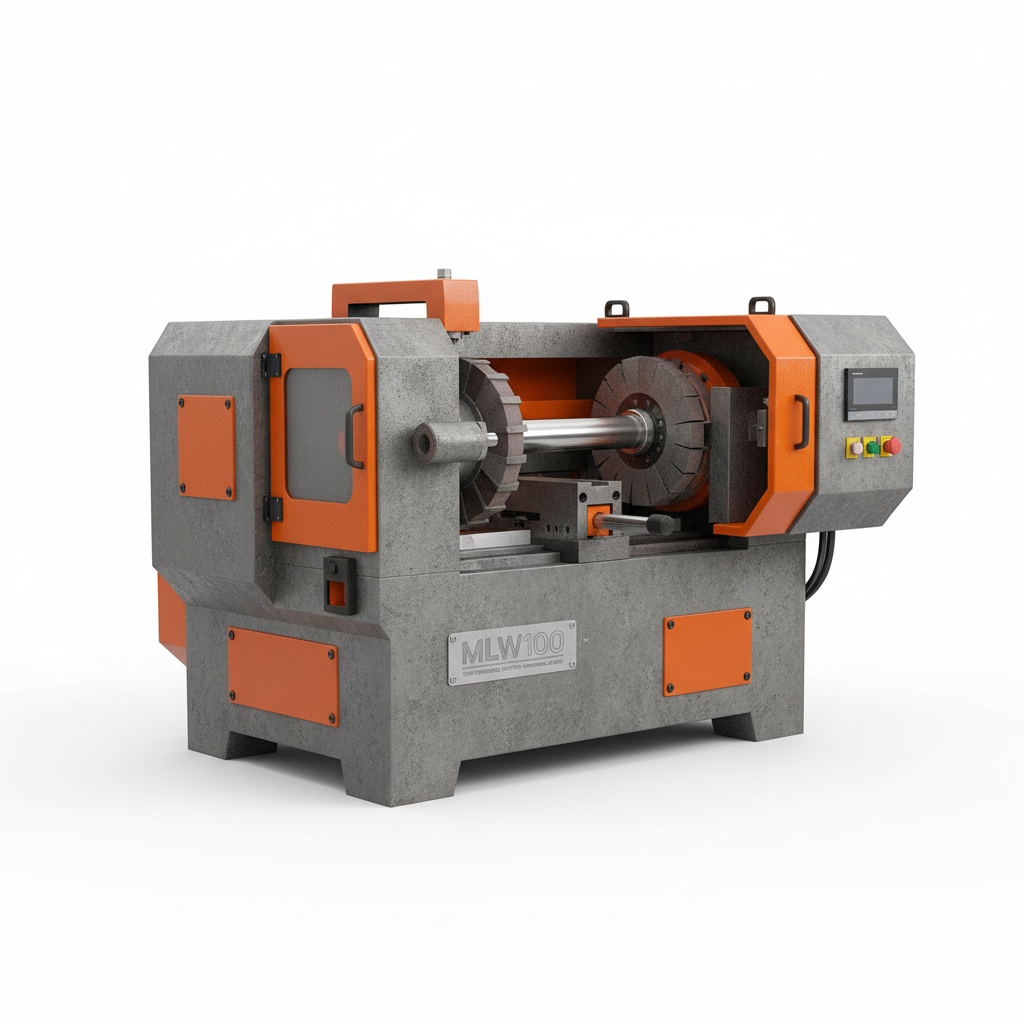
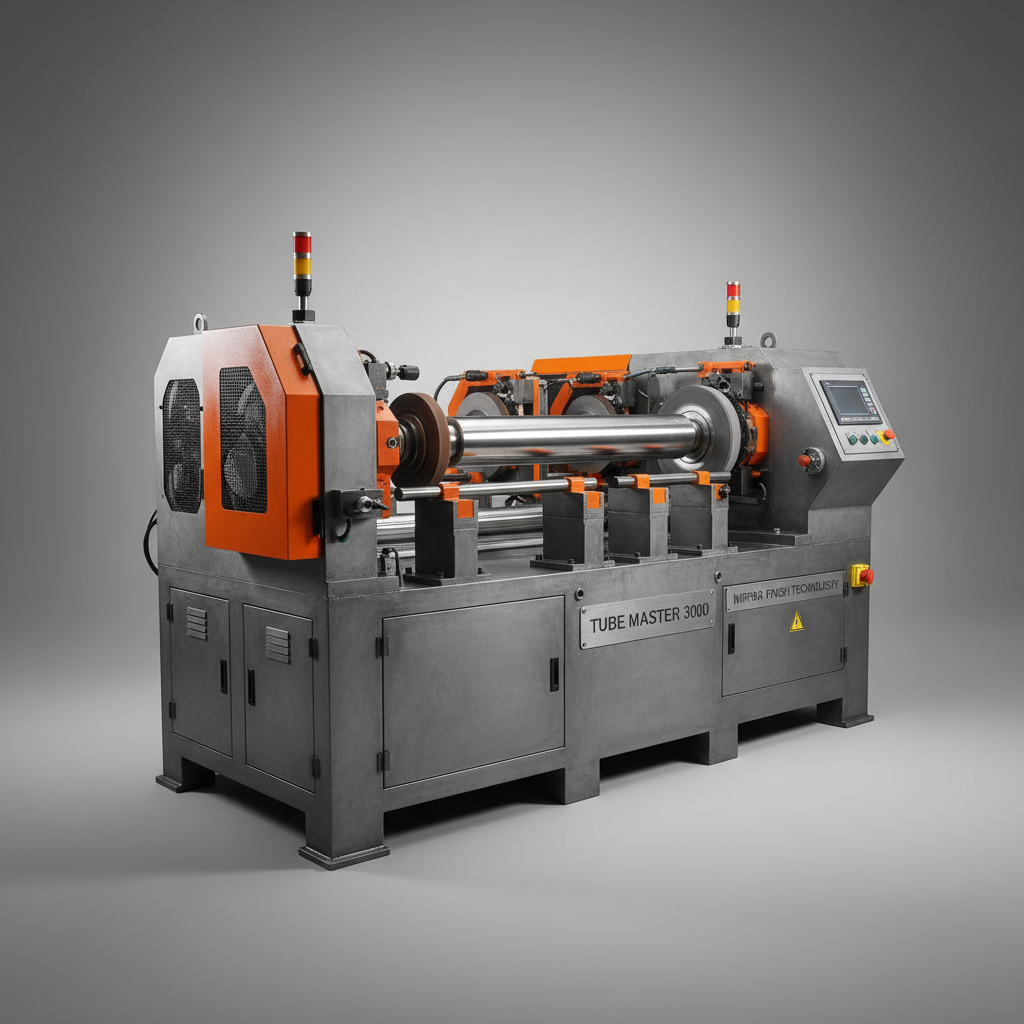
The square rectangle tube polishing machine is a specialized piece of equipment designed to remove surface imperfections – such as scratches, rust, and weld seams – from square or rectangular metal tubing. These machines utilize a combination of abrasive belts, polishing wheels, and often chemical compounds to achieve a desired level of surface finish, ranging from a satin sheen to a mirror-like polish. The process is crucial for not only improving the appearance of the tubing but also enhancing its performance characteristics.
The Importance of Square Rectangle Tube Polishing Machine
A high-quality surface finish on square and rectangular tubes is crucial in numerous applications, influencing everything from aesthetic appeal to structural integrity. The square rectangle tube polishing machine delivers this critical finishing step, ensuring consistent results and meeting stringent industry standards. Without these machines, achieving the desired level of polish would be labor-intensive, time-consuming, and prone to inconsistencies.
The importance extends beyond just the final product. Properly polished tubes exhibit reduced friction, improved resistance to corrosion, and better adhesion for coatings. This translates to longer product lifecycles, reduced maintenance costs, and enhanced overall performance. In sectors like furniture manufacturing and architectural design, the visual appeal of polished tubing is a key selling point, making the polishing process indispensable.
Global Context and Industry Relevance
The global metal fabrication industry is experiencing substantial growth, driven by demands from construction, automotive, and infrastructure projects worldwide. According to a report by the World Steel Association, global steel demand is projected to continue rising, which directly impacts the need for efficient and reliable finishing processes like square rectangle tube polishing. Countries experiencing rapid urbanization, such as those in Southeast Asia and Africa, represent significant markets for polished metal products.
The demand for stainless steel and aluminum tubing, often requiring polishing, is particularly high due to their corrosion-resistant properties. Industries like food processing and pharmaceuticals prioritize hygienic surfaces, making polishing a mandatory step. Moreover, the increasing adoption of lean manufacturing principles emphasizes the importance of streamlined processes, and automated square rectangle tube polishing machines play a vital role in optimizing production workflows.
The ISO 9001 standard, widely adopted across manufacturing sectors, emphasizes quality control and consistent performance. Utilizing a reliable square rectangle tube polishing machine is essential for adhering to these standards and ensuring product quality throughout the supply chain. Manufacturers seeking to export to international markets often require certifications demonstrating adherence to rigorous quality standards, further highlighting the relevance of these machines.
Defining a Square Rectangle Tube Polishing Machine
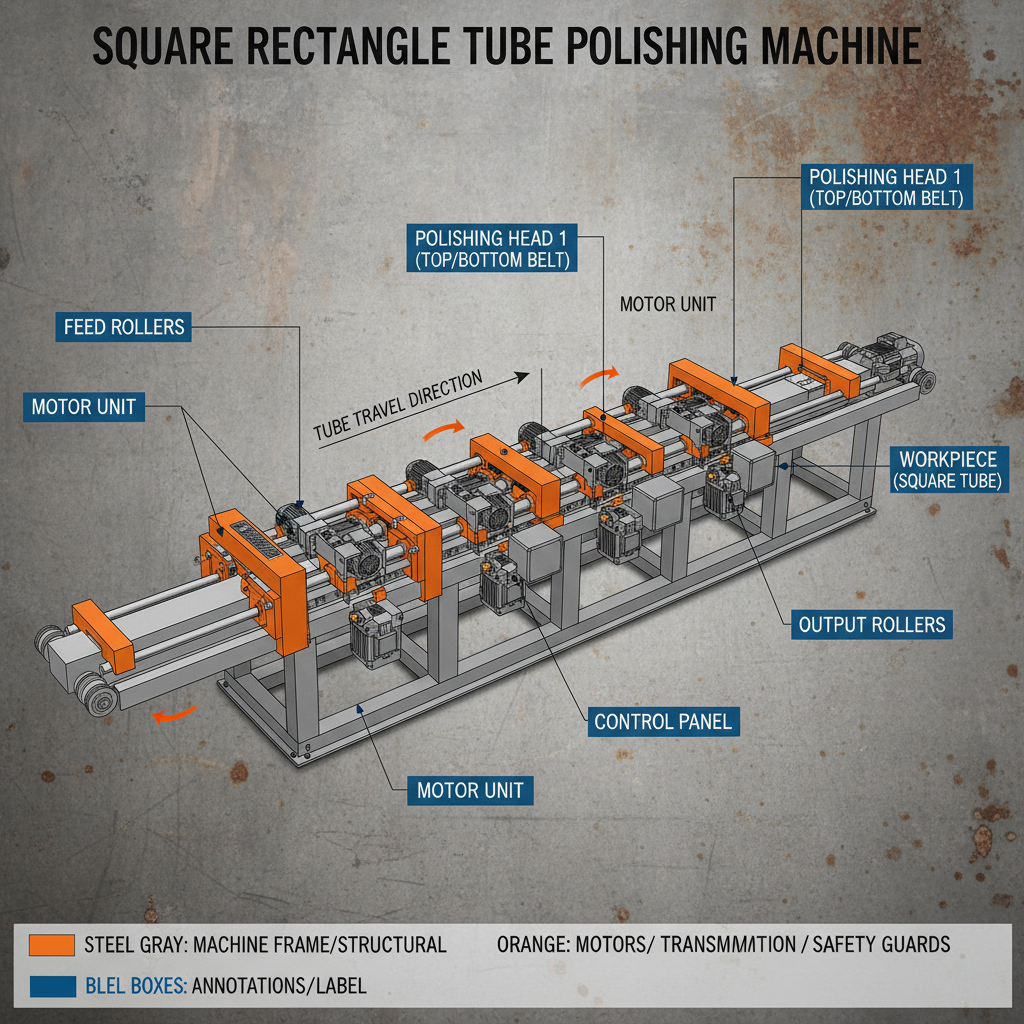
A square rectangle tube polishing machine is an automated or semi-automated system engineered to refine the surface of square or rectangular metal tubing. Unlike manual polishing methods, these machines deliver consistent results, reduced labor costs, and enhanced efficiency. They generally consist of a feed mechanism, a series of abrasive belts or polishing wheels, a control system, and often, a cleaning station.
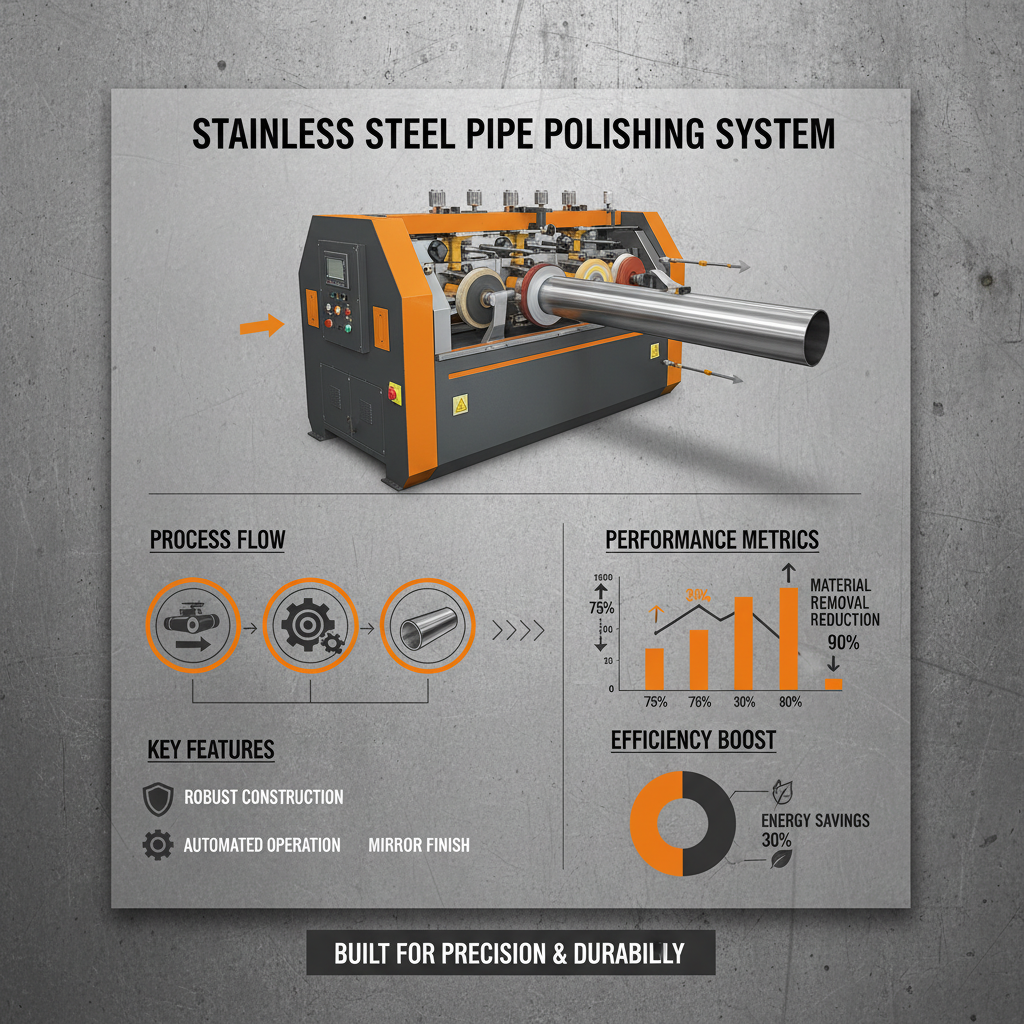
The core principle involves progressively removing surface imperfections through abrasive action. The machine guides the tube through a series of polishing stages, each utilizing different grit sizes or polishing compounds to achieve the desired finish. Modern machines often incorporate programmable logic controllers (PLCs) for precise control over speed, pressure, and polishing time, ensuring optimal results for various materials and tube dimensions.
These machines aren’t solely for aesthetic purposes. Polishing minimizes surface roughness, which in turn reduces friction and wear. This is particularly important in applications where tubes are subject to constant movement or exposure to harsh environments. A well-polished surface also improves the adhesion of paints, coatings, and other protective layers, extending the lifespan of the tubing.
Core Components and Key Factors
Several key components contribute to the effectiveness of a square rectangle tube polishing machine. The abrasive belt system, consisting of belts with varying grit levels, is fundamental for material removal and surface refinement. The tension control mechanism ensures consistent belt pressure, crucial for uniform polishing. The drive system – typically using electric motors – controls the speed and rotation of the belts and wheels.
Beyond the physical components, several factors influence the quality of the polish. These include the type of abrasive used (aluminum oxide, silicon carbide, etc.), the polishing compound, the tube material (stainless steel, aluminum, carbon steel), and the machine’s control parameters. Optimal settings must be determined based on the specific application and desired finish.
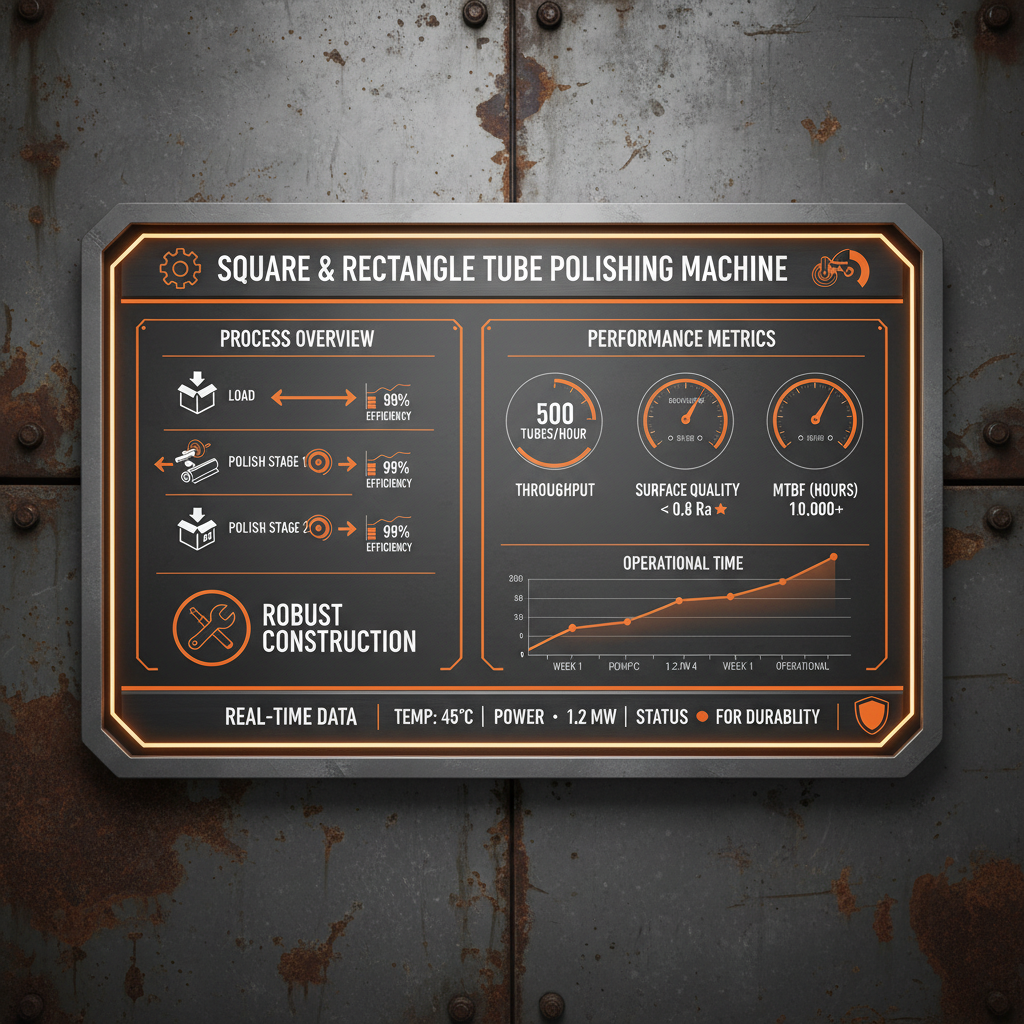
Square Rectangle Tube Polishing Machine Performance Metrics
Applications Across Industries
The applications of square rectangle tube polishing machines are remarkably diverse. In the automotive industry, they’re used to polish exhaust systems, roll cages, and decorative trim, enhancing both appearance and corrosion resistance. The construction sector utilizes polished tubing for handrails, structural supports, and architectural features, demanding both aesthetic appeal and durability.
Furniture manufacturers rely on polished tubing for chair frames, table legs, and other components, where surface finish is a key design element. In the food processing and pharmaceutical industries, the hygienic surfaces created by polishing are critical for maintaining sanitary conditions. These machines are also vital in aerospace applications, where precision finishing is paramount for ensuring component reliability.
Advantages and Long-Term Value
Investing in a square rectangle tube polishing machine offers significant advantages over manual polishing methods. Reduced labor costs, increased production speed, and consistent quality are key benefits. Automation minimizes human error, leading to fewer rejects and improved efficiency. The long-term value extends beyond cost savings.
A polished finish enhances product durability and corrosion resistance, extending its lifespan and reducing the need for replacements. Improved surface quality also promotes better adhesion for coatings and paints, further protecting the underlying metal. This translates to enhanced brand reputation, increased customer satisfaction, and a stronger competitive position.
Future Trends and Innovations
The future of square rectangle tube polishing machine technology is focused on increased automation, integration with Industry 4.0 principles, and sustainable practices. Expect to see more machines incorporating advanced sensors and machine learning algorithms for real-time process optimization. Robotic integration will become more prevalent, enabling fully automated polishing lines.
Green technologies are also gaining traction, with manufacturers exploring energy-efficient motors, water recycling systems, and environmentally friendly polishing compounds. Digital twin technology, allowing for virtual simulation and optimization of polishing processes, will become increasingly common. Furthermore, the development of self-healing polishing compounds could extend the life of polishing belts and reduce waste.
The use of artificial intelligence (AI) for defect detection and automated adjustment of polishing parameters promises to further enhance quality control and efficiency. This will allow machines to adapt to varying tube materials and geometries without manual intervention, maximizing throughput and minimizing waste.
FAQS
Dry polishing utilizes abrasive belts without liquid coolants, generating heat and dust but offering faster material removal. Wet polishing employs water-based coolants, reducing heat and dust while providing a finer finish. The choice depends on the material, desired finish, and environmental considerations. Wet polishing is often preferred for sensitive materials like aluminum, while dry polishing can be more efficient for steel.
Abrasive belt lifespan depends on the material being polished, the grit size, and the machine's usage frequency. Typically, belts need replacement every 8-40 hours of operation. Signs of wear include reduced polishing effectiveness, uneven finish, and visible damage to the belt surface. Regular inspection and timely replacement are crucial for maintaining consistent quality.
Safety is paramount. Always wear appropriate personal protective equipment (PPE) including safety glasses, gloves, and a dust mask. Ensure the machine is properly grounded and that all safety guards are in place. Never reach into the polishing area while the machine is running. Regularly inspect the machine for any signs of damage or malfunction.
Regular maintenance includes cleaning the machine, inspecting and replacing abrasive belts, lubricating moving parts, and checking the tension control system. Periodic inspection of the drive system and control panel is also recommended. Following the manufacturer's maintenance schedule ensures optimal performance and extends the machine's lifespan.
The cost varies significantly based on the machine's capacity, automation level, and features. Semi-automatic machines can range from $10,000 to $50,000, while fully automated systems can exceed $100,000. Additional costs include installation, training, and ongoing maintenance. square rectangle tube polishing machine
Yes, many square rectangle tube polishing machines are designed to handle various materials. However, different materials require different abrasive belts, polishing compounds, and machine settings. It's crucial to select the appropriate parameters for each material to achieve optimal results and prevent damage to the machine or the workpiece.
Conclusion
The square rectangle tube polishing machine is an indispensable tool for modern manufacturing, delivering significant benefits in terms of efficiency, quality, and cost-effectiveness. From automotive and construction to food processing and aerospace, these machines play a critical role in producing high-quality, durable, and aesthetically pleasing metal products. Understanding the core components, applications, and future trends associated with these machines is essential for staying competitive in today’s dynamic marketplace.
As technology continues to advance, we can anticipate even more sophisticated and sustainable polishing solutions. Investing in a square rectangle tube polishing machine is not merely a purchase of equipment; it's an investment in the future of your manufacturing processes, contributing to long-term growth, innovation, and customer satisfaction. Visit our website at www.xielizz.com to learn more about our range of solutions.