The demand for efficient and precise surface finishing is paramount across a multitude of industries, from aerospace and automotive to medical device manufacturing. A crucial tool in achieving this is the hand held tube polishing machine, which offers a versatile and cost-effective solution for deburring, polishing, and refining the interior and exterior surfaces of tubing and pipes. This technology has become increasingly important as manufacturers strive for higher quality, improved performance, and stricter regulatory compliance in their products.
Globally, the market for tube polishing equipment is experiencing significant growth, driven by the expansion of industries that rely heavily on tubular components. Reports indicate a consistent increase in demand from both established economies and emerging markets. This surge is fueled by factors such as the rising adoption of stainless steel and other corrosion-resistant alloys in various applications, and the growing need for smoother, cleaner tubing to enhance fluid flow and prevent contamination. The hand held tube polishing machine is particularly valuable in scenarios where portability and adaptability are crucial.
Understanding the principles and applications of the hand held tube polishing machine is therefore critical for professionals in manufacturing, engineering, and quality control. It is a foundational element in ensuring product integrity, extending service life, and maintaining operational efficiency. Its accessibility and ease of use make it a vital tool in a wide range of settings.
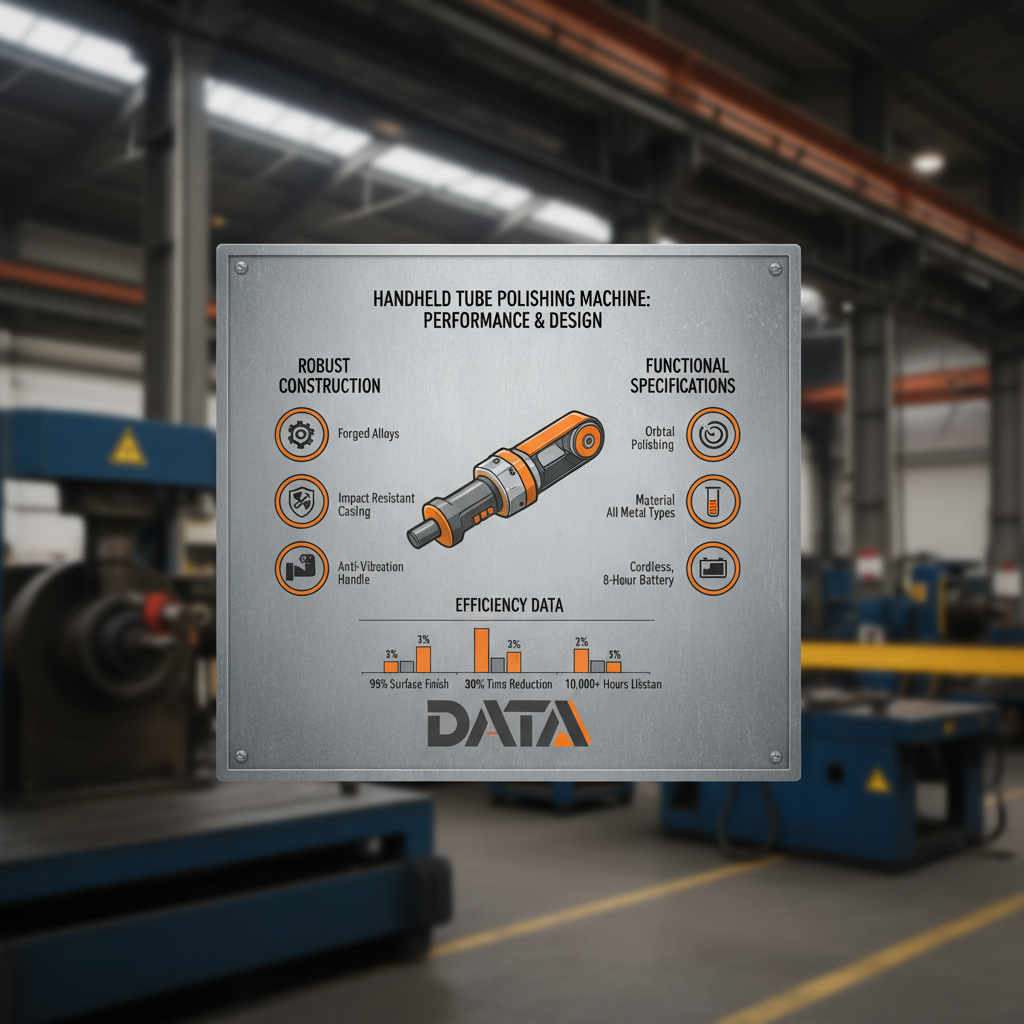
The increasing demand for high-quality, smoothly finished tubing necessitates specialized equipment. The hand held tube polishing machine plays a critical role in meeting these standards, eliminating imperfections and creating surfaces suitable for demanding applications. Its significance lies in its ability to enhance product reliability, reduce friction, and improve overall performance.
Beyond manufacturing, the hand held tube polishing machine contributes to cost savings by reducing waste and rework. A properly polished surface minimizes the risk of corrosion and wear, extending the lifespan of components and lowering maintenance expenses. This is particularly important in industries where downtime is costly and product safety is paramount.
A hand held tube polishing machine is versatile and can polish a wide array of materials, including stainless steel, aluminum, titanium, copper, and certain plastics. The effectiveness depends on selecting the appropriate abrasive compounds and polishing techniques specific to each material. Stainless steel benefits significantly from this process, achieving a bright, corrosion-resistant finish. Adjusting speed and pressure are key for optimal results on different materials.
Safety is paramount. Always wear appropriate personal protective equipment (PPE), including safety glasses, gloves, and a dust mask to protect against flying debris and abrasive particles. Ensure the work area is well-ventilated. Never operate the machine with damaged cords or components. Always disconnect the power source before making any adjustments or changing abrasive pads. Regular machine inspections are crucial.
Selecting the correct abrasive compound is vital for achieving the desired finish. Coarser grits are used for initial material removal and deburring, while finer grits are employed for smoothing and polishing. Consider the material being polished; softer materials require less aggressive compounds. Different compounds are formulated for specific metals, achieving varying levels of shine. A test area is always recommended.
The lifespan of a hand held tube polishing machine depends heavily on usage frequency, maintenance practices, and the quality of the machine itself. With regular cleaning, lubrication, and timely replacement of worn parts (like abrasive pads and brushes), a well-maintained machine can reliably operate for 5-10 years or even longer. Investing in a durable, high-quality machine initially extends its operational life.
Yes, many hand held tube polishing machine models are specifically designed for internal tube polishing. These machines often utilize flexible polishing heads and expandable abrasive pads that conform to the inner diameter of the tube. Achieving a smooth internal finish is crucial in applications like medical tubing, fluid transfer systems, and hydraulic lines. Proper technique and pad selection are essential.
Regular maintenance is key to prolonging the machine’s life. This includes cleaning the machine after each use to remove abrasive residue, lubricating moving parts as recommended by the manufacturer, inspecting cords and connections for damage, and replacing worn abrasive pads or brushes. Periodically check the speed control mechanism for proper function. Store the machine in a clean, dry environment when not in use.
In conclusion, the hand held tube polishing machine is an essential tool for achieving high-quality surface finishes in a diverse range of industries. Its versatility, portability, and cost-effectiveness make it a valuable asset for manufacturers, engineers, and technicians alike. From enhancing product performance to improving aesthetic appeal and extending service life, the benefits are substantial and far-reaching.
Looking ahead, continued innovation in materials, automation, and digital integration will further elevate the capabilities of hand held tube polishing machine technology. Embracing these advancements will enable even greater precision, efficiency, and sustainability in surface finishing processes, ensuring that this vital tool remains at the forefront of modern manufacturing. Visit our website: www.xielizz.com