The precision finishing of metal tubes is critical across a multitude of industries, from automotive and aerospace to medical device manufacturing. Achieving a consistently smooth and accurate inner diameter (ID) is often paramount for optimal performance and reliability of the finished product. The centerless tube polishing machine addresses this need by offering a highly efficient and effective method for refining tube surfaces. Its ability to deliver exceptional surface finishes, dimensional accuracy, and repeatable results makes it an indispensable tool for modern manufacturing.
Global demand for high-quality tubing continues to rise, driven by advancements in technology and increasing stringent industry standards. Sectors like oil and gas, pharmaceuticals, and power generation all rely on tubes meeting specific tolerances and surface quality requirements. This demand underscores the importance of specialized equipment like the centerless tube polishing machine, which can reliably deliver the necessary precision. According to the ISO 9001 standards, maintaining consistent quality is not merely a best practice but a requirement for many global markets.
The increasing focus on lightweighting, particularly in the automotive and aerospace industries, also fuels the need for refined tubing. Reducing weight while maintaining structural integrity relies on tubes with optimized surface characteristics. Consequently, the efficient and accurate processing afforded by a centerless tube polishing machine is becoming increasingly vital for competitiveness in these rapidly evolving markets.
Understanding Centerless Tube Polishing
Centerless tube polishing represents a significant advancement in metal finishing technology, offering superior results compared to traditional polishing methods. It fundamentally differs by supporting the tube using a floating support rather than a conventional center mandrel, preventing indentation and ensuring uniform polishing across the entire surface. This is particularly crucial for maintaining tight tolerances and achieving high levels of surface smoothness.
The core principle lies in the combined action of abrasive media, polishing belts, and precise feed control. By eliminating the central support, the process minimizes distortion and allows for the correction of minor imperfections, resulting in tubes with exceptional dimensional accuracy and superior surface finish, making a centerless tube polishing machine a vital component in industries demanding stringent quality standards.
Defining Centerless Tube Polishing Machine
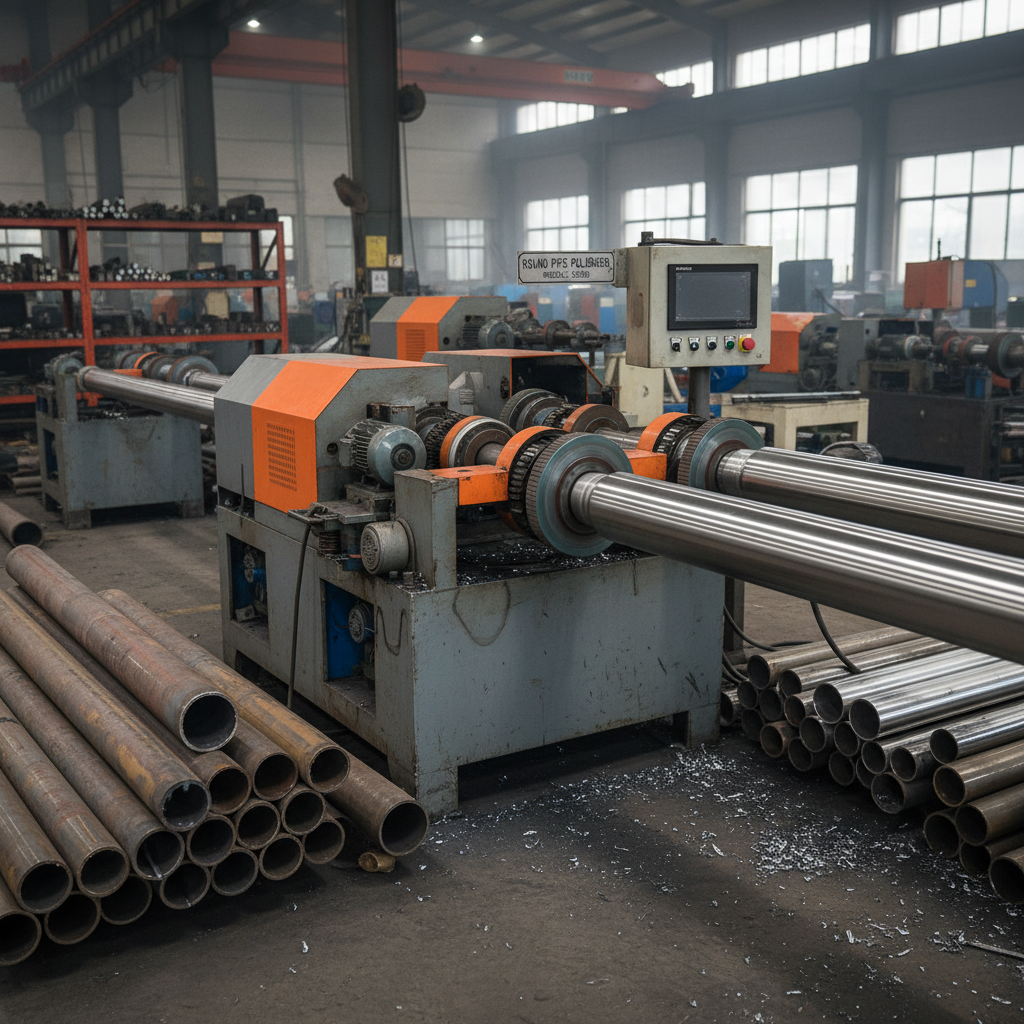
A centerless tube polishing machine is a specialized piece of equipment designed to remove surface imperfections, improve dimensional accuracy, and enhance the overall finish of metallic tubes without using a central mandrel. The machine utilizes a combination of rotating abrasive belts, polishing compounds, and precisely controlled feed mechanisms to achieve these results. This process is particularly effective for materials like stainless steel, alloy steel, aluminum, and brass.
Unlike traditional polishing methods that rely on supporting the tube from the inside, the centerless approach supports it through a series of rollers or a floating support system, minimizing distortion and ensuring a consistent polish across the entire surface. This is crucial in applications where maintaining tight tolerances and preventing material thinning are essential.
The connection to modern industry stems from the ever-increasing demands for high-precision components. In industries like medical device manufacturing, where biocompatibility and surface finish are paramount, the centerless tube polishing machine is often an indispensable part of the production process. Similarly, in aerospace, the need for lightweight, high-strength tubes with superior surface characteristics drives demand for this technology.
Core Components & Operational Principles
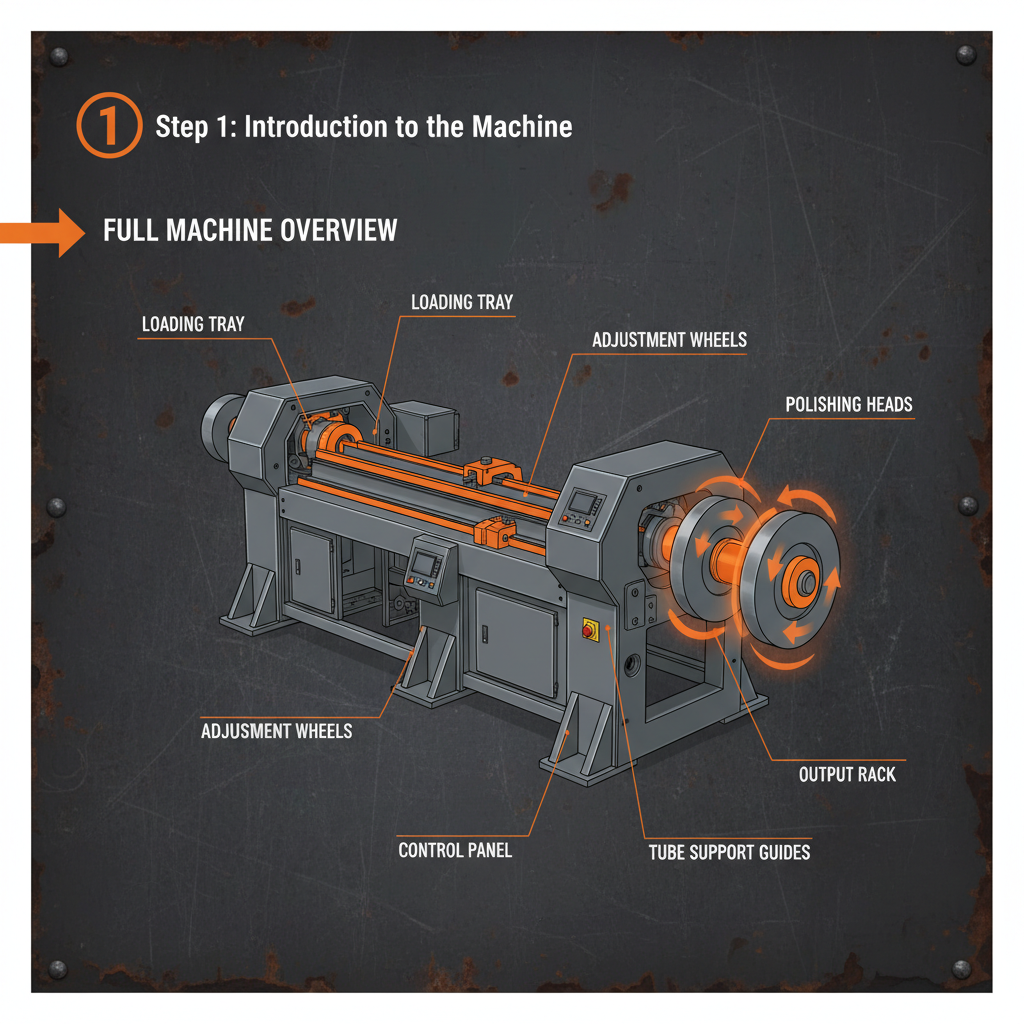
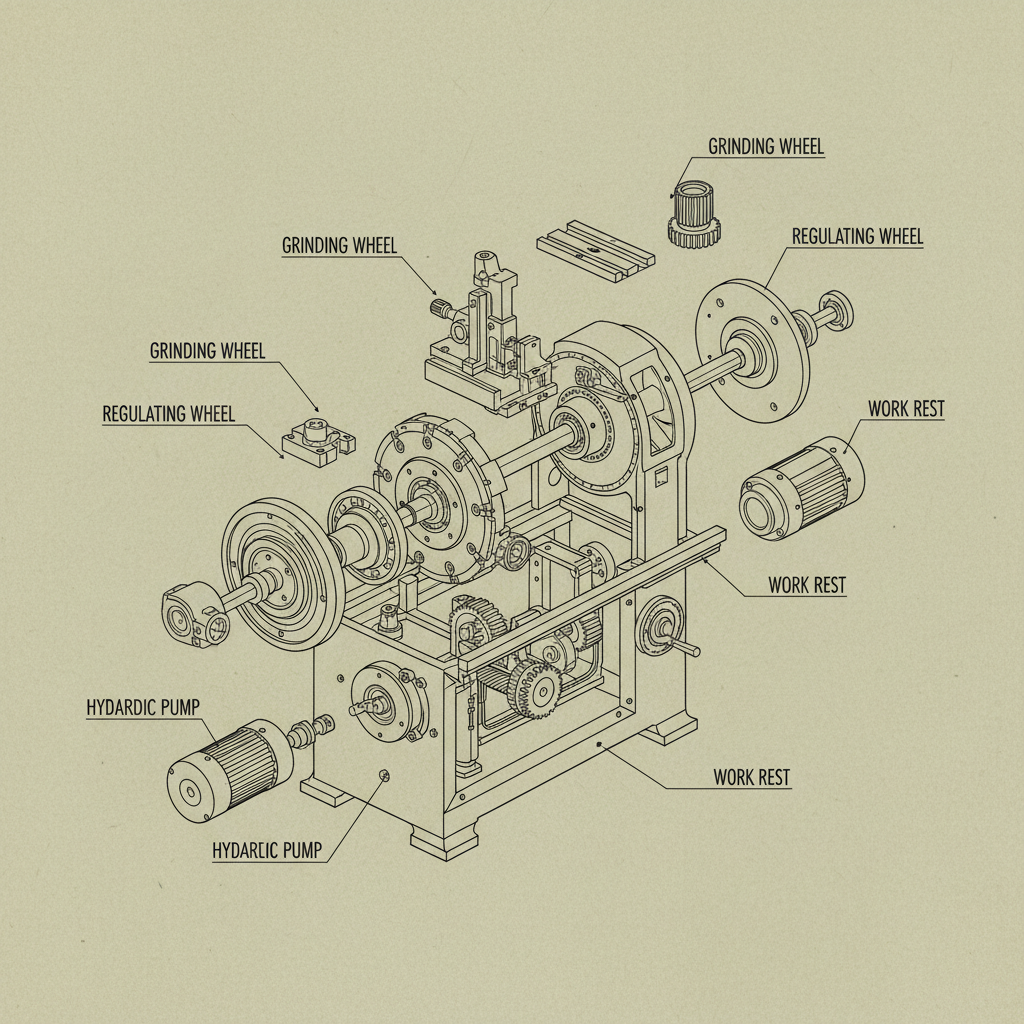
The key components of a centerless tube polishing machine include the machine bed, the rotating polishing belts, the abrasive media dispensing system, the feed control system, and the support rollers. The polishing belts, typically made of cloth or synthetic materials, are coated with abrasive compounds tailored to the specific material being polished. The feed control system accurately regulates the speed and pressure with which the tube is moved across the belts, ensuring consistent polishing.
The operational principle centers around the friction generated between the rotating polishing belts, the abrasive media, and the tube surface. This friction removes material from the tube's outer diameter, gradually smoothing and refining the surface. The floating support system prevents the tube from deforming under pressure, ensuring uniform polishing and maintaining dimensional accuracy. Precise control over these parameters is essential to achieving the desired surface finish and tolerances.
Proper selection of abrasive compounds is also vital. Different materials require different grit sizes and abrasive types to achieve optimal results. A centerless tube polishing machine manufacturer will often provide guidance on the best abrasive combinations for specific applications, ensuring efficiency and quality.
Performance Metrics and Quality Control
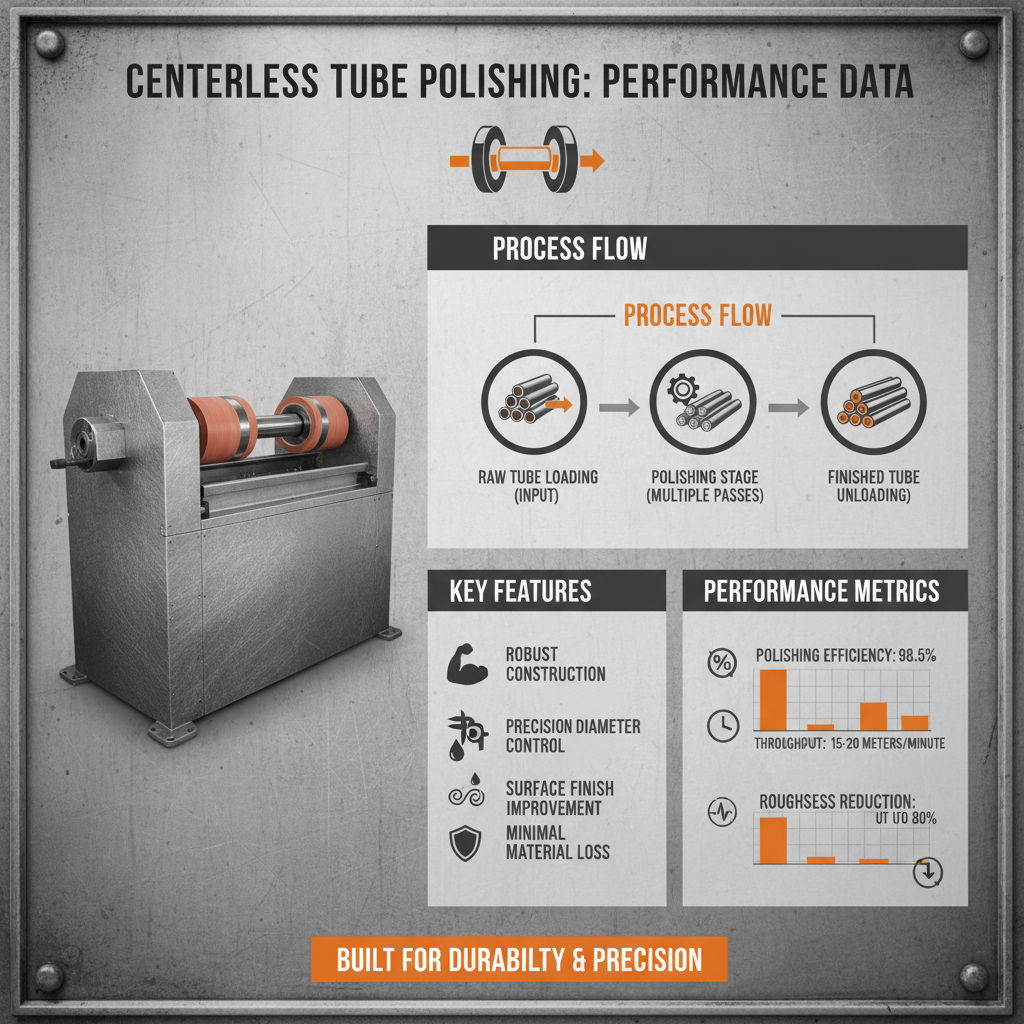
Key performance metrics for centerless tube polishing include surface roughness (Ra), dimensional accuracy (roundness and straightness), and material removal rate. Surface roughness, measured in micrometers (µm), indicates the degree of smoothness achieved. Dimensional accuracy ensures that the tube meets the required tolerances. Material removal rate determines the efficiency of the polishing process.
Quality control measures typically involve using specialized instruments such as surface profilometers, coordinate measuring machines (CMMs), and optical comparators. Surface profilometers measure surface roughness, CMMs verify dimensional accuracy, and optical comparators provide a visual inspection of the polished surface. Regular calibration of these instruments is crucial for maintaining accurate and reliable results.
Centerless Tube Polishing Machine Performance Comparison
Global Applications of Centerless Polishing
The applications of centerless tube polishing are incredibly diverse. In the medical industry, it’s used extensively for polishing hypodermic needles, surgical instruments, and implants, ensuring biocompatibility and preventing corrosion. In the automotive industry, it’s employed to polish fuel injection tubes, hydraulic lines, and shock absorber tubes, improving performance and durability.
Furthermore, the aerospace sector benefits from the precision afforded by centerless polishing for applications like hydraulic tubing and engine components. In regions with advanced manufacturing capabilities, such as Germany, Japan, and the United States, the demand for high-quality polished tubes is consistently high. Even in developing economies like China and India, where manufacturing sectors are rapidly expanding, the adoption of centerless polishing technology is on the rise.
Advantages & Long-Term ROI
The advantages of utilizing a centerless tube polishing machine extend beyond simply improved surface finish. Cost efficiency is a major benefit, as the process often reduces the need for secondary operations and minimizes material waste. Sustainability is enhanced through reduced abrasive consumption and potential for recycling polishing compounds. Furthermore, the increased reliability of polished tubes translates to fewer product failures and reduced warranty claims.
From a long-term perspective, investing in centerless polishing yields a substantial return on investment (ROI). The ability to consistently produce high-quality tubes enhances a company’s reputation, fosters customer trust, and opens doors to new market opportunities. The precision and repeatability of the process contribute to increased production efficiency and reduced downtime, further boosting profitability.
Future Trends & Innovations in Polishing
The future of centerless tube polishing is likely to be shaped by several emerging trends. Automation and robotics are poised to play an increasingly significant role, enabling greater precision, efficiency, and reduced labor costs. Digitalization, including the integration of sensors and data analytics, will allow for real-time monitoring and optimization of the polishing process.
Developments in abrasive materials, such as nano-abrasives, promise to deliver even finer surface finishes and enhanced polishing performance. Furthermore, the integration of sustainable polishing techniques, including the use of eco-friendly abrasives and closed-loop recycling systems, will become increasingly important as environmental regulations tighten. The evolution of centerless tube polishing machine technology will be crucial for meeting the evolving demands of industries across the globe.
Green energy applications, like hydrogen fuel cell components, are driving demand for tubes with ultra-high surface quality and low roughness to maximize efficiency and minimize corrosion. This will necessitate innovations in polishing techniques and equipment.
FAQS
Centerless tube polishing machines are versatile and can handle a wide range of materials, including various grades of stainless steel, carbon steel, aluminum, copper, brass, and even some specialized alloys. The selection of appropriate abrasive compounds and polishing parameters is key to achieving optimal results for each material. We can provide material-specific recommendations to ensure your machine performs at its best.
The achievable surface finish depends on the material, the initial surface condition, and the polishing parameters. However, a well-maintained centerless tube polishing machine can consistently achieve Ra values below 0.8 µm, and in many cases, even down to 0.2 µm or lower. This level of smoothness is essential for applications requiring tight tolerances and minimal friction.
Electrolytic polishing can achieve extremely smooth surfaces but is typically more expensive and slower than centerless polishing. Centerless polishing offers a better balance between cost and efficiency, especially for high-volume production runs. While electrolytic polishing is excellent for specialized applications, centerless polishing is often the more practical and economical choice for general-purpose tube finishing.
Regular maintenance includes cleaning the machine, replacing worn polishing belts, replenishing abrasive compounds, and lubricating moving parts. Periodic inspection of the feed control system and support rollers is also recommended. Following a preventative maintenance schedule will ensure optimal performance and extend the lifespan of the machine. We offer comprehensive maintenance packages to simplify this process.
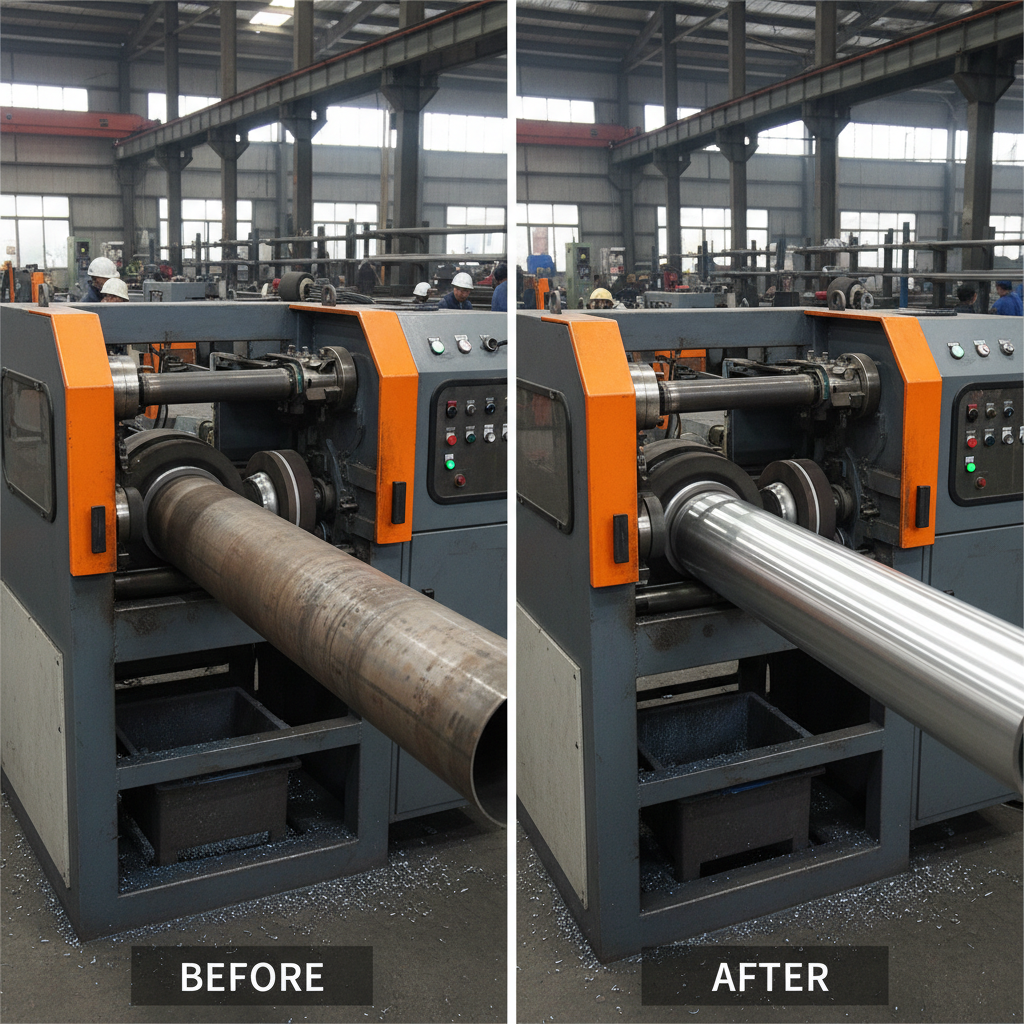
Yes, centerless polishing is effective at removing minor scratches and correcting slight ovality in tubes. The polishing process gradually removes material, leveling out imperfections and restoring the tube to its desired dimensions. However, severe imperfections may require additional pre-processing steps or may not be fully correctable.
Various levels of automation are available, ranging from semi-automatic machines with manual feed control to fully automatic systems with robotic loading and unloading. Full automation significantly increases production efficiency, reduces labor costs, and ensures consistent quality. The level of automation you choose will depend on your specific production needs and budget.
Conclusion
In conclusion, the centerless tube polishing machine represents a pivotal technology for achieving high-precision surface finishes and dimensional accuracy in a diverse range of industries. Its ability to deliver consistent quality, improve efficiency, and enhance product reliability makes it an invaluable asset for manufacturers seeking to maintain a competitive edge. From medical devices and aerospace components to automotive parts and beyond, the applications are vast and continuously expanding.
Looking ahead, the integration of automation, digitalization, and sustainable practices will further elevate the capabilities of centerless polishing. Embracing these innovations will not only optimize performance but also contribute to a more environmentally responsible and efficient manufacturing landscape. Visit our website at www.xielizz.com to learn more about our range of centerless tube polishing machines and how we can help you achieve your surface finishing goals.