Stainless tube polishing machines are critical components in numerous industries, ensuring the smooth, clean, and often sterile surfaces required for applications ranging from pharmaceutical manufacturing to food processing. The demand for these machines is directly linked to global industrial output and increasing standards for hygiene and product quality. Understanding their functionality, applications, and advancements is paramount for maintaining efficiency and innovation across diverse sectors.
Globally, the stainless steel tubing market is experiencing robust growth, fueled by infrastructure development in emerging economies and stringent regulatory requirements in developed nations. This growth inherently drives the need for high-quality polishing solutions. Stainless tube polishing machines aren’t simply about aesthetics; they’re about corrosion resistance, reduced friction, and adherence to exacting industry specifications.
Investing in the right stainless tube polishing machine can significantly impact a company’s bottom line by reducing material waste, improving production speeds, and ensuring compliance. The technology is evolving rapidly, with advancements in automation and precision offering new levels of performance and cost-effectiveness.
The Significance of Stainless Tube Polishing Machines
The importance of stainless tube polishing machines stems from the need for specialized surface finishes in critical applications. A polished surface isn’t merely aesthetically pleasing; it enhances corrosion resistance, reduces the potential for bacterial adhesion, and improves flow characteristics. This is particularly vital in industries like pharmaceuticals, biotechnology, and food and beverage processing.
Without effective polishing, the integrity and lifespan of stainless steel tubing can be compromised, leading to costly repairs, production downtime, and potential safety hazards. Investing in a robust stainless tube polishing machine is therefore a preventative measure that yields substantial long-term benefits.
Defining Stainless Tube Polishing Machines
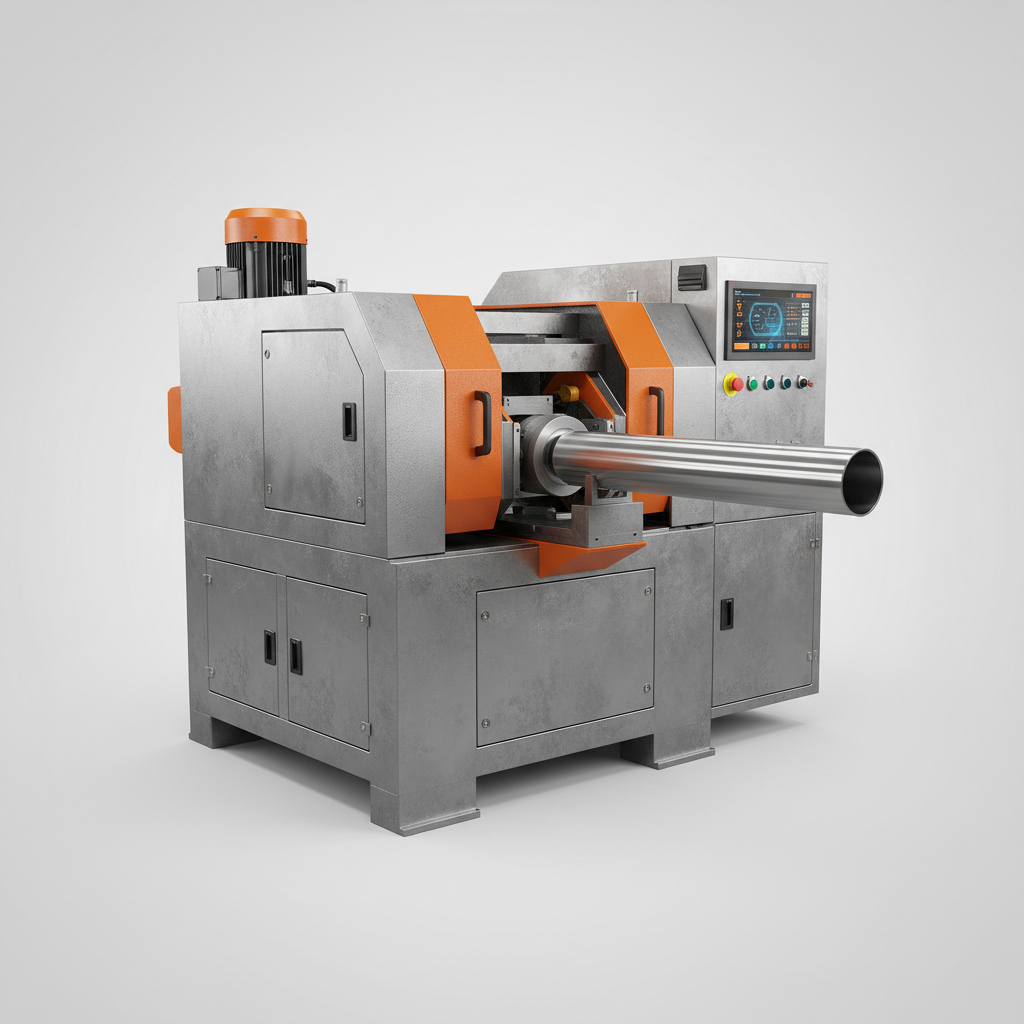
A stainless tube polishing machine is a specialized piece of equipment designed to refine the surface finish of stainless steel tubing. These machines employ a variety of abrasive materials and techniques – including belts, brushes, compounds, and sometimes chemical solutions – to remove imperfections, smooth surfaces, and achieve a desired level of polish, ranging from a matte finish to a mirror-like sheen.
The core function is to eliminate surface roughness, which can harbor contaminants, promote corrosion, and impede fluid flow. Modern machines often incorporate automated features like programmable controls, variable speed settings, and integrated cooling systems to optimize the polishing process and ensure consistent results.
The connection to modern industry and humanitarian needs lies in the widespread use of stainless steel tubing in essential systems. From potable water distribution networks to medical implants, a smooth, clean, and durable surface is crucial for public health and safety. Effective stainless tube polishing machines contribute directly to these critical requirements.
Core Components & Operational Factors
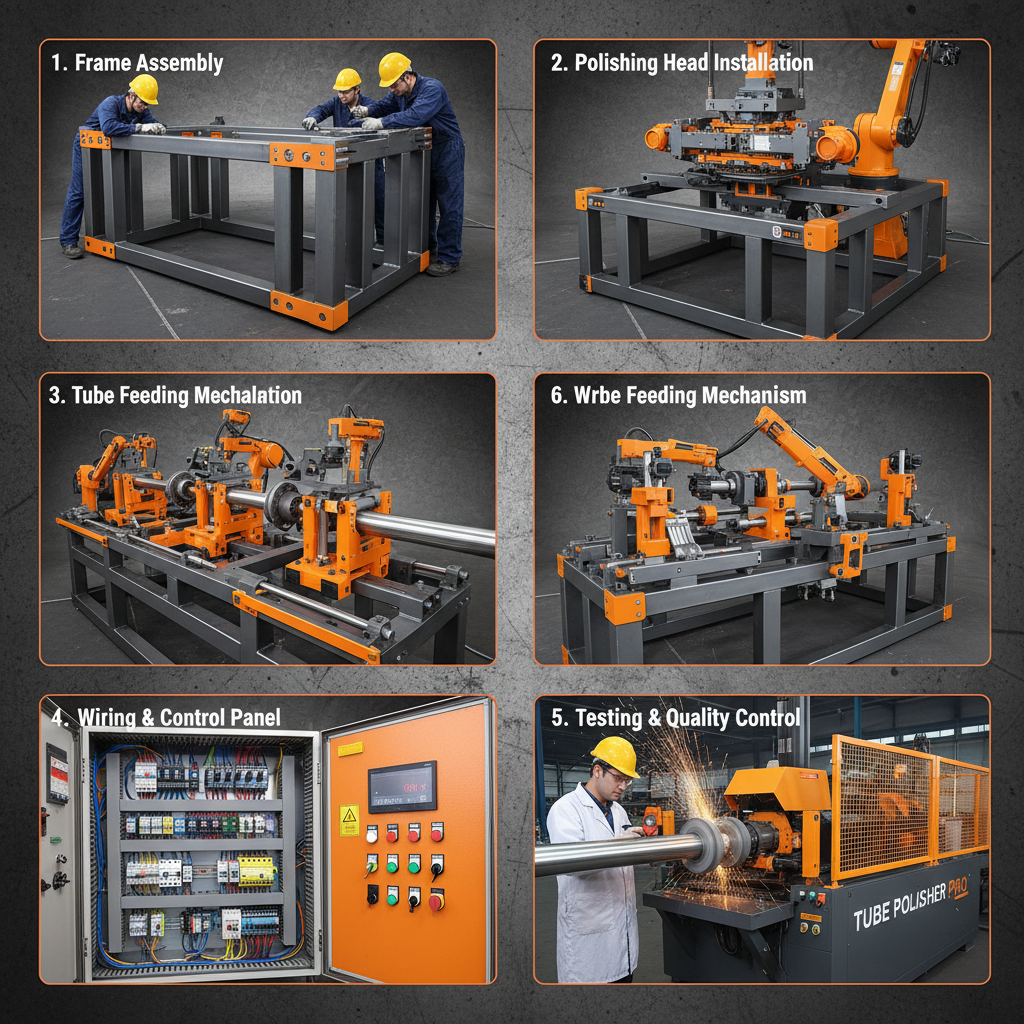
Several key factors dictate the performance and suitability of a stainless tube polishing machine. Firstly, the abrasive media used – whether it's abrasive belts, compounds, or brushes – profoundly impacts the final finish and material removal rate. Secondly, the machine’s drive system and speed control affect the consistency and precision of the polishing process.
Thirdly, the cooling system is vital for preventing overheating and maintaining the integrity of both the tubing and the polishing media. Fourth, automation features, like programmable controls and automated feed mechanisms, enhance efficiency and reduce operator fatigue. Fifth, the machine’s construction material and overall robustness ensure long-term durability and reliability.
These factors translate directly into practical applications. For instance, a machine with precise speed control is essential for polishing thin-walled tubing without deformation, while a robust cooling system is critical for high-volume production runs. Choosing a machine with the appropriate components for the specific application is key to achieving optimal results.
Global Applications & Industry Integration
Stainless tube polishing machines find application across a diverse range of industries. In the pharmaceutical sector, they are used to polish tubing for bioreactors, fermenters, and fluid transfer systems, ensuring compliance with stringent hygiene standards. Food and beverage processing relies on these machines to polish tubing for milk pipelines, juice processing lines, and breweries, preventing bacterial growth and maintaining product purity.
The automotive industry employs stainless tube polishing machines to produce high-quality exhaust systems and fuel lines. Aerospace utilizes polished tubing in hydraulic systems and fluid transport applications. Even in architectural applications, polished stainless steel tubing is used for railings, handrails, and decorative elements.
Geographically, demand is high in countries with significant manufacturing bases, such as China, Germany, and the United States. Emerging economies in Southeast Asia and Latin America are also witnessing increased demand as their industrial sectors expand. Organizations like ISO and ASTM set standards that drive the need for consistent, high-quality polishing.
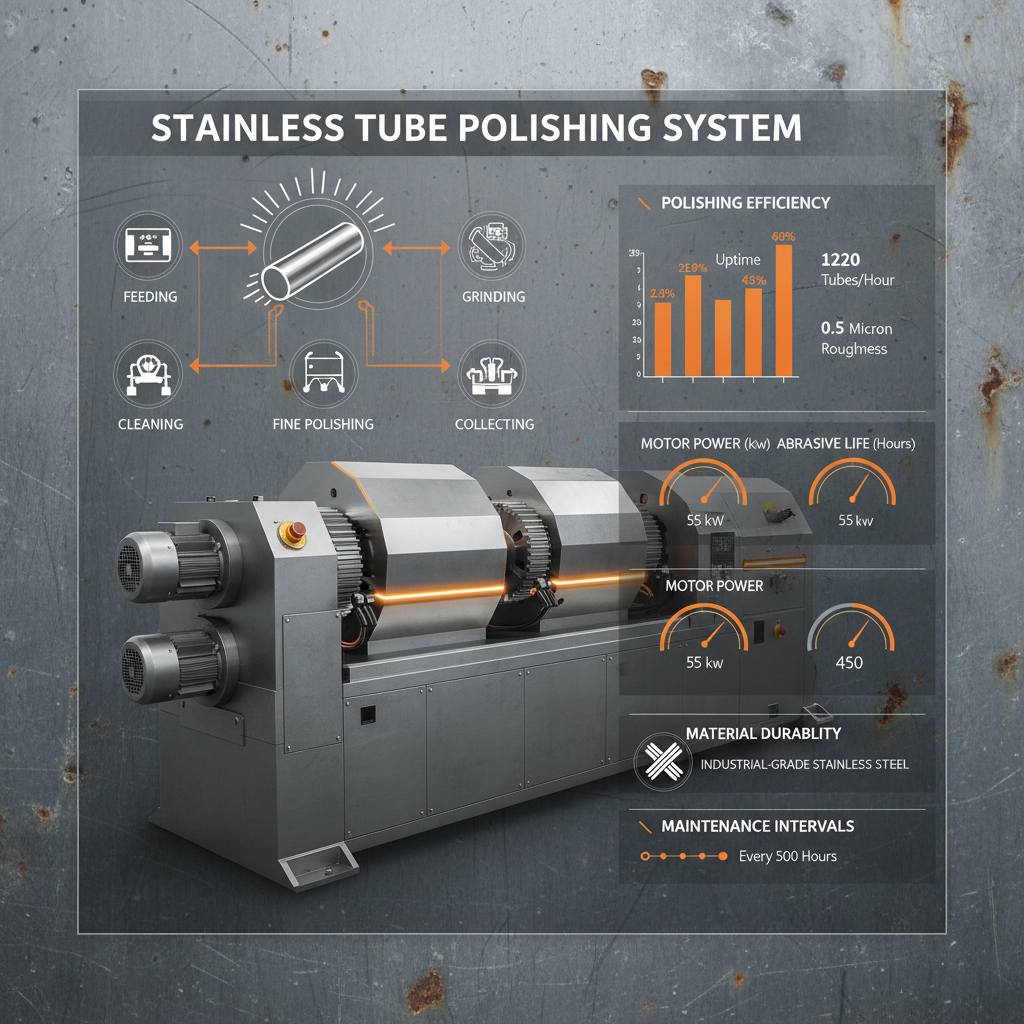
Stainless Tube Polishing Machine Performance Metrics
Advantages & Long-Term Value Proposition
Investing in a high-quality stainless tube polishing machine offers numerous tangible benefits. Cost savings are realized through reduced material waste, lower labor costs (with automated models), and extended tubing lifespan. Sustainability is enhanced by minimizing the need for frequent replacements. Reliability increases production uptime and reduces the risk of costly failures.
Beyond these practical advantages, there’s a significant element of trust and innovation. A polished surface conveys quality and professionalism, enhancing brand reputation. The ability to consistently meet stringent industry standards demonstrates a commitment to safety and compliance. Furthermore, adopting advanced polishing technologies positions a company as a leader in its field.
Future Trends & Technological Advancements
The future of stainless tube polishing machines lies in increased automation, integration with Industry 4.0 principles, and the development of more sustainable polishing processes. We’re likely to see more machines equipped with advanced sensors, machine learning algorithms, and robotic arms for precise and automated polishing operations.
Furthermore, research is ongoing into eco-friendly polishing compounds and techniques that minimize environmental impact. The use of dry polishing methods – eliminating the need for water – is gaining traction. Digital transformation will also play a role, with remote monitoring, predictive maintenance, and data analytics becoming increasingly prevalent.
Challenges and Innovative Solutions
One of the primary challenges in stainless tube polishing is achieving consistent results across different tubing sizes, shapes, and materials. Another is minimizing material removal while maintaining a high degree of polish. Controlling heat generation during the polishing process and preventing surface defects are also crucial.
Innovative solutions include the development of adaptive polishing algorithms that adjust parameters based on real-time feedback from sensors. The use of advanced abrasive materials with precisely controlled particle sizes improves consistency. Sophisticated cooling systems and optimized polishing head designs minimize heat buildup and surface damage.
Advanced stainless tube polishing machine designs incorporating multi-axis control and robotic arms allow for more complex geometries and intricate polishing patterns. The integration of artificial intelligence can further optimize the process and identify potential defects before they occur.
Summary of Common Stainless Tube Polishing Machine Issues and Solutions
| Issue |
Severity (1-10) |
Potential Root Cause |
Recommended Solution |
| Inconsistent Polish Finish |
7 |
Variable Polishing Pressure |
Implement a pressure regulation system |
| Excessive Heat Generation |
8 |
Insufficient Coolant Flow |
Upgrade cooling system & monitor coolant levels |
| Uneven Material Removal |
6 |
Worn or Damaged Polishing Belts |
Regularly inspect and replace polishing belts |
| Surface Scratches |
5 |
Contamination of Polishing Compound |
Ensure clean working environment and compound |
| High Maintenance Costs |
4 |
Lack of Preventative Maintenance |
Implement a scheduled maintenance plan |
| Slow Production Rate |
9 |
Manual Operation & Inefficient Setup |
Automate process and optimize setup routines |
FAQS
Belt polishing generally provides a higher degree of polish and is better suited for larger surface areas and removing significant imperfections. Brush polishing is more flexible for complex shapes and tighter spaces, but typically produces a less refined finish. The choice depends on the desired surface quality and the geometry of the tubing. Belt polishing excels in achieving a mirror finish, while brush polishing is effective for satin or brushed textures.
The frequency of polishing compound replacement depends on the volume of work, the type of compound, and the material being polished. However, as a general guideline, compounds should be replaced when they become contaminated, lose their abrasive properties, or start to produce an inconsistent finish. Regularly monitoring the compound's appearance and performance is crucial to maintain optimal results.
Safety is paramount. Operators should always wear appropriate personal protective equipment (PPE), including safety glasses, gloves, and respirators to protect against dust and debris. Ensure the machine is properly grounded and that all safety guards are in place. Familiarize yourself with the machine’s emergency stop procedures and follow the manufacturer's instructions carefully.
While designed for stainless steel, some machines can be adapted for other metal alloys like aluminum, brass, or copper. However, this often requires using different polishing compounds and adjusting the machine's settings to prevent damage or achieve the desired finish. It's crucial to consult the machine manufacturer and perform test runs before processing unfamiliar materials.
The cost is influenced by several factors, including the machine's automation level, capacity, features (like variable speed control and cooling systems), and the manufacturer. Larger, more automated machines with advanced features will generally be more expensive. Customization options and after-sales service also contribute to the overall cost.
Automation significantly enhances efficiency by reducing labor costs, increasing production speed, and improving consistency. Automated machines can operate continuously with minimal human intervention, minimizing errors and maximizing throughput. Programmable controls allow for precise adjustments and repeatable results, leading to higher-quality finishes and reduced material waste.
Conclusion
In conclusion, stainless tube polishing machines are indispensable tools for industries demanding high-quality surface finishes on stainless steel tubing. From pharmaceutical manufacturing to food processing and beyond, these machines play a crucial role in ensuring product integrity, hygiene, and performance. Understanding the core components, applications, and emerging trends is essential for maximizing their value and staying ahead in today’s competitive landscape.
Looking forward, advancements in automation, sustainable practices, and data analytics will further enhance the capabilities of these machines. Investing in a modern, well-maintained stainless tube polishing machine isn't simply an expenditure; it’s a strategic investment that yields long-term benefits in terms of cost savings, efficiency, and product quality.