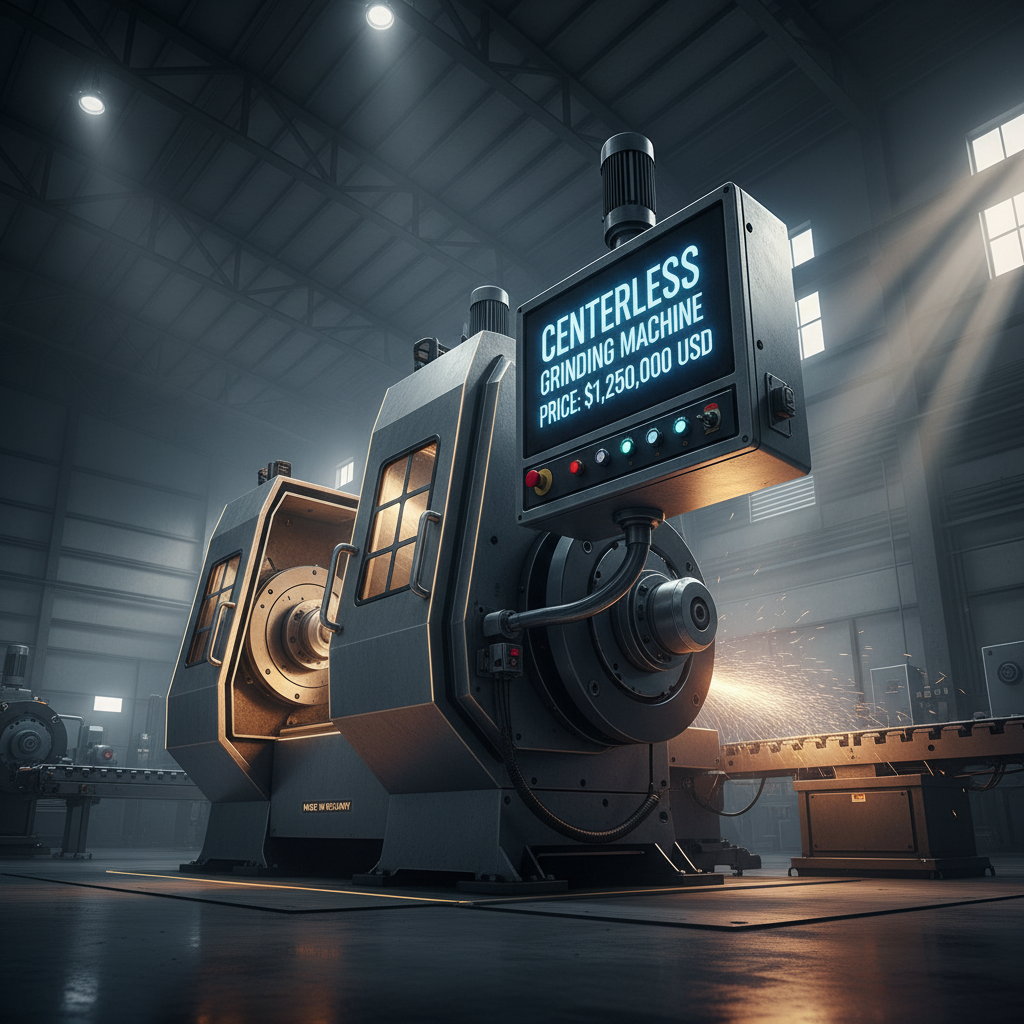
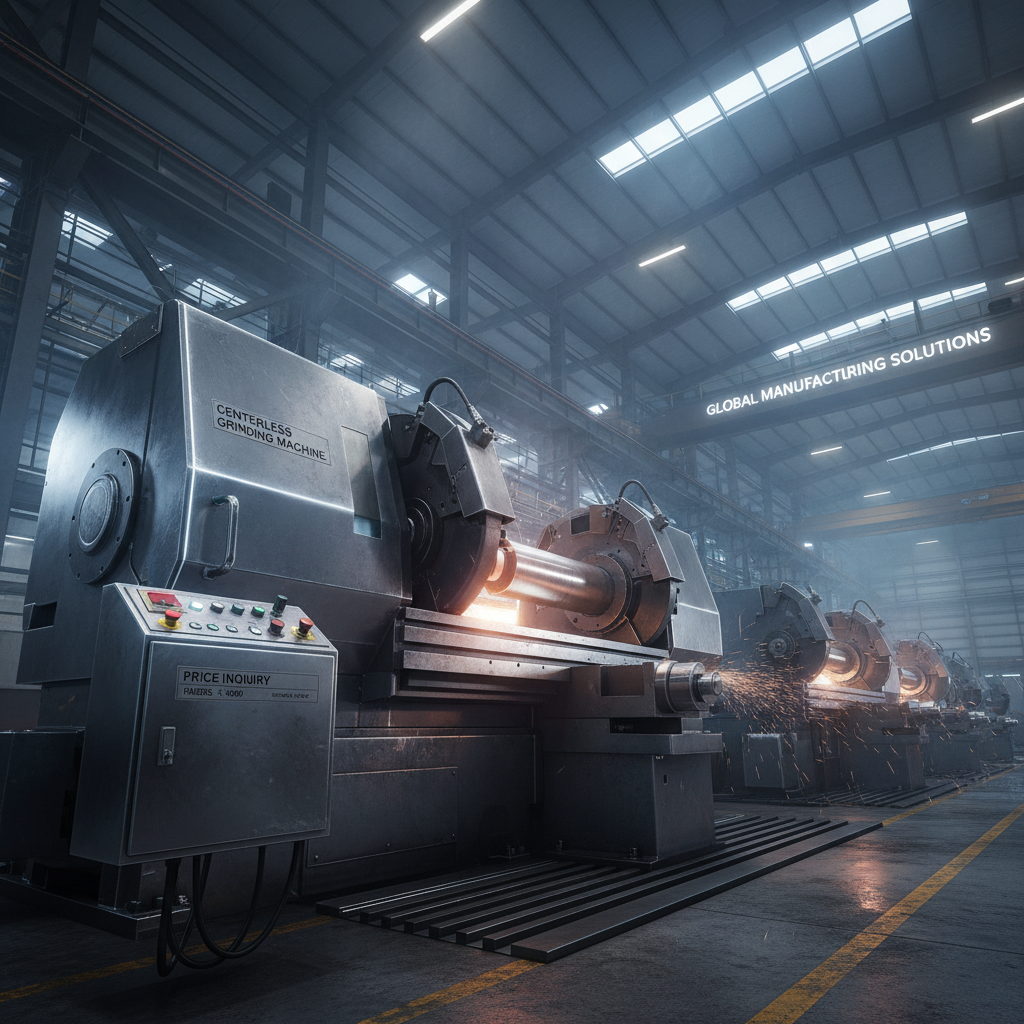
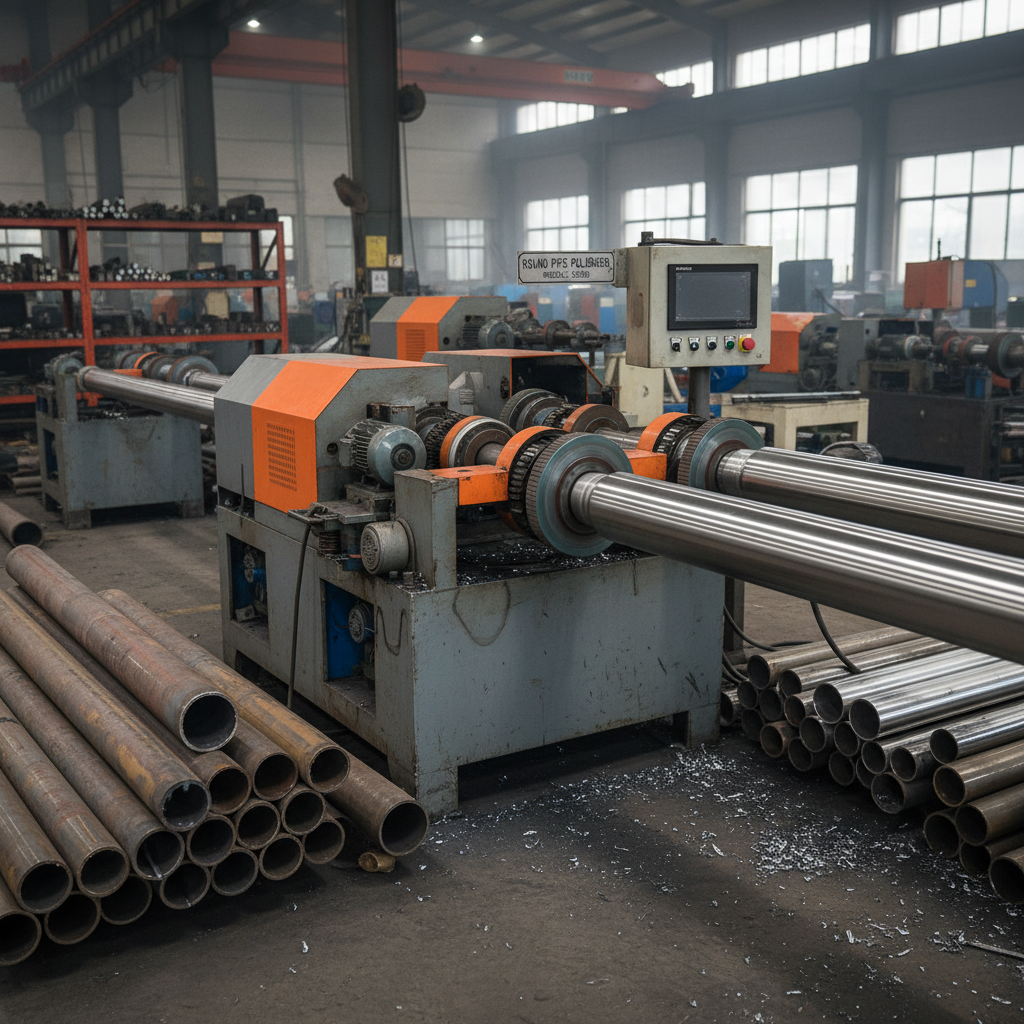
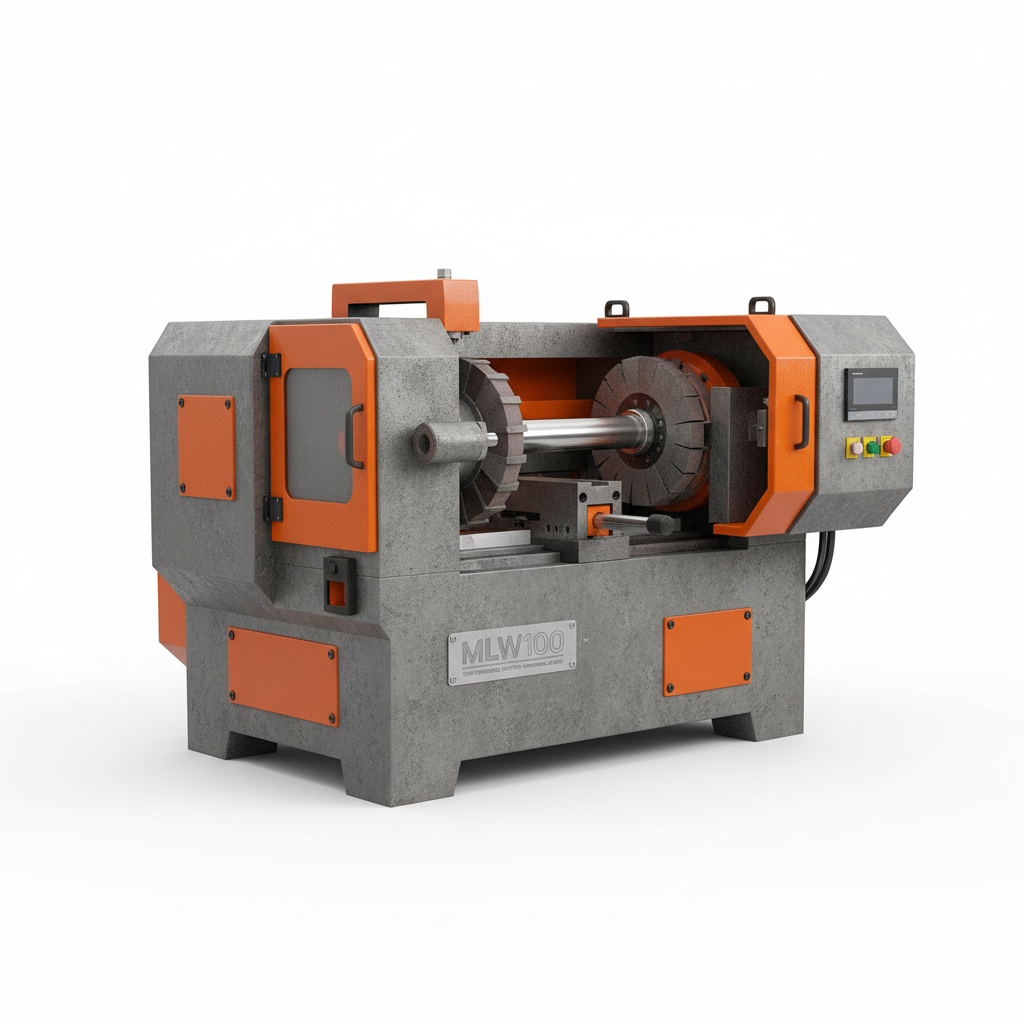
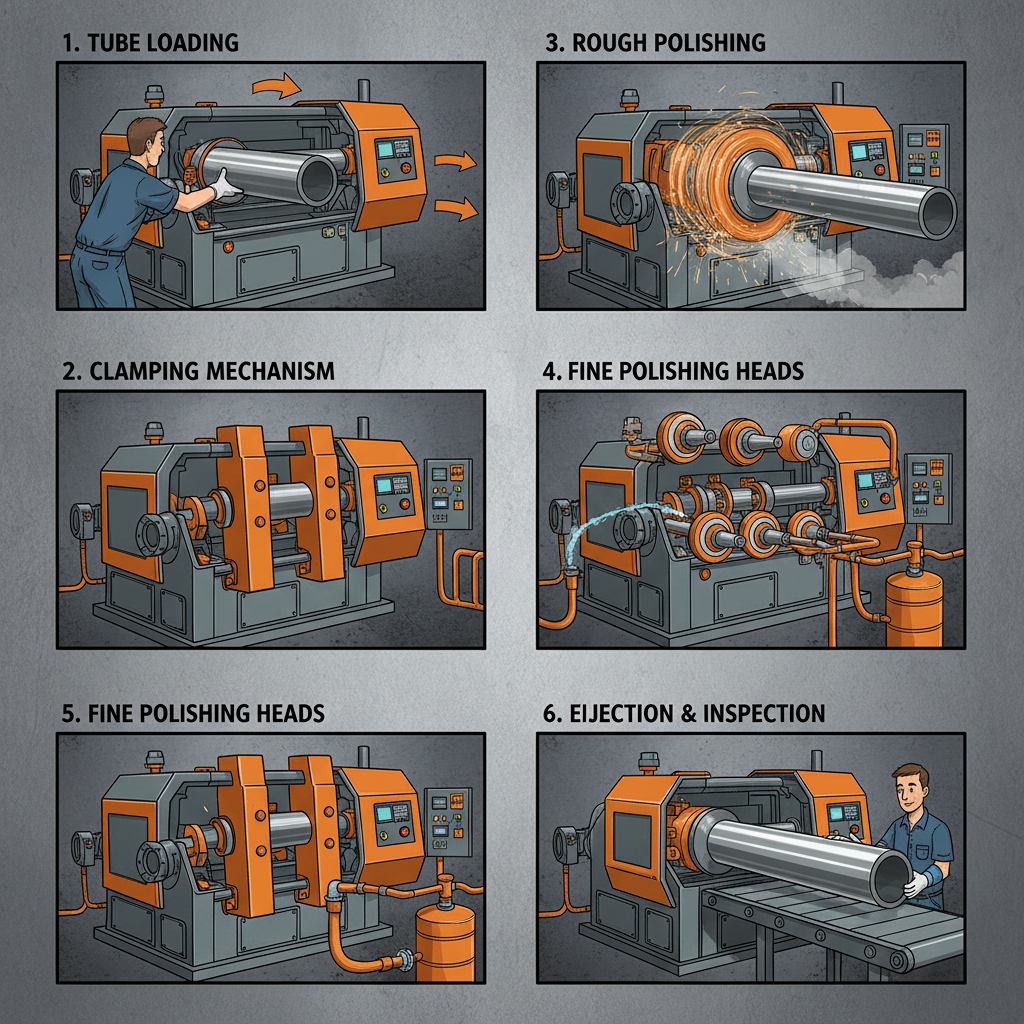
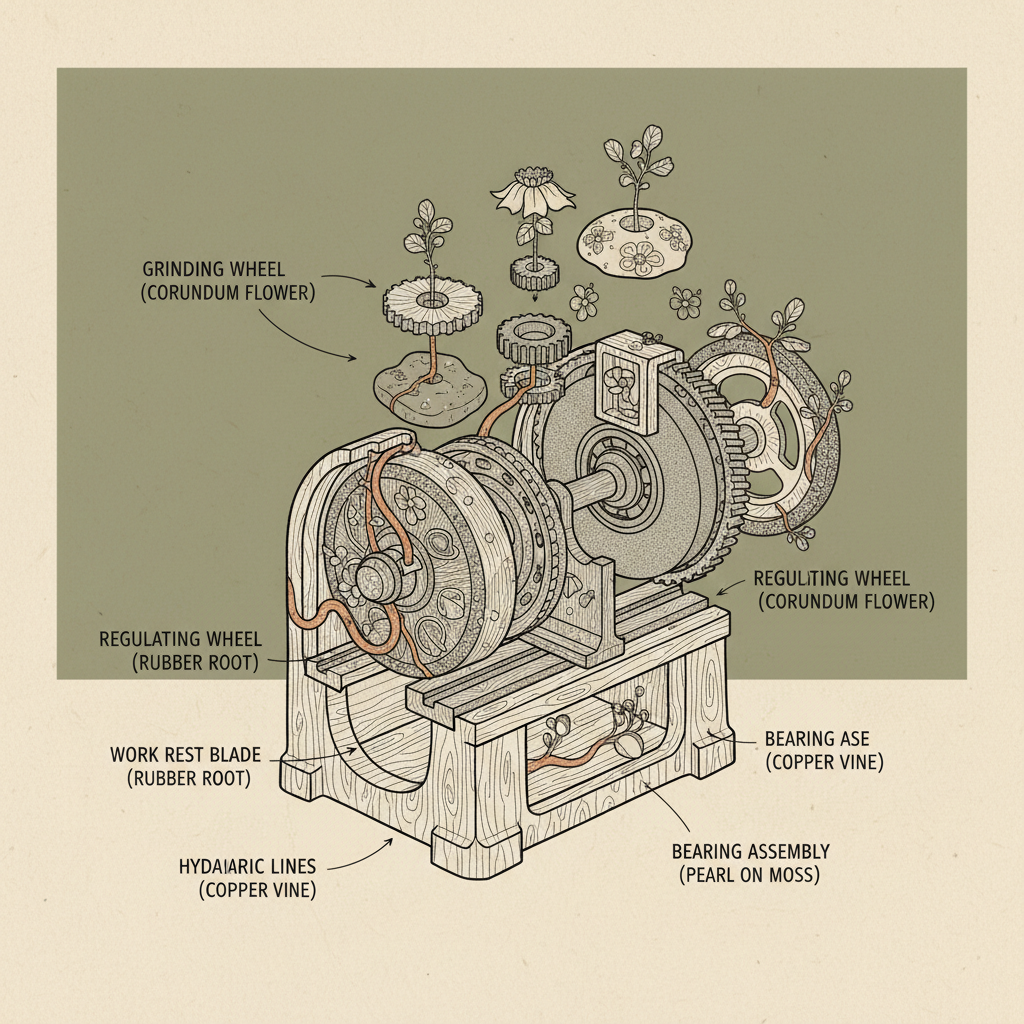
The global market for precision machining is constantly evolving, and centerless grinding machines play a crucial role in meeting the demands for high-tolerance, high-quality components. Understanding the centerless grinding machine price is vital for manufacturers across various industries, as it directly impacts production costs, efficiency, and ultimately, profitability. The price of these machines is influenced by factors like automation level, grinding wheel type, and overall machine capacity, making informed decision-making essential.
The increasing demand for precision parts in sectors like aerospace, automotive, and medical device manufacturing is driving the growth of the centerless grinding machine market. A key challenge lies in balancing the need for advanced technology with affordability, particularly for smaller businesses. Analyzing the centerless grinding machine price allows businesses to identify cost-effective solutions that meet their specific manufacturing needs and maintain a competitive edge.
Accurate evaluation of centerless grinding machine price also considers long-term operational costs, including maintenance, tooling, and energy consumption. This holistic approach ensures that the initial investment translates into sustainable value and optimized production processes. Investing in the right machine isn’t just about acquiring equipment; it’s about securing a future of consistent quality and efficiency.
Understanding the Factors Influencing Centerless Grinding Machine Price
The centerless grinding machine price isn’t a fixed value; it's a dynamic figure determined by a complex interplay of specifications and features. The level of automation is a primary driver, with fully automated machines commanding a significantly higher price tag than manual or semi-automatic models. This is due to the inclusion of advanced control systems, robotic loading/unloading capabilities, and sophisticated monitoring sensors.
Furthermore, the type of grinding wheel, its quality, and the associated dressing systems also contribute to the overall cost. High-performance ceramic or diamond wheels, while offering superior grinding capabilities and longer lifespan, are naturally more expensive than conventional abrasive wheels. The machine's capacity, measured by the maximum workpiece diameter and length it can handle, also impacts the centerless grinding machine price. Larger capacity machines require more robust construction and powerful motors, leading to higher manufacturing costs.
The Global Centerless Grinding Machine Market
The global centerless grinding machine market is experiencing steady growth, fueled by the increasing demand for precision components across various industries. North America and Europe currently represent the largest market share, owing to the presence of established automotive, aerospace, and medical device manufacturing sectors. However, the Asia-Pacific region, particularly China and India, is emerging as a high-growth market, driven by rapid industrialization and increasing manufacturing capabilities.
According to recent reports, the global centerless grinding machine market is projected to reach [insert statistics - e.g., $X billion] by [year], with a compound annual growth rate (CAGR) of [insert percentage - e.g., Y%]. This growth is attributed to factors like the rising demand for miniaturization, the increasing adoption of automated manufacturing processes, and the need for high-precision components in advanced technologies.
The competitive landscape in the centerless grinding machine market is characterized by the presence of several key players, including [list 3-5 major manufacturers]. These companies are continuously investing in research and development to introduce innovative machines with enhanced capabilities, improved efficiency, and reduced centerless grinding machine price.
Defining Centerless Grinding Machine Price
Defining centerless grinding machine price involves more than just the initial purchase cost. It encompasses a total cost of ownership (TCO) perspective, considering factors like installation, training, maintenance, tooling costs, and energy consumption. A deceptively "low" upfront price can quickly be offset by high maintenance expenses or frequent tooling replacements.
The price range for a centerless grinding machine can vary dramatically, from around $50,000 for a basic manual model to over $500,000 for a fully automated, high-precision machine. The specific price depends on the machine’s specifications, the manufacturer, and the region. Geographic location can influence the price due to transportation costs, import duties, and regional market dynamics.
Ultimately, the “true” centerless grinding machine price is the value derived from its ability to consistently produce high-quality parts efficiently and reliably over its operational lifespan. This is why a thorough cost-benefit analysis, considering both initial investment and ongoing expenses, is crucial.
Key Components Affecting Centerless Grinding Machine Price
Several core components directly impact the centerless grinding machine price. The grinding wheel is paramount – the material (aluminum oxide, silicon carbide, diamond, CBN), quality, and size all affect the cost. Higher-grade wheels offer longer life and better performance but come at a premium.
The machine’s spindle system is another critical factor. Precision spindles with high rotational speeds and low runout are more expensive but deliver superior grinding accuracy. Similarly, the sophistication of the control system – from basic manual controls to advanced CNC systems – significantly influences the price. CNC controls offer greater flexibility, automation, and precision, but also add complexity and cost.
Cost Contribution to Total Centerless Grinding Machine Price
Global Applications and Industries Utilizing Centerless Grinding
Centerless grinding is a versatile process used across a diverse range of industries. The aerospace industry relies on it for manufacturing high-precision engine components, landing gear parts, and structural elements. The automotive sector utilizes it for producing driveshafts, bearings, and hydraulic components.
The medical device industry demands extremely tight tolerances, making centerless grinding essential for manufacturing surgical instruments, implants, and other critical components. Furthermore, the hydraulic and pneumatic systems sector, along with the power generation industry, also rely heavily on this process for producing precise cylinders, rods, and shafts.
Advantages of Investing in a Quality Centerless Grinding Machine
Investing in a high-quality centerless grinding machine yields significant benefits. Superior surface finish and dimensional accuracy are paramount, leading to improved product performance and reduced scrap rates. The process is highly efficient for producing large volumes of identical parts, minimizing cycle times and maximizing throughput.
Centerless grinding is also incredibly versatile, capable of handling a wide range of materials, including steel, stainless steel, aluminum, carbide, and ceramics. This flexibility allows manufacturers to adapt to changing production needs and cater to diverse customer demands. Reduced tooling costs compared to other grinding methods further enhance the economic advantages.
Future Trends and Innovations in Centerless Grinding Technology
The future of centerless grinding technology is focused on enhanced automation, improved precision, and increased sustainability. The integration of artificial intelligence (AI) and machine learning (ML) is driving the development of self-optimizing grinding processes that automatically adjust parameters to achieve optimal results.
Digital twin technology is also gaining traction, allowing manufacturers to simulate grinding processes and predict performance before physical production begins. Furthermore, advancements in grinding wheel technology, such as the development of nano-abrasive wheels, promise even higher precision and surface finish. The move towards greener manufacturing practices is also prompting the development of more energy-efficient machines and environmentally friendly grinding fluids.
Summary of Key Challenges and Solutions in Centerless Grinding Technology
| Challenge |
Impact on Centerless Grinding Machine Price |
Potential Solution |
Cost Implication |
| Maintaining Tight Tolerances |
Requires high-precision spindles and control systems |
Implementing advanced CNC controls and vibration damping systems |
Medium - High |
| Wheel Wear and Cost |
Frequent wheel changes increase downtime and expense |
Utilizing high-quality grinding wheels and optimized dressing techniques |
Medium |
| Material Removal Rate |
Slower rates increase cycle times |
Optimizing grinding parameters and using advanced wheel materials |
Low - Medium |
| Surface Finish Quality |
Poor finish requires secondary operations |
Employing fine-grit wheels and optimizing coolant application |
Low |
| Automating Workpiece Loading/Unloading |
Increased initial machine cost |
Implementing robotic or conveyor systems |
High |
| Maintaining Coolant Quality |
Contaminated coolant reduces grinding efficiency |
Utilizing coolant filtration and purification systems |
Low - Medium |
FAQS
The level of automation, the quality of the grinding wheel, the precision of the spindle system, and the overall capacity of the machine are the primary drivers of cost. CNC controls, robotic loading/unloading, and high-performance wheels will all increase the centerless grinding machine price. The manufacturer's reputation and the level of included support services also play a role. Selecting a machine tailored to specific needs can optimize cost-effectiveness.
While automated centerless grinding machines have a higher initial centerless grinding machine price, they often lead to lower long-term costs due to reduced labor requirements, increased production efficiency, and improved part consistency. This minimizes scrap rates and reduces the need for secondary finishing operations. Automation also improves safety and reduces the risk of human error.
With proper maintenance and care, a well-built centerless grinding machine can have a lifespan of 15-20 years or even longer. Regular servicing, including spindle maintenance, lubrication, and control system updates, is crucial for maximizing longevity. Investing in a machine from a reputable manufacturer known for its build quality and support services is also important.
Ongoing costs include grinding wheel replacement, coolant maintenance, electricity consumption, and preventative maintenance services. The frequency of wheel changes depends on the material being ground and the grinding parameters. Regular coolant analysis and filtration are essential for maintaining optimal grinding performance and extending wheel life. Budgeting for these expenses is vital for accurate cost analysis.
Start by defining your specific grinding requirements, including workpiece size, material, required tolerances, and production volume. Consider the level of automation needed and the available floor space. Consult with experienced machine tool suppliers and request demonstrations to evaluate different models. A thorough cost-benefit analysis, considering both initial investment and ongoing costs, is essential.
The level of training required depends on the complexity of the machine. Manual machines typically require basic training on operation and safety procedures. CNC machines require more extensive training on programming, setup, and maintenance. Most manufacturers offer comprehensive training programs to ensure operators can effectively and safely utilize the equipment. Skilled operators are essential for achieving optimal grinding performance and minimizing downtime.
Conclusion
In conclusion, understanding the complexities of centerless grinding machine price requires considering a multitude of factors beyond the initial purchase tag. From automation levels and grinding wheel quality to ongoing maintenance and operational costs, a holistic perspective is crucial. Investing in a quality machine, tailored to specific needs, can deliver substantial long-term benefits in terms of efficiency, precision, and profitability.
As technology continues to advance, the future of centerless grinding lies in automation, AI-driven optimization, and sustainable manufacturing practices. By embracing these innovations, manufacturers can unlock new levels of productivity and competitiveness. For more information and to explore a range of centerless grinding solutions, visit our website: www.xielizz.com.