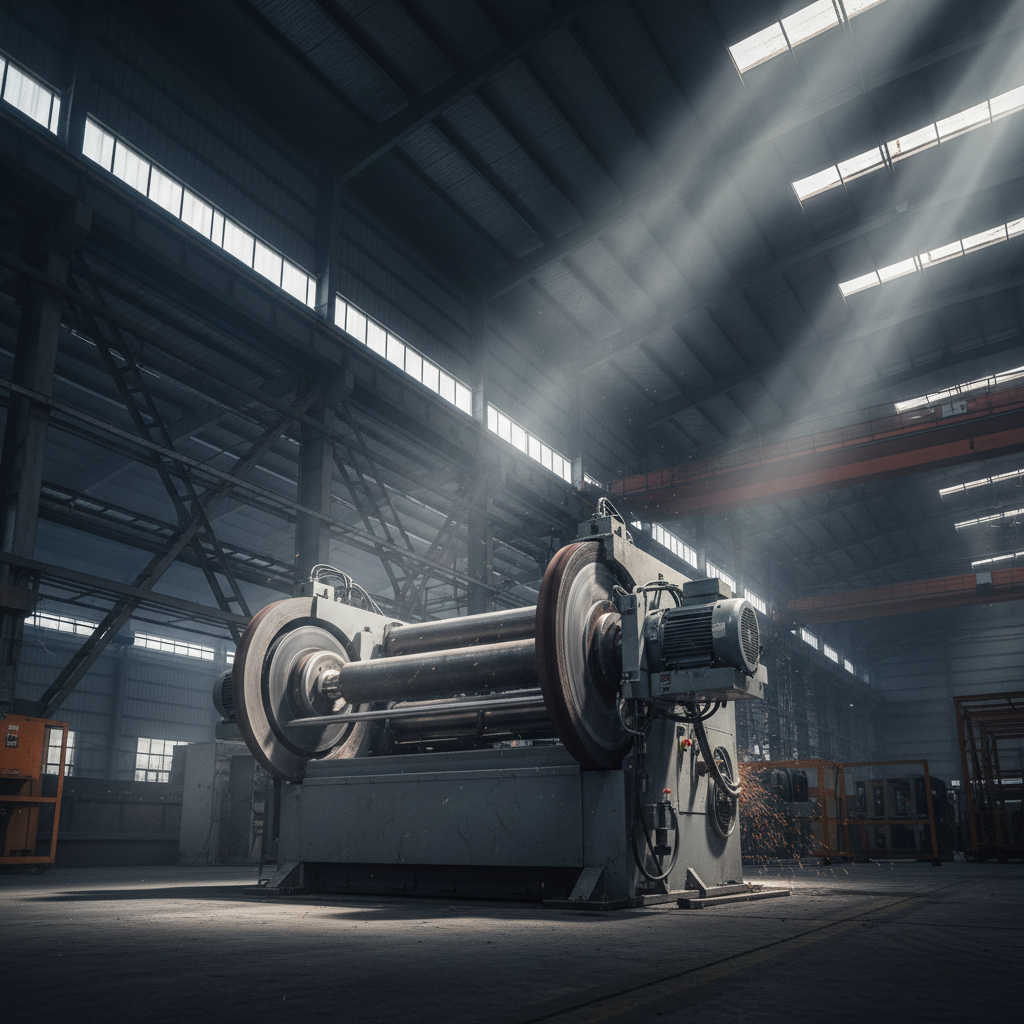
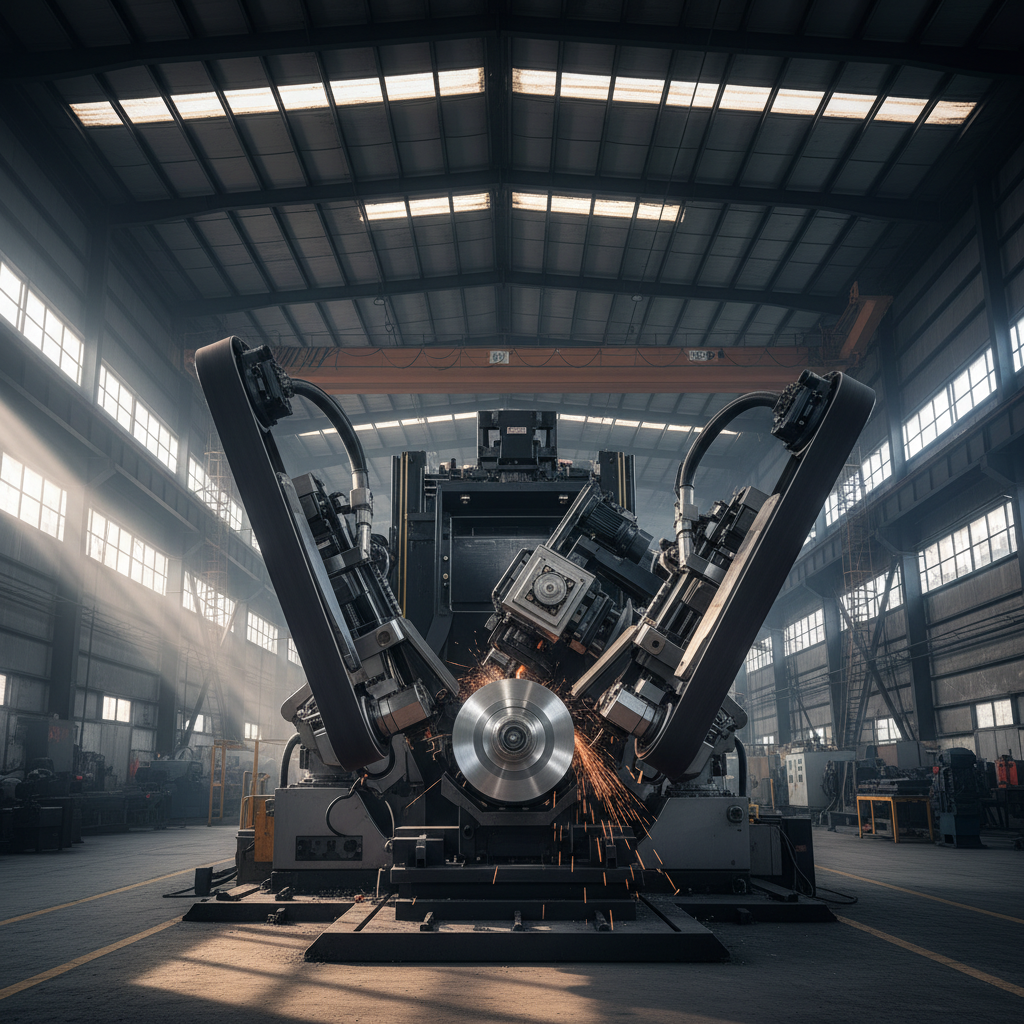
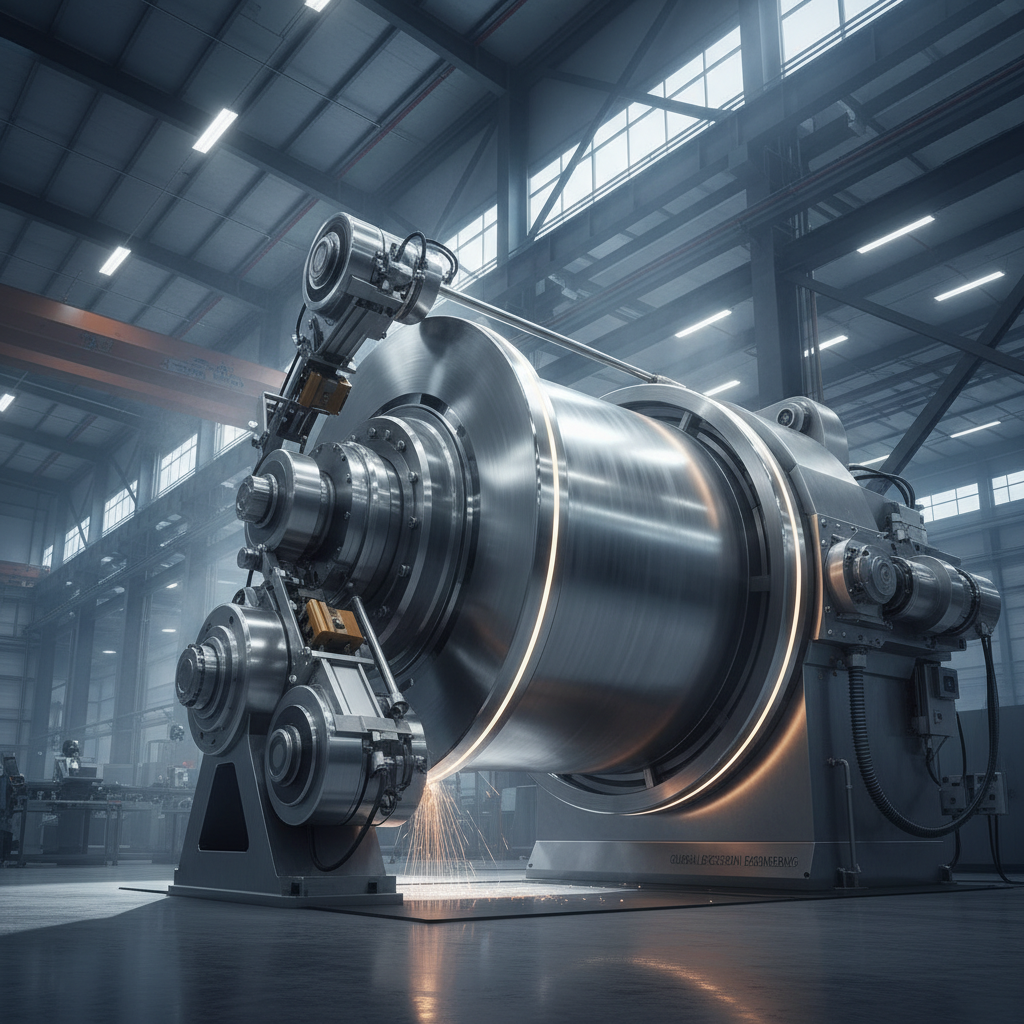
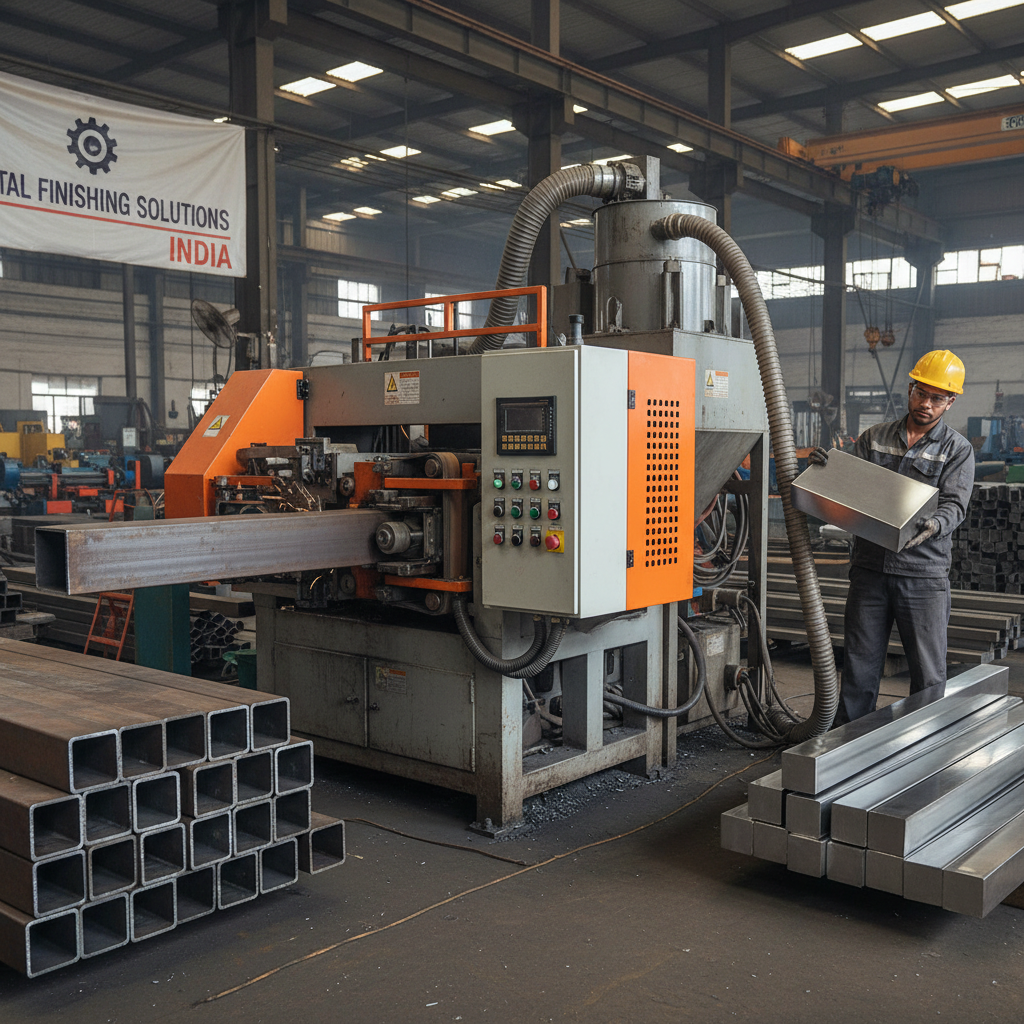
The sand belt polishing machine represents a cornerstone of modern manufacturing and surface finishing processes. Its ability to consistently and efficiently refine materials – from metals and wood to plastics and composites – impacts a vast array of industries globally. Understanding the intricacies of these machines, their applications, and emerging technologies is crucial for businesses seeking to enhance product quality, optimize production workflows, and remain competitive in a demanding market.
The demand for precision and high-quality finishes continues to grow, driving innovation in sand belt polishing machine technology. From automotive and aerospace industries requiring flawless surfaces to furniture and metalworking sectors prioritizing aesthetic appeal, the applications are diverse and expanding. This growth necessitates a deeper dive into the capabilities and potential of sand belt polishing machinery.
Investing in knowledge regarding sand belt polishing machines translates directly into increased efficiency, reduced costs, and improved product standards. Proper selection, operation, and maintenance of these machines are fundamental to realizing their full potential and ensuring long-term success within a competitive landscape.
The Importance of Sand Belt Polishing Machines
Sand belt polishing machines are vital tools in achieving precise surface finishes on a wide range of materials. They leverage abrasive belts moving at high speeds to remove imperfections, smooth surfaces, and prepare materials for further processing, such as painting, coating, or assembly. The ability to control material removal and surface texture makes them indispensable in industries requiring high levels of quality and consistency.
The effectiveness of a sand belt polishing machine hinges on several key factors, including belt grit selection, machine speed and pressure, and the overall design and robustness of the machine itself. A well-maintained and appropriately configured sand belt polishing machine can significantly enhance production efficiency and reduce material waste.
Global Relevance and Industry Context
The global market for surface finishing equipment, including sand belt polishing machines, is substantial and growing. According to recent industry reports, the global abrasive machinery market was valued at over $3.5 billion in 2023 and is projected to reach $4.8 billion by 2030, indicating a compound annual growth rate (CAGR) of 4.6%. This growth is fueled by increasing demand from automotive, aerospace, metal fabrication, and woodworking sectors.
The demand is particularly strong in emerging economies, such as China, India, and Brazil, where manufacturing output is rapidly expanding. However, challenges remain, including the need for more sustainable and environmentally friendly polishing processes, as well as the development of machines capable of handling increasingly complex geometries and materials.
The ISO standards for surface roughness and quality play a critical role in driving the adoption of precise sand belt polishing machines. Companies operating in regulated industries, such as aerospace and medical device manufacturing, must adhere to these standards to ensure product safety and performance. This underscores the importance of investing in reliable and accurate sand belt polishing equipment.
Defining Sand Belt Polishing Machines
A sand belt polishing machine is a power tool designed to smooth and refine surfaces using abrasive belts. These belts consist of a backing material (typically cloth or paper) onto which abrasive particles (such as aluminum oxide, silicon carbide, or zirconia) are bonded. The machine operates by drawing the belt across the workpiece at high speed, removing material and creating a smooth, polished finish.
The connection to modern industry stems from the need for consistent, high-quality surface finishes in manufacturing processes. From preparing metal parts for painting to smoothing wood for furniture construction, sand belt polishing machines are essential for achieving desired aesthetic and functional characteristics. Without these machines, the production of many modern goods would be significantly slower and more costly.
In the context of humanitarian needs, although not a direct application, the ability to efficiently manufacture and repair essential components – from medical equipment to infrastructure materials – relies heavily on the precision achievable with sand belt polishing machines. This precision contributes to the durability and reliability of vital tools and structures in challenging environments.
Key Factors in Sand Belt Polishing Machine Performance
Several key factors influence the performance and effectiveness of a sand belt polishing machine. Belt Grit: The size of the abrasive particles on the belt dictates the material removal rate and the final surface finish. Coarser grits are used for rapid material removal, while finer grits are used for polishing and achieving a smooth surface. Machine Speed: The speed at which the belt travels directly impacts the efficiency of the polishing process.
Belt Tracking: Proper belt tracking ensures the belt remains centered on the machine’s rollers, preventing slippage and uneven wear. Pressure Control: Consistent pressure application is crucial for achieving a uniform finish. Adjustable pressure settings allow operators to optimize the process for different materials and desired results.
Sand Belt Polishing Machine Performance Metrics
Real-World Applications and Global Use Cases
Sand belt polishing machines are widely used across diverse industries globally. In the automotive sector, they prepare car bodies for painting and ensure a smooth, flawless finish. Aerospace manufacturers rely on these machines to polish critical engine components and aircraft surfaces to exacting standards. Metal fabrication shops employ sand belt polishing machines to remove weld seams, deburr edges, and create polished surfaces on metal products.
The woodworking industry utilizes sand belt polishing machines to smooth furniture parts, prepare wood for staining or painting, and achieve a high-quality finish. In regions like Germany and Italy, known for their precision engineering and woodworking, sand belt polishing machines are essential tools in maintaining high manufacturing standards.
Advantages and Long-Term Value Proposition
Investing in a quality sand belt polishing machine offers numerous tangible benefits. Reduced labor costs due to faster and more efficient polishing. Improved product quality and consistency, leading to increased customer satisfaction. Minimization of material waste through precise material removal. The increased production throughput contributes directly to higher profitability.
Beyond the financial advantages, a sand belt polishing machine fosters a safer work environment by reducing the need for manual polishing operations. The reliability and durability of modern machines translate to lower maintenance costs and reduced downtime, solidifying their long-term value proposition.
Future Trends and Technological Innovations
The future of sand belt polishing machine technology is focused on automation, sustainability, and increased precision. Automated sand belt polishing systems are being developed to reduce labor costs and improve consistency. These systems utilize robotic arms and advanced sensors to control the polishing process with greater accuracy.
The trend towards eco-friendly materials and processes is driving the development of water-based abrasive belts and dust collection systems to minimize environmental impact. Digitalization is also playing a key role, with machines incorporating sensors and data analytics to optimize performance and predict maintenance needs.
Furthermore, advancements in belt materials, such as micro-structured abrasive belts, are enabling even finer surface finishes and more efficient material removal. These innovations promise to enhance the capabilities of sand belt polishing machines and expand their applications across a wider range of industries.
Core Performance Parameters of Sand Belt Polishing Machines
| Material Compatibility |
Surface Finish Quality |
Operating Efficiency |
Maintenance Requirements |
| Steel/Alloy |
8/10 (Excellent) |
7/10 (Good) |
Moderate |
| Aluminum |
9/10 (Exceptional) |
8/10 (Very Good) |
Low |
| Wood (Hardwood) |
7/10 (Good) |
6/10 (Average) |
Moderate |
| Plastic (ABS) |
6/10 (Average) |
5/10 (Fair) |
Low |
| Titanium |
9/10 (Exceptional) |
7/10 (Good) |
High |
| Composites |
7/10 (Good) |
6/10 (Average) |
Moderate |
FAQS
The optimal grit for paint removal depends on the paint's thickness and adhesion. Start with a coarser grit (e.g., 60-80) for heavy buildup, then progress to finer grits (e.g., 100-120) to smooth the surface. Always test a small area first to avoid damaging the underlying material. Safety precautions, including wearing a respirator, are crucial during paint removal.
The lifespan of a sand belt varies depending on usage and material being polished. Replace the belt when it becomes clogged with debris, loses its abrasive qualities, or shows signs of tearing. Regularly inspecting the belt during operation is the best practice. A dull or damaged belt reduces efficiency and can compromise the finish quality.
Open-coat belts have spaces between the abrasive grains, making them ideal for softer materials and applications where clogging is a concern. Closed-coat belts have a denser abrasive coating, providing a more consistent finish on harder materials. Selecting the appropriate belt type depends on the workpiece material and desired result.
Belt tracking issues often stem from uneven belt tension or misaligned rollers. Ensure the belt is properly tensioned according to the manufacturer's instructions. Check that the rollers are clean and free of debris. Minor tracking adjustments can often be made using the machine's tracking control knobs.
Always wear safety glasses or a face shield to protect your eyes from flying debris. A dust mask or respirator is essential to prevent inhalation of abrasive particles. Wear appropriate clothing and avoid loose garments. Keep hands clear of the sanding belt and ensure the machine is properly grounded.
While sand belt polishing machines are generally best suited for flat surfaces, specialized attachments and techniques can be employed to polish curved surfaces. Using a flexible backing pad and contour-following belt can allow for controlled polishing on curved areas. However, achieving a consistent finish on complex curves may require additional manual refinement.
Conclusion
In conclusion, the sand belt polishing machine stands as a vital component of modern manufacturing, offering unparalleled efficiency, precision, and versatility in surface finishing. From automotive and aerospace to woodworking and metal fabrication, its applications are widespread and continue to expand. Understanding the key factors influencing its performance, staying abreast of emerging technologies, and prioritizing safety are crucial for maximizing its long-term value.
Looking ahead, the integration of automation, sustainable materials, and digital technologies promises to further revolutionize the sand belt polishing process. By embracing these innovations, businesses can enhance product quality, reduce costs, and minimize environmental impact, solidifying their competitive advantage in a dynamic global market.