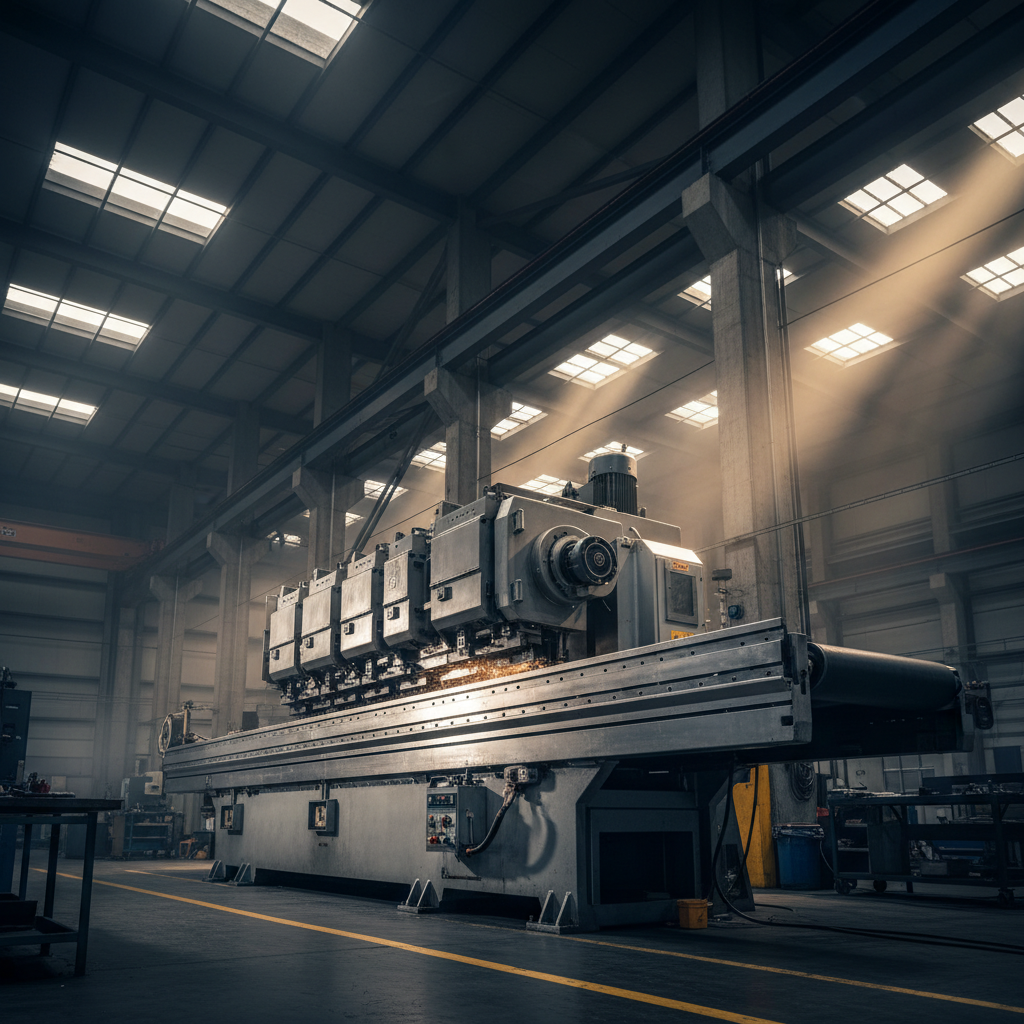
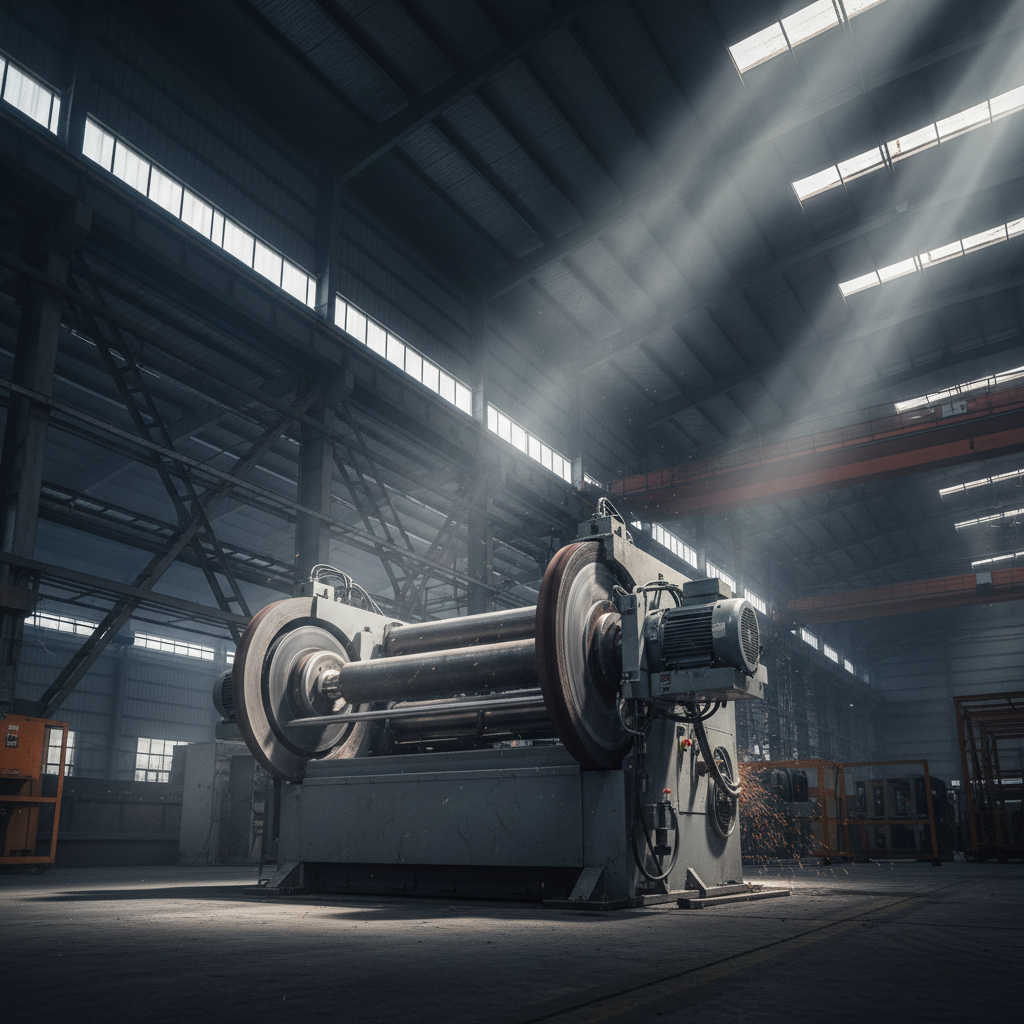
Tube polishing machine products represent a crucial component in numerous industrial processes, ensuring the integrity and efficiency of tubing used across diverse sectors. These machines, ranging from basic manual units to highly sophisticated automated systems, are vital for achieving precise surface finishes, removing imperfections, and preparing tubes for specialized applications. The global demand for high-quality tubing, driven by industries like aerospace, automotive, medical devices, and oil & gas, directly fuels the need for advanced and reliable tube polishing machine products.
The significance of tube polishing machine products extends beyond mere aesthetics. Polishing enhances corrosion resistance, improves flow characteristics, and reduces friction, ultimately contributing to the longevity and performance of tubular components. Furthermore, adherence to stringent industry standards and quality control necessitates precise polishing processes, making these machines indispensable for manufacturers aiming to meet regulatory requirements and maintain a competitive edge.
Understanding the nuances of tube polishing machine products – their capabilities, limitations, and evolving technologies – is paramount for businesses seeking to optimize production processes, minimize downtime, and deliver superior products to their clients. This knowledge empowers informed decision-making regarding equipment selection, maintenance strategies, and process optimization.
Introduction to Tube Polishing Machine Products
Tube polishing machine products encompass a wide spectrum of equipment designed to refine the inner and outer surfaces of tubular materials. These machines utilize various abrasive techniques, including belt polishing, abrasive flow polishing, and electrochemical polishing, to achieve desired surface finishes and dimensional precision. The selection of the appropriate machine depends on factors such as tube material, diameter, wall thickness, and required surface quality.
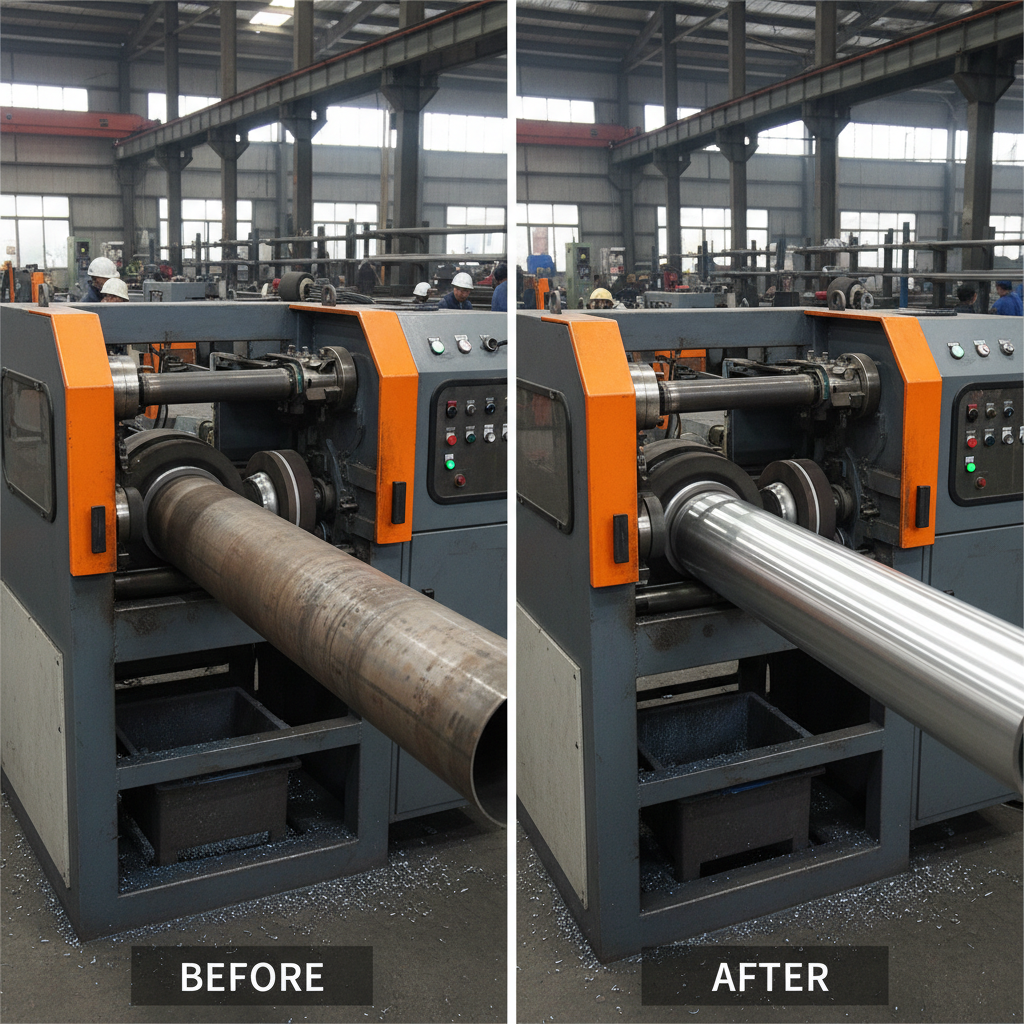
The core function of a tube polishing machine is to remove surface imperfections, such as scratches, burrs, and weld seams, resulting in a smoother, more consistent surface. This is not only aesthetically important but also crucial for applications where surface integrity directly impacts performance, such as in hydraulic systems or medical implants. tube polishing machine products are becoming increasingly sophisticated, incorporating automated controls and advanced monitoring systems.
Global Relevance and Industry Context
The global tube polishing machine products market is intricately linked to the growth of key manufacturing industries worldwide. Countries with robust automotive, aerospace, and energy sectors, such as China, the United States, Germany, and Japan, represent major consumers of this technology. According to a recent report by Industry Research Co., the global tube polishing machine market is projected to reach $1.5 billion by 2028, exhibiting a CAGR of 4.8% during the forecast period.
The increasing demand for high-precision tubing in critical applications, coupled with advancements in polishing technologies, are driving market expansion. Challenges such as rising raw material costs and the need for sustainable manufacturing practices are also shaping the industry landscape. Companies are increasingly focusing on developing energy-efficient and environmentally friendly tube polishing machine products to address these concerns.
ISO standards regarding surface finish and dimensional tolerances are becoming more stringent across various industries. This has elevated the importance of reliable and accurate tube polishing machine products capable of consistently meeting these requirements. Manufacturers failing to comply face potential penalties and loss of market share.
Defining Tube Polishing Machine Products
Tube polishing machine products, in their essence, are specialized pieces of machinery designed to enhance the surface finish of tubular materials. This process involves the controlled removal of material from the inner and/or outer surfaces of tubes using abrasive techniques. These machines are not simply about cosmetic improvements; they play a critical role in optimizing performance, extending lifespan, and ensuring compliance with stringent industry standards.
The connection to modern industry is profound. Consider the medical device sector, where polished tubing is essential for creating biocompatible implants. Or the aerospace industry, where polished hydraulic lines must withstand extreme pressures and temperatures. These applications, and countless others, rely on the precision and reliability of effective tube polishing.
A tube polishing machine differs significantly from general metal polishing equipment. It’s engineered specifically for the unique geometry of tubes, allowing for uniform treatment and precise control over the polishing process. This focus on specialization is what allows these machines to deliver the high-quality results demanded by today's industries.
Key Factors Influencing Performance
Several key factors dictate the performance and suitability of tube polishing machine products. Material Compatibility is paramount; different materials (stainless steel, aluminum, titanium, etc.) require specific abrasives and polishing techniques. Polishing Speed & Efficiency directly impact production throughput and costs. Faster, more efficient machines translate to lower per-unit costs.
Precision & Control is crucial for achieving desired surface finishes and tolerances. Automated controls and feedback systems contribute significantly to precision. Maintenance Requirements and ease of service are often overlooked but essential for minimizing downtime and maximizing equipment lifespan. And finally, Versatility & Adaptability – the ability to handle a range of tube sizes and materials – enhances the machine's overall value.
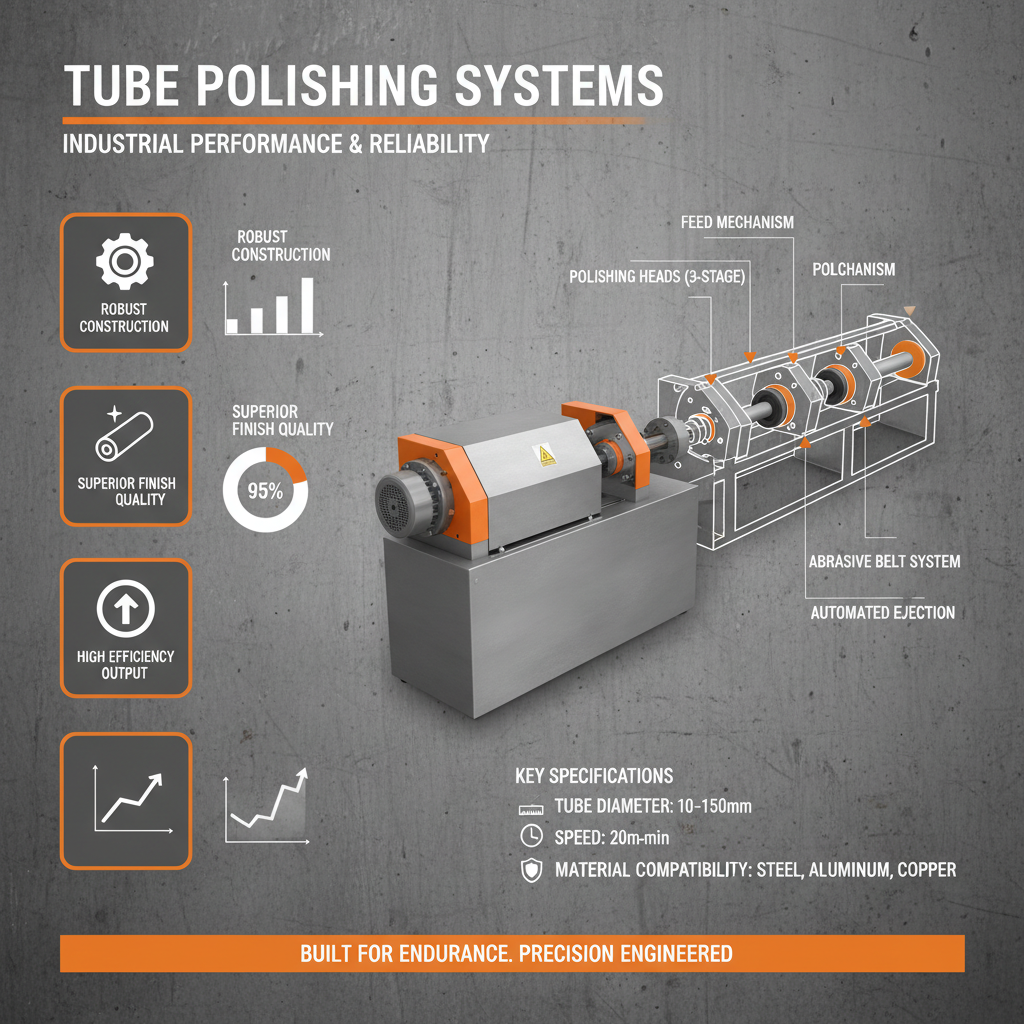
Tube Polishing Machine Products – Performance Metrics
Global Applications and Diverse Use Cases
The applications of tube polishing machine products are incredibly diverse. In the automotive industry, polished tubing is crucial for fuel injection systems, brake lines, and exhaust components. The aerospace sector relies heavily on polished tubing for hydraulic systems, engine components, and structural elements. tube polishing machine products play a critical role in ensuring the reliability and safety of these systems.
The medical device industry utilizes polished tubing for catheters, stents, and other implantable devices, demanding the highest levels of surface finish and biocompatibility. Oil & gas pipelines utilize polished internal surfaces to minimize friction and maximize flow rates. These are just a few examples.
In remote industrial zones, where access to skilled labor is limited, automated tube polishing machines offer a cost-effective solution for maintaining product quality. Similarly, in post-disaster relief operations, quickly producing reliable tubing for temporary water and sanitation systems can be aided by portable and efficient tube polishing equipment.
Advantages and Long-Term Value Proposition
Investing in high-quality tube polishing machine products delivers significant advantages. Firstly, Cost Reduction – through improved efficiency, reduced scrap rates, and minimized rework. Secondly, Enhanced Product Quality – resulting in improved performance, durability, and reliability. Thirdly, Increased Productivity – enabling faster processing times and higher throughput.
Beyond the tangible benefits, there's a strong long-term value proposition. Reliable and well-maintained machines contribute to a safer working environment. A commitment to high-quality finishing fosters customer trust and strengthens brand reputation. Furthermore, embracing innovative polishing technologies demonstrates a commitment to sustainability and responsible manufacturing.
Future Trends and Technological Innovations
The future of tube polishing machine products is poised for significant advancements. Automation and Robotics will become increasingly prevalent, enhancing precision, efficiency, and reducing labor costs. Digital Integration and IoT will enable real-time monitoring, predictive maintenance, and data-driven process optimization. Sustainable Polishing Techniques, such as the use of environmentally friendly abrasives and reduced water consumption, are gaining momentum.
Electrochemical Polishing (ECP) is emerging as a powerful alternative to traditional abrasive methods, offering superior surface finish and reduced environmental impact. Furthermore, advancements in materials science are leading to the development of more durable and efficient polishing abrasives. These innovations promise to reshape the landscape of tube polishing machine products in the years to come.
Challenges and Solutions
Despite advancements, challenges remain in the tube polishing machine products landscape. One primary concern is the Cost of Implementation – particularly for smaller businesses. Secondly, Maintaining Surface Integrity for thin-walled tubes can be difficult, requiring specialized techniques. Finally, Waste Management of used abrasives and polishing fluids presents an environmental hurdle.
Solutions include exploring Leasing and Financing Options to alleviate upfront costs. Employing Advanced Control Systems and adaptive polishing algorithms to safeguard thin-walled tubes. And implementing Closed-Loop Recycling Systems for abrasives and polishing fluids to minimize waste and environmental impact.
The following table summarizes the common challenges and proposed solutions for optimizing tube polishing processes.
Summary of Challenges and Solutions in Tube Polishing
| Challenge |
Impact on Production |
Proposed Solution |
Implementation Cost (1-10) |
| High Initial Investment |
Limits accessibility for SMEs |
Leasing/Financing Options |
3 |
| Thin-Walled Tube Distortion |
Compromises dimensional accuracy |
Adaptive Polishing Algorithms |
6 |
| Abrasive Waste Disposal |
Environmental Concerns & Costs |
Closed-Loop Recycling Systems |
7 |
| Maintaining Consistent Quality |
Variations in surface finish |
Automated Process Control |
5 |
| Skilled Operator Requirement |
Training costs and limited availability |
User-Friendly Interface & Automation |
4 |
| Monitoring Polishing Process |
Difficulty in real-time assessment |
Integrated Sensor Technology |
8 |
FAQS
Abrasive flow polishing excels at complex geometries and internal tube surfaces, using a flowing abrasive medium to reach difficult areas. Belt polishing is more efficient for straight surfaces and larger diameter tubes, providing a faster material removal rate. Choosing between them depends on the tube’s shape, material, and the desired surface finish. Understanding these differences ensures optimal results and minimizes processing time when selecting tube polishing machine products.
Regular maintenance is crucial for maximizing the lifespan and performance of your tube polishing machine. Daily checks include inspecting belts and abrasives for wear, cleaning the machine, and lubricating moving parts. Weekly maintenance involves more thorough cleaning, checking fluid levels (if applicable), and inspecting electrical connections. Annual servicing by a qualified technician is recommended to prevent major breakdowns and ensure optimal functionality. Investing in proactive maintenance saves time and money in the long run.
Safety is paramount when operating tube polishing machine products. Always wear appropriate personal protective equipment (PPE), including safety glasses, gloves, and a dust mask. Ensure the machine is properly grounded and all safety guards are in place. Never operate the machine while fatigued or under the influence of drugs or alcohol. Follow the manufacturer’s instructions carefully and receive adequate training before operating any new equipment. Regular safety audits are vital.
Environmental considerations are increasingly important. Properly dispose of used abrasives and polishing fluids according to local regulations. Consider using environmentally friendly abrasives and polishing compounds. Implement closed-loop recycling systems to minimize waste and reduce water consumption. Explore energy-efficient machine models to lower your carbon footprint. Sustainable practices contribute to a greener manufacturing process.
Selecting the correct abrasive is critical for achieving the desired surface finish. The choice depends on the tube material, the desired level of polish, and the type of polishing machine. Softer materials require less aggressive abrasives, while harder materials need more abrasive power. Consider factors like grit size, abrasive type (aluminum oxide, silicon carbide, etc.), and bonding agent. Consult with an abrasive supplier or machine manufacturer for guidance. Proper abrasive selection optimizes polishing results and extends abrasive lifespan.
The Return on Investment (ROI) for automated tube polishing machine products varies depending on production volume, labor costs, and material waste reduction. Typically, automation leads to significant labor savings, reduced scrap rates, and increased throughput. A typical ROI can range from 18 months to 3 years, depending on specific operational factors. Detailed cost-benefit analysis is essential before making an investment. tube polishing machine products offer substantial long-term value.
Conclusion
In conclusion, tube polishing machine products are fundamental to a vast array of industries, enabling the production of high-quality, reliable, and safe tubular components. From aerospace and automotive to medical devices and oil & gas, these machines play a crucial role in ensuring optimal performance, extending product lifespan, and meeting stringent regulatory requirements. Understanding the various technologies, key factors influencing performance, and emerging trends is essential for businesses seeking to optimize their processes and maintain a competitive edge.
Looking ahead, the future of tube polishing is driven by innovation, sustainability, and automation. By embracing these advancements, manufacturers can unlock new levels of efficiency, reduce their environmental impact, and deliver superior products to their customers. To learn more about our advanced range of tube polishing machine products and find the optimal solution for your specific needs, visit our website today!