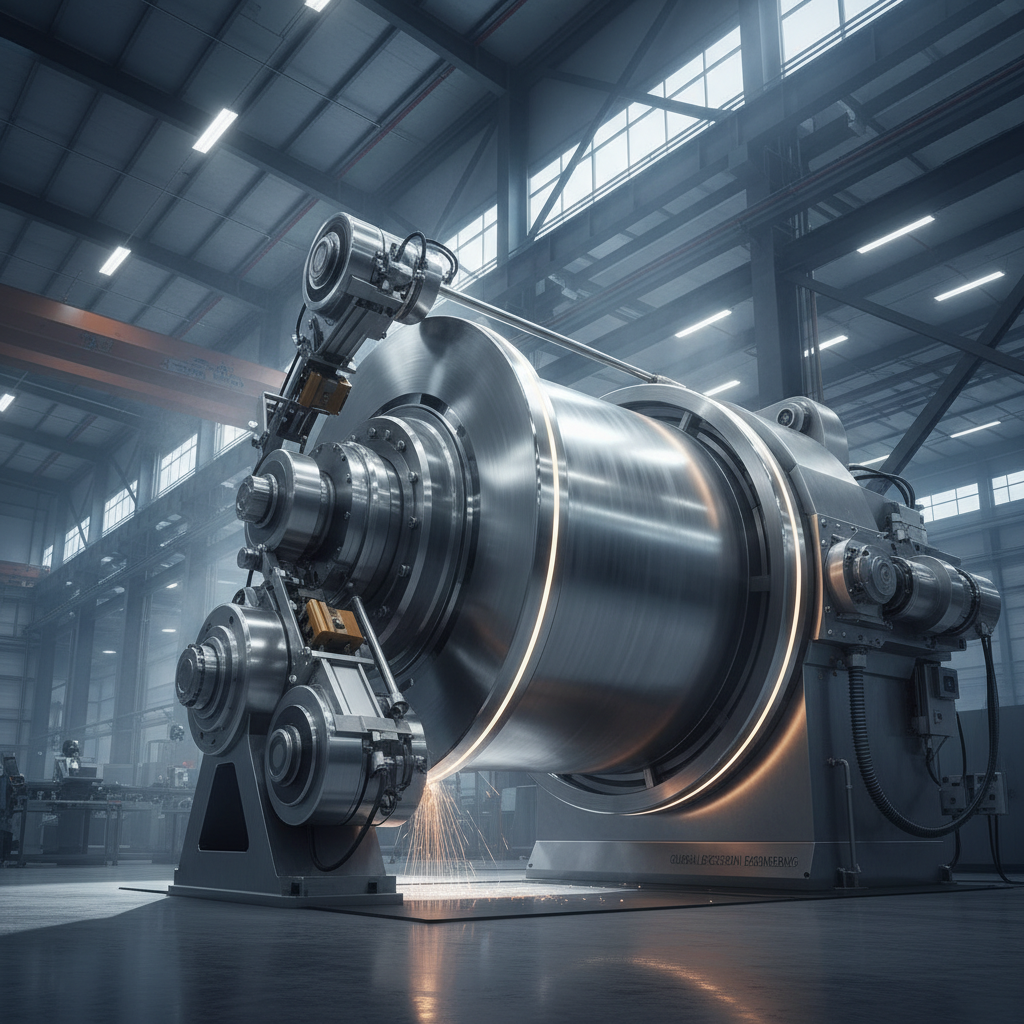
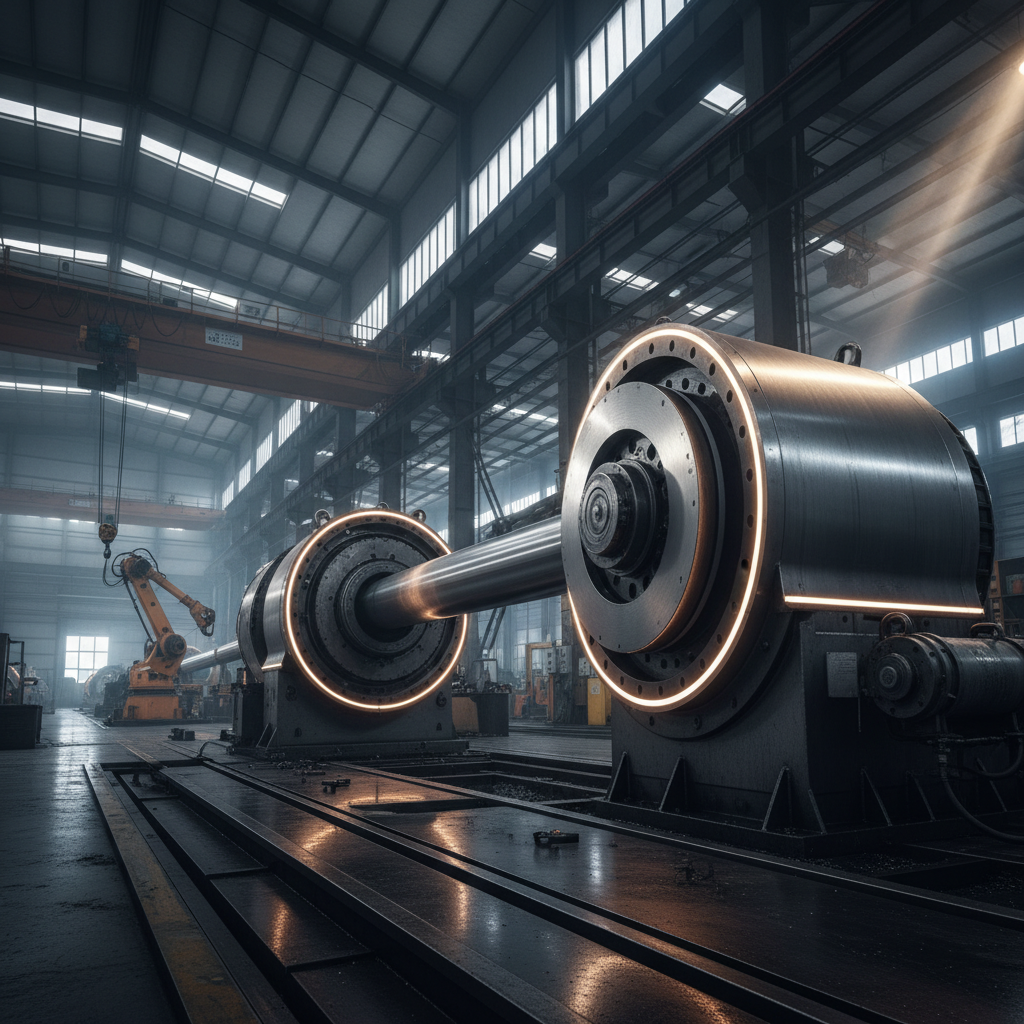
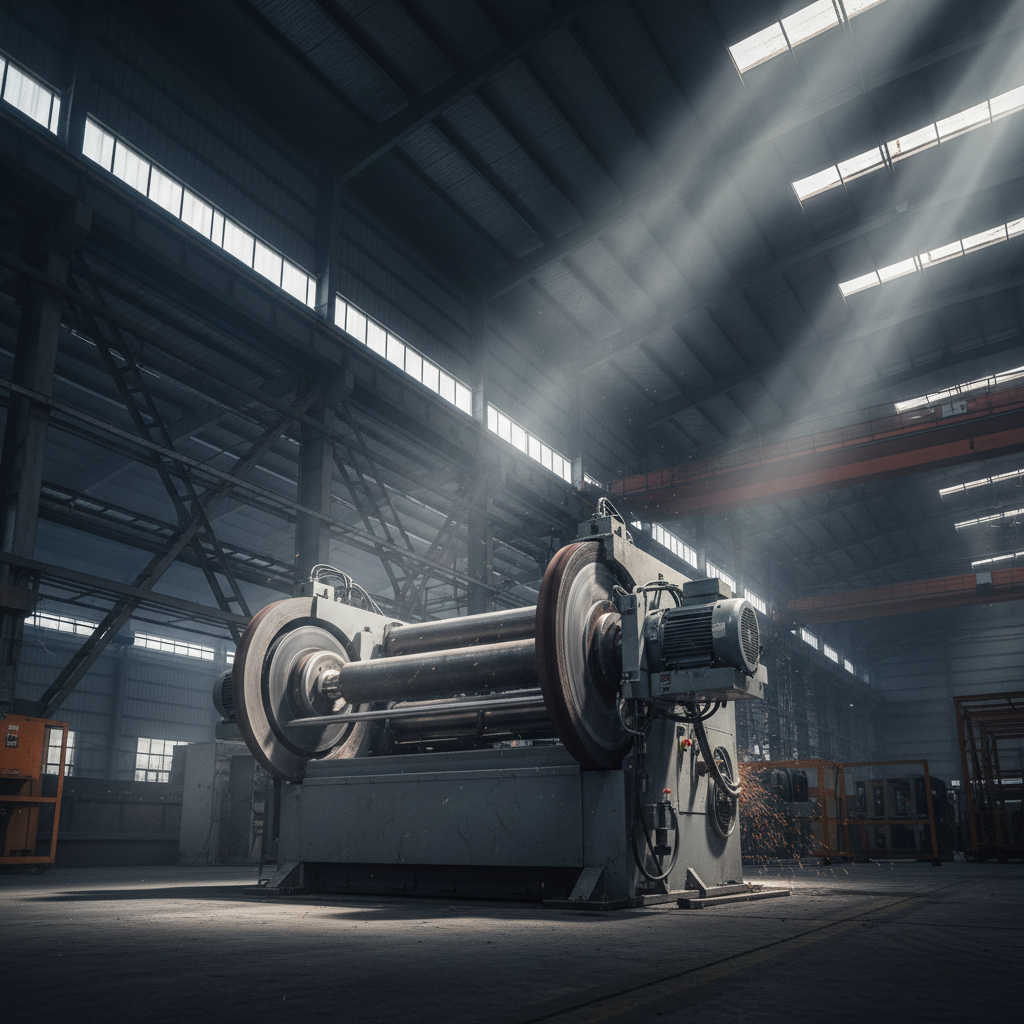
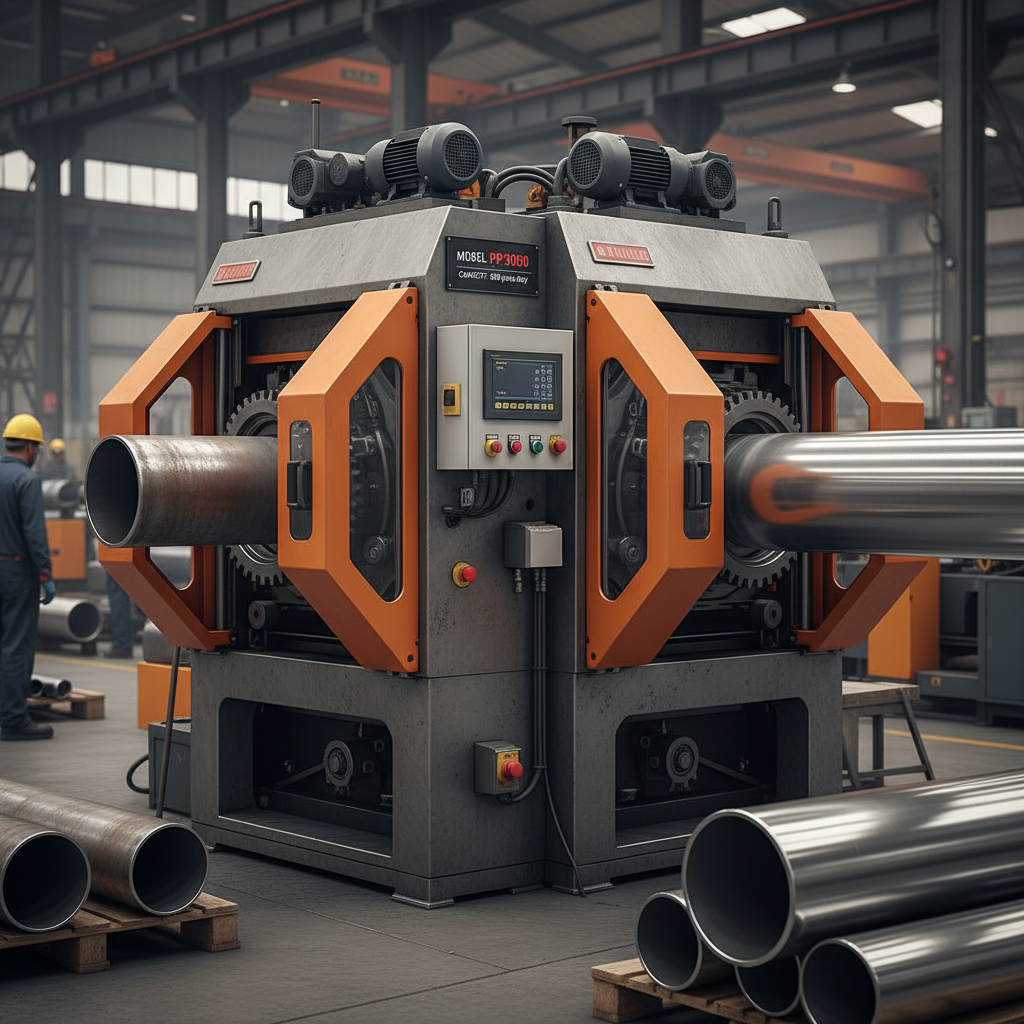
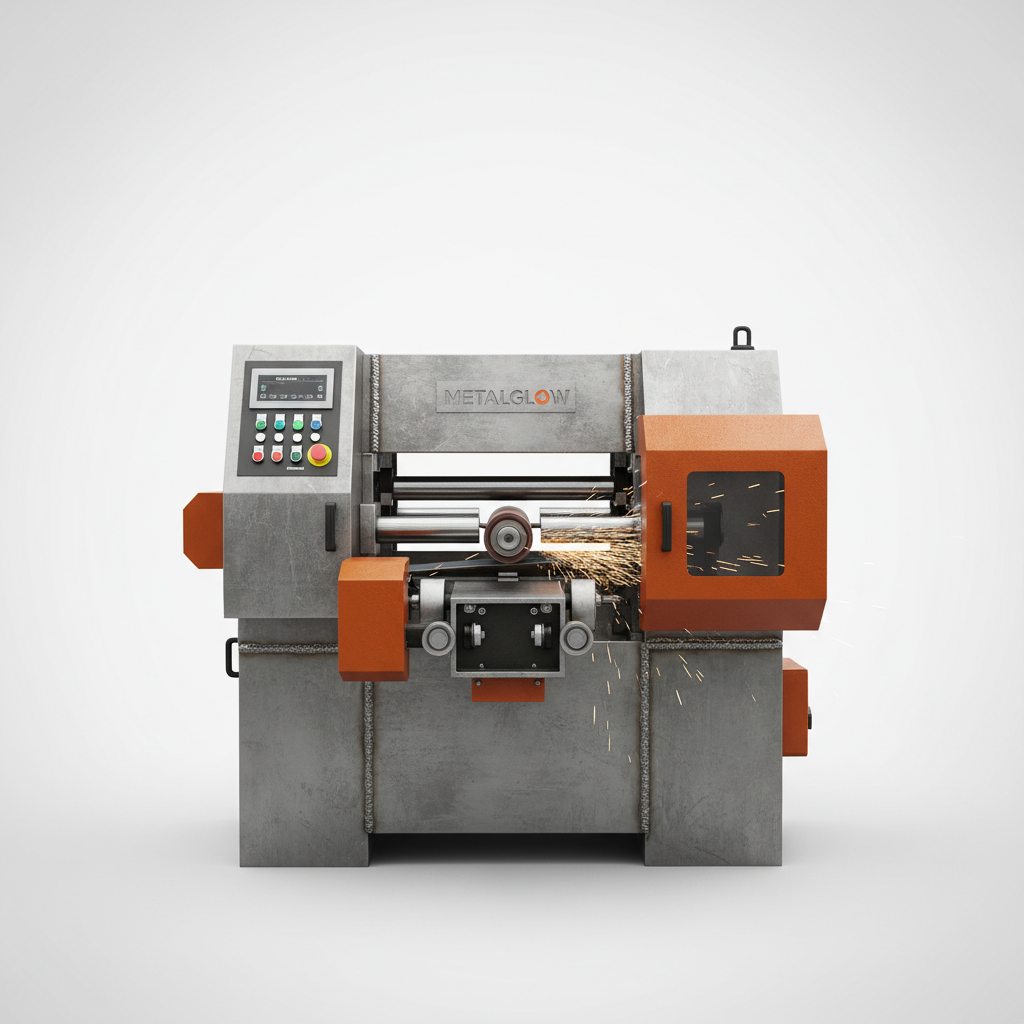
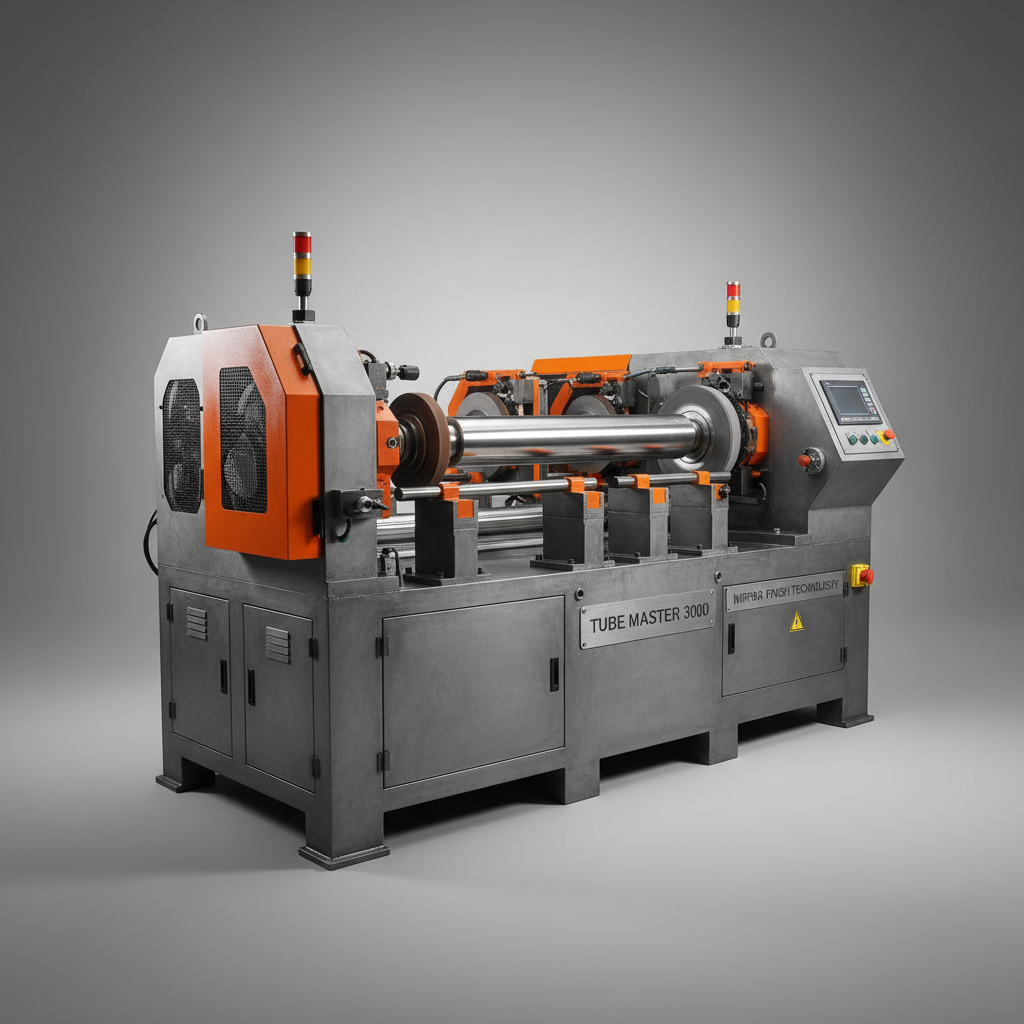
The realm of surface finishing is crucial across a vast spectrum of industries, from automotive and aerospace to medical devices and consumer electronics. Within this domain, the cylindrical polishing machine stands out as an essential piece of equipment, responsible for achieving precise dimensions, smooth surfaces, and enhanced material properties. Its importance isn’t merely aesthetic; it directly impacts performance, durability, and overall product quality. Understanding the intricacies of these machines is paramount for manufacturers seeking a competitive edge in today's demanding global market.
Globally, the demand for high-precision manufacturing is steadily increasing, driven by innovations in technology and the need for more efficient and reliable products. This demand directly translates into a growing market for cylindrical polishing machines. According to market research reports, the global industrial polishing compounds market—a significant indicator of polishing machine usage—is projected to reach billions of dollars in the coming years. However, challenges remain, including the need for more sustainable polishing processes, cost-effective solutions for small and medium-sized enterprises, and skilled operators. Addressing these challenges is critical for ensuring continued growth and innovation in the field.
The cylindrical polishing machine provides a vital solution in these areas. It offers a controlled and repeatable process for refining cylindrical components, ultimately leading to improved product lifespan and reduced waste. This focus on precision and efficiency makes the cylindrical polishing machine an invaluable asset in modern manufacturing.
Understanding the Core Principles of Cylindrical Polishing Machine
At its heart, the cylindrical polishing machine operates on the principle of abrasive action, utilizing polishing compounds and rotating elements to remove material from the surface of cylindrical workpieces. This process isn't simply about smoothing; it’s about achieving a precise surface finish that meets strict engineering specifications. Factors such as abrasive grit size, polishing pressure, machine speed, and the composition of the polishing compound all play crucial roles in determining the final result.
Understanding the interplay between these factors is key to optimizing the polishing process. Different materials require different approaches, and a skilled operator must be able to adjust the machine parameters to achieve the desired outcome. Modern cylindrical polishing machines are often equipped with advanced control systems that automate these adjustments, ensuring consistency and reducing the risk of human error.
The Global Relevance of Cylindrical Polishing Machine
The demand for components requiring precise cylindrical finishes is widespread, making the cylindrical polishing machine a globally significant piece of equipment. Industries like automotive manufacturing rely on polished cylinders for engine parts, ensuring optimal performance and fuel efficiency. Similarly, the aerospace sector demands highly polished surfaces for hydraulic cylinders and landing gear components, critical for safety and reliability.
The rise of medical device manufacturing, particularly in countries like the United States, Germany, and Japan, has further fueled the demand for these machines. Implants and surgical instruments require exceptionally smooth surfaces to minimize friction and prevent biological rejection. The growing emphasis on miniaturization in electronics also necessitates precision polishing of small cylindrical components. This global demand is projected to continue increasing, driven by technological advancements and stricter quality control standards.
The United Nations Sustainable Development Goals (SDGs), particularly those related to industry, innovation, and infrastructure (SDG 9), are indirectly supported by advancements in polishing technology. Efficient and precise manufacturing processes, enabled by cylindrical polishing machines, contribute to sustainable industrial growth and economic development.
Defining Cylindrical Polishing Machine and Its Applications
A cylindrical polishing machine is a specialized machine tool designed to refine the surface of cylindrical objects. Unlike grinding, which primarily focuses on material removal to achieve precise dimensions, polishing aims to create a smooth, defect-free surface. This is achieved by using abrasive compounds applied to rotating polishing wheels or belts that are pressed against the workpiece. The machine's configuration can vary, including single-spindle, multi-spindle, and automatic loading systems, depending on production volume and component complexity.
The connection to modern industry is profound. From the hydraulic cylinders powering heavy machinery to the precision shafts within electric motors, the need for highly polished cylindrical surfaces is ubiquitous. Humanitarian applications also exist, albeit less direct. For example, the manufacturing of durable and reliable water pumps, reliant on precisely polished components, can significantly improve access to clean water in developing nations. Furthermore, the machine plays a role in the production of components for renewable energy systems like wind turbines.
Essentially, any industry that requires cylindrical components with tight tolerances, smooth surfaces, and enhanced durability will utilize cylindrical polishing machines. The specific applications range from mass production of automotive parts to specialized polishing of aerospace components and even the refinement of medical implants.
Key Factors Influencing Cylindrical Polishing Machine Performance
Several critical factors dictate the performance and effectiveness of a cylindrical polishing machine. First, Material Compatibility is essential – the choice of abrasive compounds must be appropriate for the workpiece material (steel, aluminum, plastic, etc.). Second, Polishing Pressure significantly influences the material removal rate and surface finish; incorrect pressure can lead to imperfections.
Third, Machine Speed & Feed Rate needs to be carefully calibrated to optimize polishing time and prevent overheating. Fourth, Abrasive Grit Size dictates the level of material removal and surface smoothness – finer grits produce smoother finishes. Finally, Coolant Management is vital for dissipating heat, preventing workpiece distortion, and flushing away debris.
Cylindrical Polishing Machine Performance Factors
Global Applications and Use Cases of Cylindrical Polishing Machine
The cylindrical polishing machine finds applications across diverse industries globally. In the automotive sector (Germany, Japan, USA), it’s essential for polishing engine cylinders, crankshafts, and other critical components. Aerospace manufacturers (USA, Canada, Europe) utilize these machines to polish hydraulic cylinders, landing gear struts, and turbine blades, ensuring stringent safety requirements are met.
In the medical device industry (USA, Switzerland, Ireland), precise polishing is crucial for implants, surgical instruments, and dental prosthetics. The machine is also prevalent in the manufacturing of hydraulic and pneumatic cylinders used in industrial automation (China, South Korea, Germany), contributing to increased efficiency and reliability. Moreover, the energy sector (Denmark, Germany, USA) utilizes these machines for polishing components used in wind turbines and other renewable energy systems.
For instance, in remote industrial zones of Southeast Asia, these machines facilitate the production of durable components for agricultural equipment, while in advanced manufacturing hubs of Europe, they contribute to the creation of high-precision instruments for scientific research.
Advantages and Long-Term Value of Cylindrical Polishing Machine
Investing in a cylindrical polishing machine offers tangible benefits, starting with significant cost savings through reduced material waste and improved product lifespan. The enhanced surface finish results in lower friction, reduced wear and tear, and increased operational efficiency. The machine’s precision also minimizes the need for rework, further reducing production costs. From a sustainability perspective, efficient polishing processes reduce energy consumption and minimize environmental impact.
Beyond the economic advantages, a polished surface evokes a sense of quality and reliability, building trust with customers. The machine’s contribution to safer, more durable products is a significant emotional benefit for both manufacturers and end-users. The ability to consistently meet demanding specifications fosters innovation and allows manufacturers to compete effectively in global markets.
Future Trends and Innovations in Cylindrical Polishing Machine Technology
The future of cylindrical polishing machine technology is poised for significant advancements. Automation and robotics are increasingly being integrated to improve efficiency, reduce labor costs, and enhance precision. The development of advanced abrasive materials, including nano-abrasives, promises to achieve even smoother and more durable surface finishes. Digital transformation, through the implementation of Industry 4.0 principles, is enabling real-time monitoring, predictive maintenance, and data-driven optimization of polishing processes.
Furthermore, a growing emphasis on sustainable polishing processes is driving research into eco-friendly abrasive compounds and closed-loop coolant systems. Green energy solutions, such as powering polishing machines with renewable energy sources, are also gaining traction. The integration of artificial intelligence (AI) and machine learning (ML) algorithms will allow for automated process optimization and defect detection, further enhancing the capabilities of these machines.
These innovations will not only improve the efficiency and effectiveness of cylindrical polishing machines but also contribute to a more sustainable and environmentally responsible manufacturing landscape.
Challenges and Solutions in Cylindrical Polishing Machine Applications
Despite their advancements, cylindrical polishing machines face challenges. Maintaining consistent surface quality across different material types and geometries can be complex. The disposal of used polishing compounds and coolants poses environmental concerns, and the initial investment cost can be substantial for small and medium-sized enterprises (SMEs).
Solutions involve developing adaptable control systems that automatically adjust parameters based on material properties and geometry. Implementing closed-loop filtration and recycling systems for coolants and abrasive compounds minimizes environmental impact. Financial incentives and leasing options can make these machines more accessible to SMEs. Collaboration between machine manufacturers and material science researchers can lead to the development of more effective and sustainable polishing solutions.
Furthermore, investing in operator training and skill development is crucial for maximizing the performance and longevity of these machines. Addressing these challenges will ensure that cylindrical polishing machines continue to play a vital role in modern manufacturing.
Summary of Key Challenges and Corresponding Solutions for Cylindrical Polishing Machine
| Challenge |
Impact on Efficiency |
Proposed Solution |
Implementation Cost (Scale 1-10) |
| Material Inconsistency |
Reduced Polishing Uniformity |
Adaptive Control System |
7 |
| Waste Disposal |
Environmental Concerns |
Closed-Loop Recycling |
6 |
| High Initial Cost |
Limited SME Access |
Leasing & Financial Incentives |
4 |
| Operator Skill Gap |
Suboptimal Performance |
Comprehensive Training Programs |
5 |
| Polishing Compound Variability |
Inconsistent Surface Finishes |
Standardized Compound Sourcing |
3 |
| Machine Maintenance |
Unscheduled Downtime |
Predictive Maintenance Schedules |
6 |
FAQS
Cylindrical polishing machines are versatile and can handle a wide range of materials, including various metals like steel, stainless steel, aluminum, and alloys. They are also suitable for polishing certain plastics and ceramics. The choice of abrasive compound and polishing parameters will depend on the specific material and desired surface finish. Careful selection is essential to prevent damage and achieve optimal results.
The polishing wheel’s speed directly impacts the material removal rate and the quality of the finish. Higher speeds generally lead to faster material removal but can also generate more heat and potentially cause surface imperfections. Lower speeds provide more control and are often preferred for achieving a very fine, mirror-like finish. Finding the optimal speed requires considering the material, abrasive, and desired outcome.
Regular maintenance is crucial for ensuring long-term performance. This includes routine cleaning to remove polishing debris, lubrication of moving parts, inspection of belts and wheels for wear, and checking the coolant system. Periodic inspections by a qualified technician are also recommended to identify and address potential issues before they lead to downtime.
Safety is paramount. Always wear appropriate personal protective equipment (PPE), including safety glasses, gloves, and a dust mask. Ensure the machine is properly grounded and that all safety guards are in place. Never operate the machine without proper training, and adhere to the manufacturer’s safety guidelines. Regularly inspect the machine for any signs of damage or malfunction.
Automation significantly enhances efficiency. Automated systems can consistently apply the correct pressure, speed, and abrasive, reducing human error and ensuring uniform results. They can also handle multiple parts simultaneously, increasing throughput. Furthermore, automated machines often incorporate sensors and feedback loops for real-time monitoring and process optimization.
While the initial investment may be substantial, a high-quality machine offers significant long-term cost benefits. These include reduced material waste, lower labor costs through automation, improved product quality leading to fewer defects, and increased machine lifespan. The ability to consistently meet stringent quality standards also enhances a company’s reputation and competitiveness.
Conclusion
In conclusion, the cylindrical polishing machine remains a cornerstone of modern manufacturing, essential for achieving precise, durable, and high-quality cylindrical components. Its impact spans diverse industries globally, driven by the demand for increasingly sophisticated products and stringent performance standards. Understanding the core principles, key factors, and future trends in this technology is critical for manufacturers seeking to optimize their processes and maintain a competitive edge.
Looking ahead, continued innovation in automation, abrasive materials, and sustainable practices will further enhance the capabilities and efficiency of cylindrical polishing. Investing in operator training and embracing digital transformation will be paramount to maximizing the long-term value of these machines. We invite you to explore how cylindrical polishing machines can elevate your manufacturing processes. Visit our website: www.xielizz.com