Automatic tube polishing machines represent a critical advancement in manufacturing processes across a diverse range of industries. These machines are designed to efficiently and consistently refine the internal surfaces of tubes, improving their functionality, extending their lifespan, and ensuring adherence to stringent quality control standards. From aerospace and automotive to pharmaceutical and food processing, the demand for flawlessly polished tubes is ever-increasing, making the automatic tube polishing machine an essential component of modern production lines.
The global market for tube polishing equipment is experiencing significant growth, driven by expanding industrialization, particularly in emerging economies. According to industry reports, the market is projected to reach multi-billion dollar valuations in the coming years, fueled by advancements in automation, materials science, and a growing emphasis on product reliability. This growth isn't merely economic; it’s directly linked to improved product safety, reduced waste, and enhanced performance in countless applications.
Understanding the capabilities and nuances of automatic tube polishing machines is vital for engineers, manufacturers, and quality assurance professionals alike. By optimizing polishing parameters and selecting the appropriate equipment, businesses can achieve significant cost savings, minimize downtime, and deliver superior products that meet the demanding requirements of today’s marketplace. The widespread adoption of these machines is not just a trend, it’s a necessity for maintaining competitiveness in a global landscape.
Introduction to Automatic Tube Polishing Machine
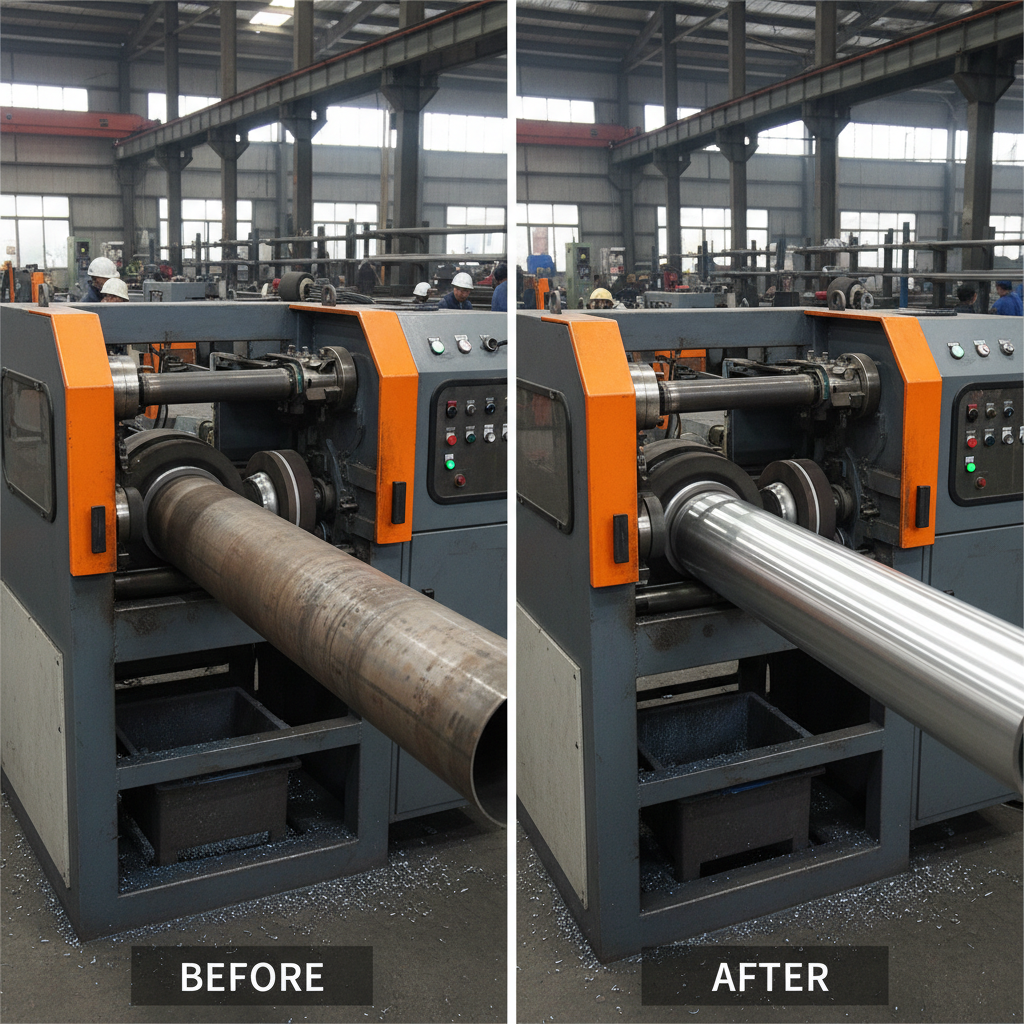
The core function of an automatic tube polishing machine is to enhance the surface finish of tubular components, removing imperfections and creating a smooth, consistent internal diameter. This process isn't solely about aesthetics; it directly impacts the flow characteristics, corrosion resistance, and overall performance of the tubes in their intended applications. Modern machines utilize a combination of abrasive materials, polishing compounds, and precisely controlled mechanical action to achieve exceptional results.
These systems are increasingly integrated into automated production lines, minimizing manual labor and maximizing efficiency. They are capable of handling a wide variety of tube materials – stainless steel, aluminum, copper, and titanium are common examples – and accommodating different tube sizes and geometries. The ability to adapt to diverse requirements makes the automatic tube polishing machine a versatile tool for manufacturers in numerous sectors.
Defining the Automatic Tube Polishing Machine
An automatic tube polishing machine is a sophisticated piece of industrial equipment designed to remove surface imperfections and achieve a desired level of smoothness on the interior of metal tubes. Unlike manual polishing methods, these machines employ automated processes, typically involving rotating abrasive belts, polishing wheels, or specialized polishing compounds delivered within the tube's bore. The key distinction lies in the consistency, speed, and reduced labor costs offered by automation.
The connection to modern industry is profound. Many critical applications, such as hydraulic systems, medical devices, and pharmaceutical manufacturing, require tubes with exceptionally smooth internal surfaces to prevent contamination, reduce friction, and ensure optimal performance. The automatic tube polishing machine allows manufacturers to consistently meet these demanding specifications, ensuring product quality and reliability.
Furthermore, it directly addresses the humanitarian need for sterile and reliable medical equipment, particularly in areas with limited access to skilled labor. By providing a consistent and efficient polishing process, these machines contribute to the production of life-saving medical devices that can be deployed worldwide.
Core Components of Automatic Tube Polishing Machines
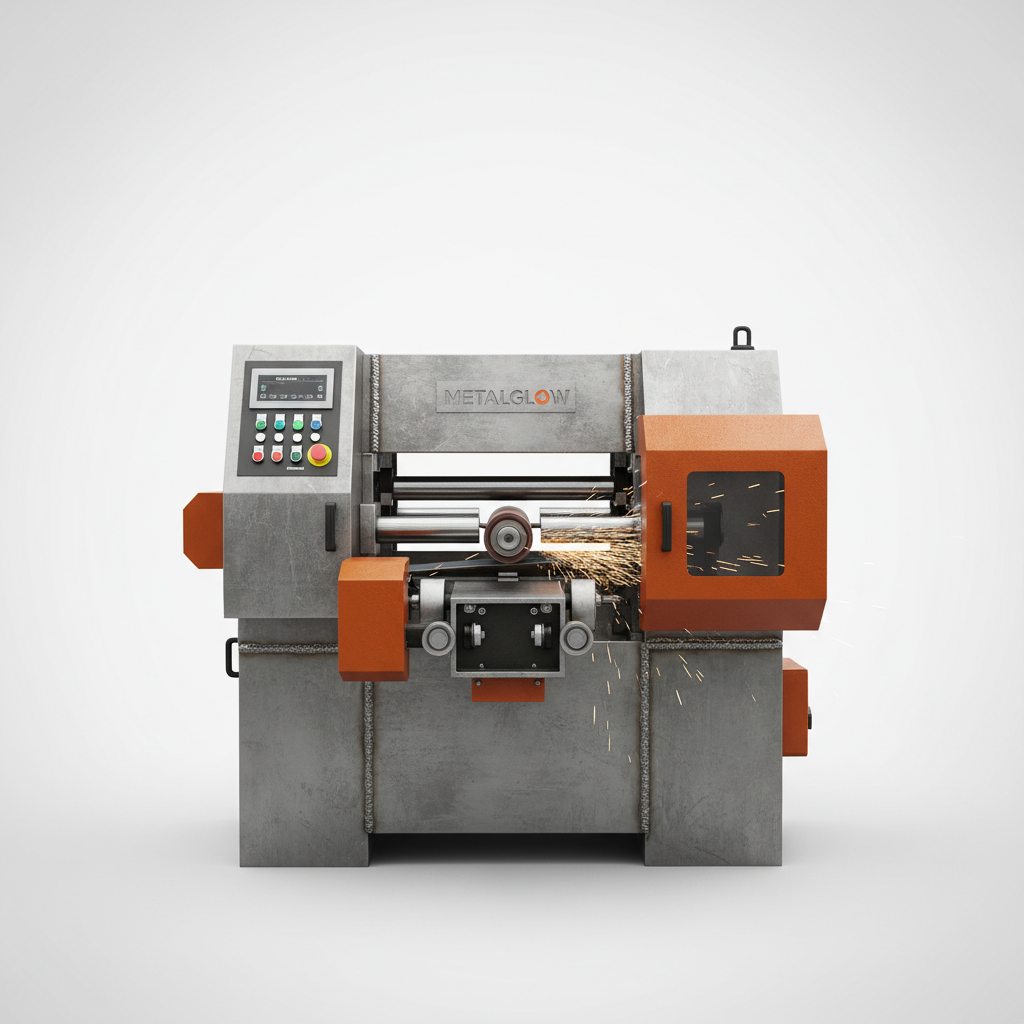
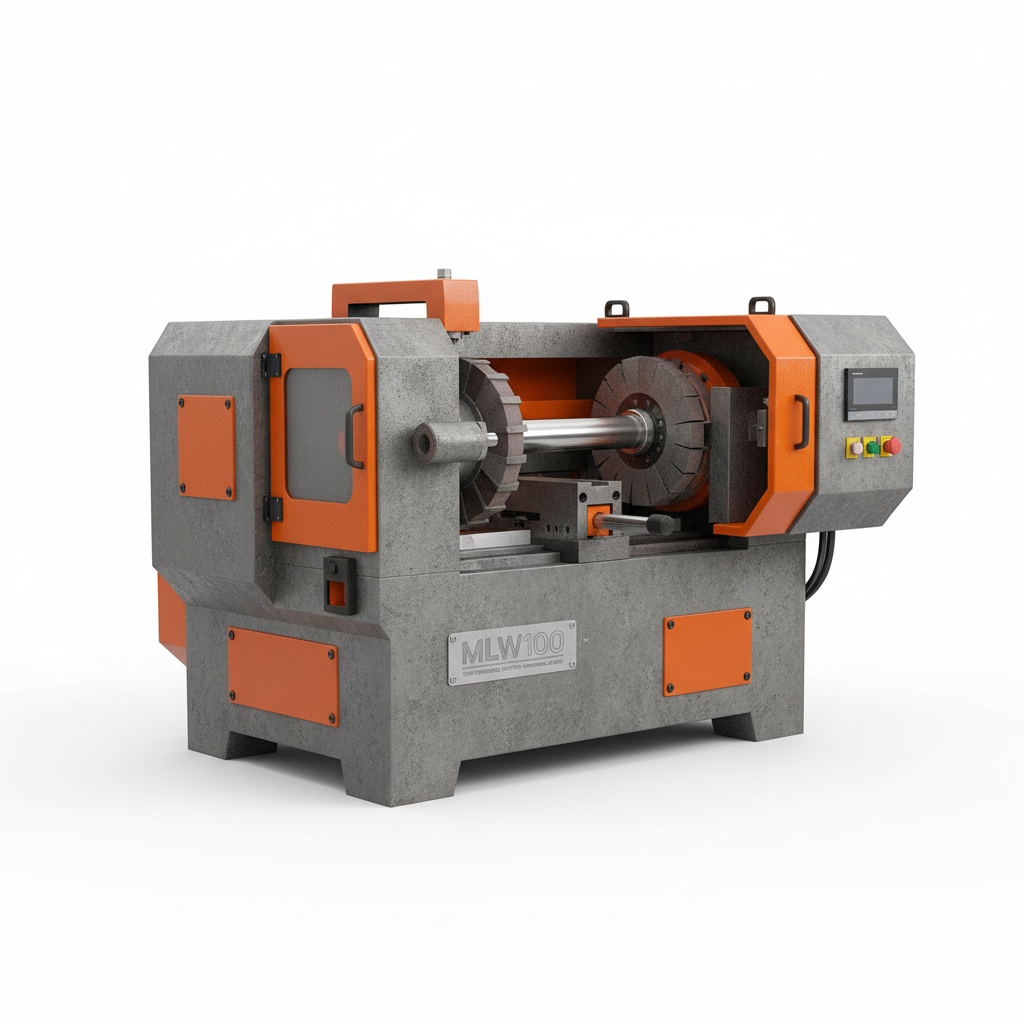
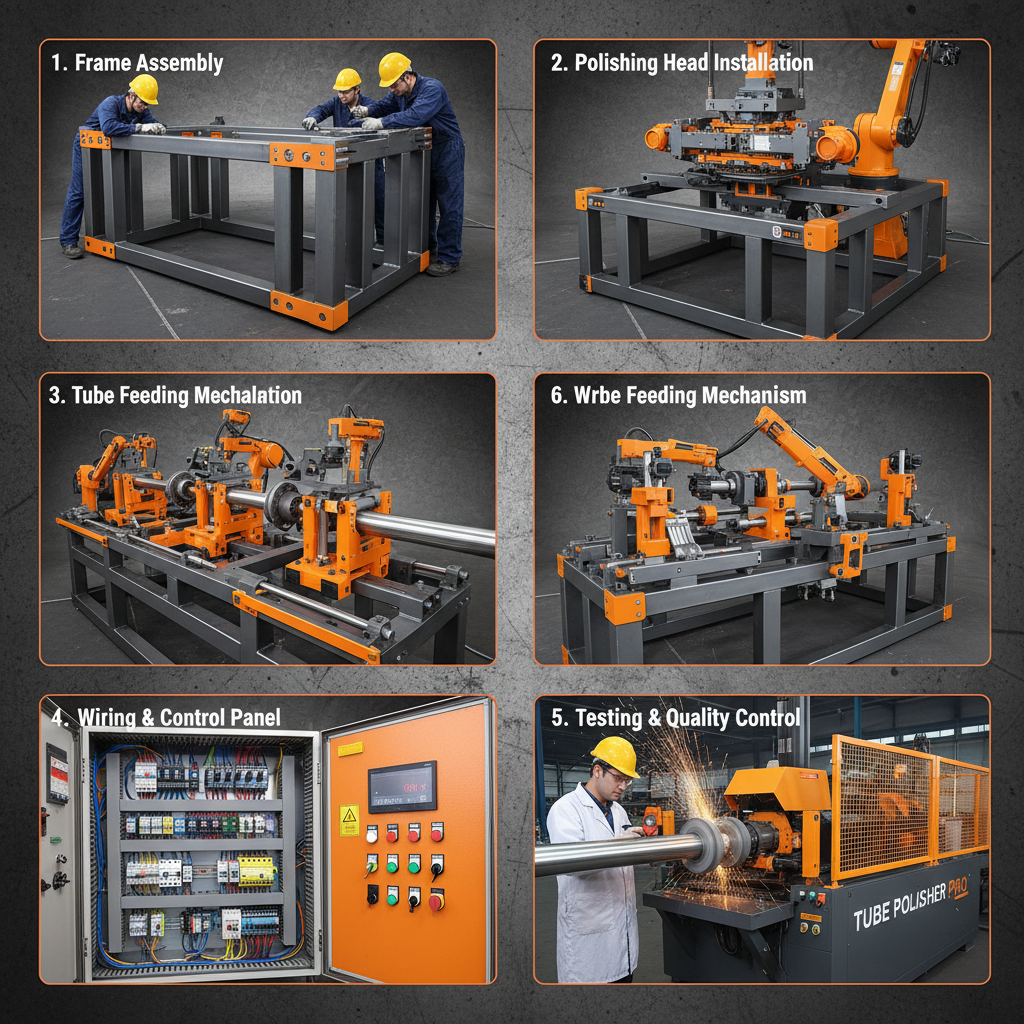
Automatic tube polishing machines are comprised of several key components working in harmony. These include a robust feeding system to precisely deliver tubes into the polishing head, a rotating polishing head equipped with abrasive components (belts, wheels, or mandrels), a sophisticated control system to manage speed, pressure, and polishing parameters, and a cooling system to prevent overheating and maintain optimal polishing conditions.
The abrasive materials used are equally crucial, ranging from traditional polishing compounds to specialized ceramic or diamond abrasives, selected based on the tube material and desired surface finish. Accurate sensors and feedback mechanisms are integrated to monitor polishing progress and adjust parameters in real-time, ensuring consistent results.
Finally, a dedicated cleaning and drying station is often incorporated to remove residual polishing compounds and prepare the tubes for subsequent processes or final inspection. The quality and integration of these components directly determine the machine’s performance, reliability, and overall effectiveness.
Key Factors Influencing Polishing Performance
Several factors significantly influence the effectiveness of an automatic tube polishing machine. Polishing speed directly impacts the material removal rate, but excessively high speeds can generate heat and compromise surface finish. Similarly, polishing pressure must be carefully calibrated to achieve optimal results without causing tube deformation.
The type of abrasive material used is another critical factor. Coarser abrasives are effective for removing significant imperfections, while finer abrasives are used for achieving a mirror-like finish. Choosing the appropriate abrasive for the tube material and desired surface roughness is essential.
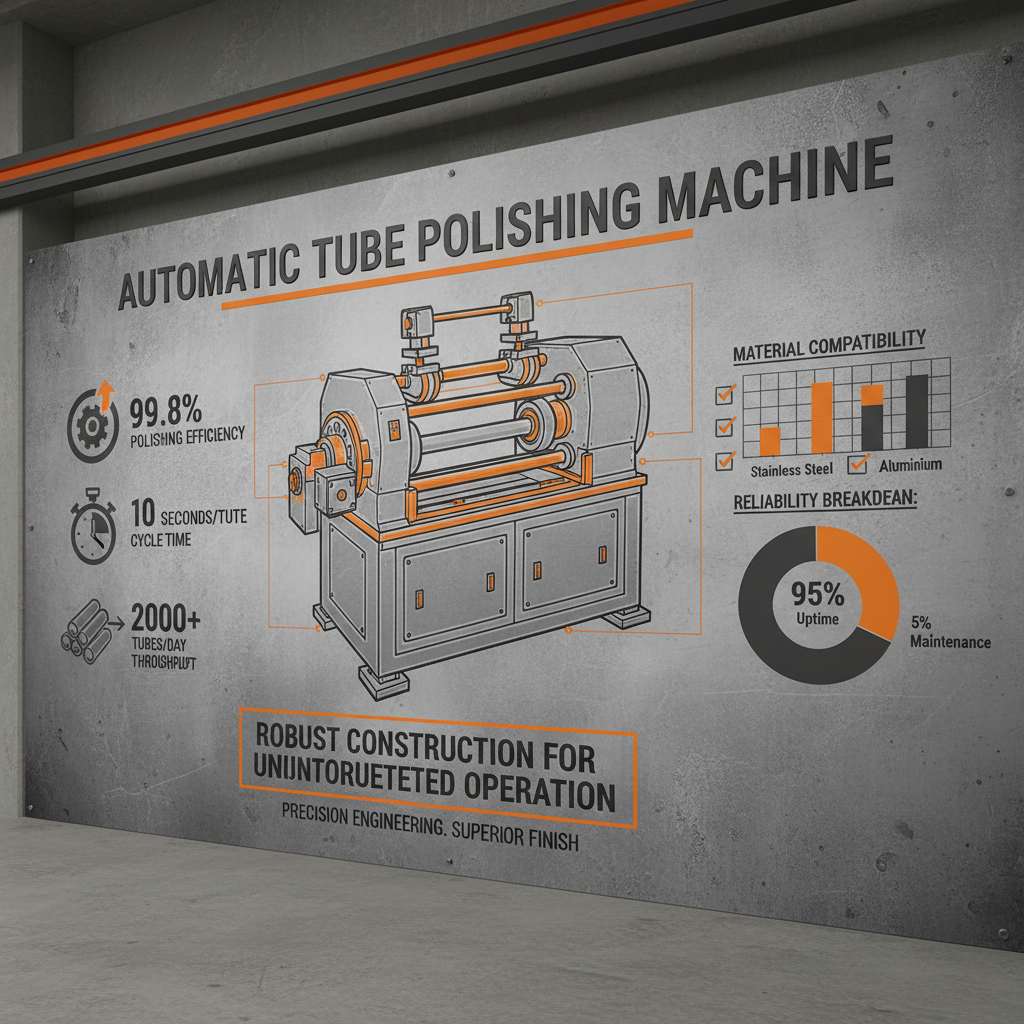
Automatic Tube Polishing Machine Performance Metrics
Global Applications and Industry Use Cases
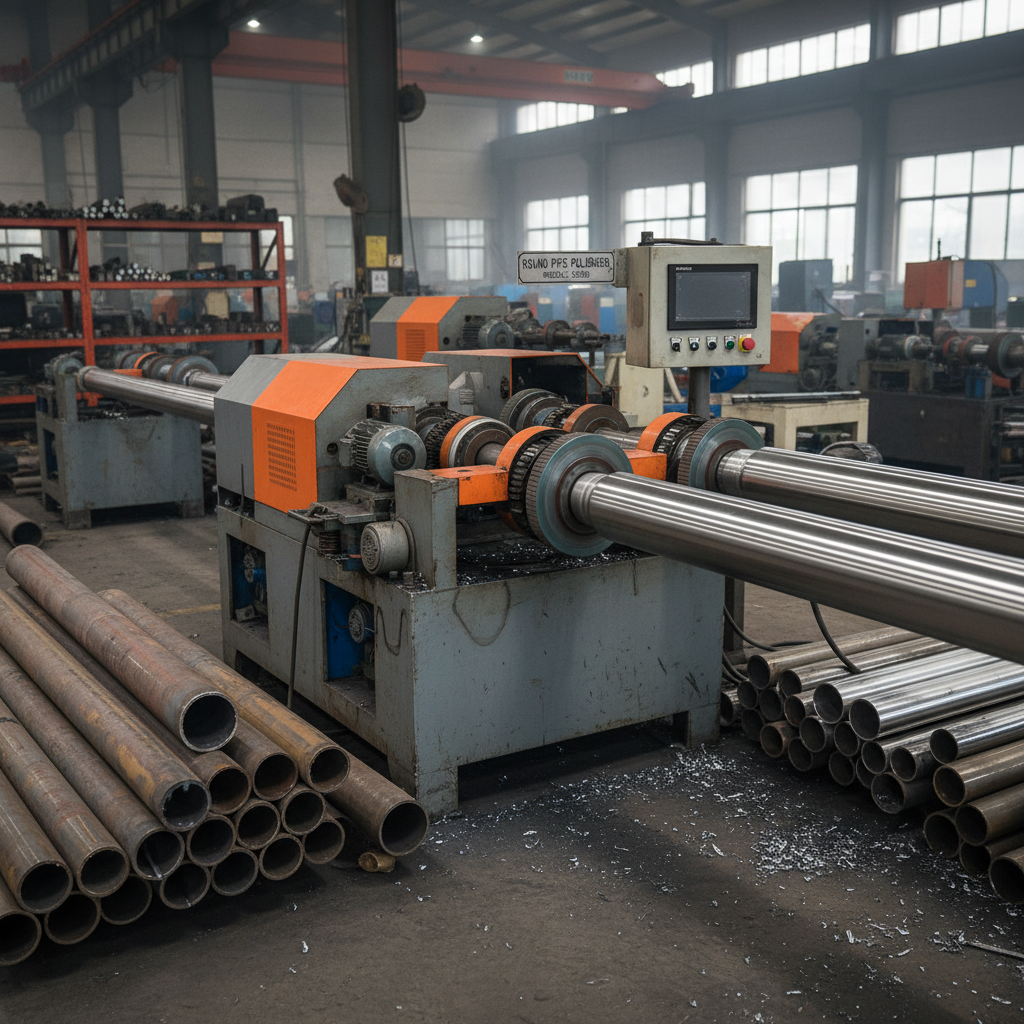
Automatic tube polishing machines find widespread application across diverse industries. In the aerospace sector, they are crucial for polishing hydraulic tubing and fuel lines, ensuring reliable performance in extreme conditions. The automotive industry utilizes these machines for polishing exhaust systems, fuel injectors, and other critical components.
Pharmaceutical and biotechnology companies rely on exceptionally polished tubes for sterile fluid handling systems, preventing contamination and ensuring product purity. Food and beverage processing plants employ these machines to polish tubes used in conveying liquids and maintaining sanitary conditions. In remote industrial zones, where access to skilled labor is limited, automated polishing solutions are particularly valuable.
Advantages and Long-Term Value Proposition
The advantages of employing an automatic tube polishing machine are substantial. Reduced labor costs, increased production throughput, and consistent surface finish quality translate to significant cost savings for manufacturers. Improved product reliability and extended component lifespan contribute to enhanced customer satisfaction.
Beyond the tangible benefits, there’s a long-term value proposition centered around sustainability and innovation. Precise control over the polishing process minimizes material waste and reduces the environmental impact. Furthermore, the adoption of advanced automation technologies fosters a culture of continuous improvement and positions businesses for long-term success in a competitive market.
Future Trends and Innovations in Tube Polishing
The future of automatic tube polishing machine technology is geared towards increased automation, integration of artificial intelligence (AI), and the development of more sustainable polishing processes. AI-powered systems can analyze data in real-time to optimize polishing parameters, predict maintenance needs, and enhance overall efficiency.
Research is also focused on developing environmentally friendly polishing compounds and reducing water consumption during the polishing process. The integration of digital twin technology will allow manufacturers to simulate polishing processes virtually, optimizing parameters and minimizing trial-and-error. The drive for improved energy efficiency and reduced carbon footprint will continue to shape the evolution of these machines.
Furthermore, we can expect to see greater adoption of robotic systems for tube handling and loading/unloading, further streamlining the production process and reducing the need for manual intervention. This aligns with the broader trend of Industry 4.0 and the pursuit of smart, connected manufacturing environments.
FAQS
Automatic tube polishing machines are remarkably versatile and can accommodate a broad range of materials, including stainless steel, carbon steel, aluminum, copper, titanium, and various alloys. The specific abrasive compounds and polishing parameters are adjusted based on the material’s hardness, composition, and desired surface finish. Properly configured, these machines can efficiently polish tubes of varying thicknesses and geometries.
The ROI for an automatic tube polishing machine varies depending on factors like production volume, labor costs, and the level of automation. However, typical ROI timelines range from 1 to 3 years, driven by reduced labor costs, increased production throughput, consistent quality, and minimized material waste. The long-term benefits of enhanced product reliability and customer satisfaction further contribute to the overall ROI.
Routine maintenance for an automatic tube polishing machine involves regular inspection and replacement of abrasive belts or wheels, lubrication of moving parts, and cleaning of the cooling system. Modern machines often incorporate predictive maintenance features, alerting operators to potential issues before they cause downtime. With proper maintenance, these machines can operate reliably for many years.
Safety is paramount in the design of automatic tube polishing machines. Common safety features include emergency stop buttons, protective guarding around moving parts, interlock systems to prevent operation with open access panels, and dust extraction systems to minimize exposure to abrasive particles. Compliance with relevant safety standards, such as ISO and OSHA, is crucial.
Yes, automatic tube polishing machines are designed for seamless integration into existing production lines. They can be equipped with automated tube feeding and unloading systems, allowing for continuous operation without manual intervention. Manufacturers often work with machine suppliers to customize integration solutions based on their specific production layout and requirements.
Power consumption varies based on the machine’s size, capacity, and features. However, typical power requirements range from 5 kW to 20 kW. Modern machines often incorporate energy-saving features, such as variable frequency drives and optimized cooling systems, to minimize energy consumption and reduce operating costs.
Conclusion
In conclusion, the automatic tube polishing machine has emerged as an indispensable tool for manufacturers across numerous industries. Its ability to consistently deliver high-quality surface finishes, reduce labor costs, and enhance product reliability makes it a vital component of modern production processes. The benefits extend beyond economic gains, contributing to improved product safety, environmental sustainability, and enhanced customer satisfaction.
Looking ahead, the continued advancements in automation, AI, and materials science will further elevate the capabilities of these machines. Investing in automatic tube polishing technology is not simply an upgrade, it’s a strategic decision that positions businesses for long-term success in an increasingly competitive global marketplace. Visit our website to explore the latest innovations and find the perfect solution for your tube polishing needs.