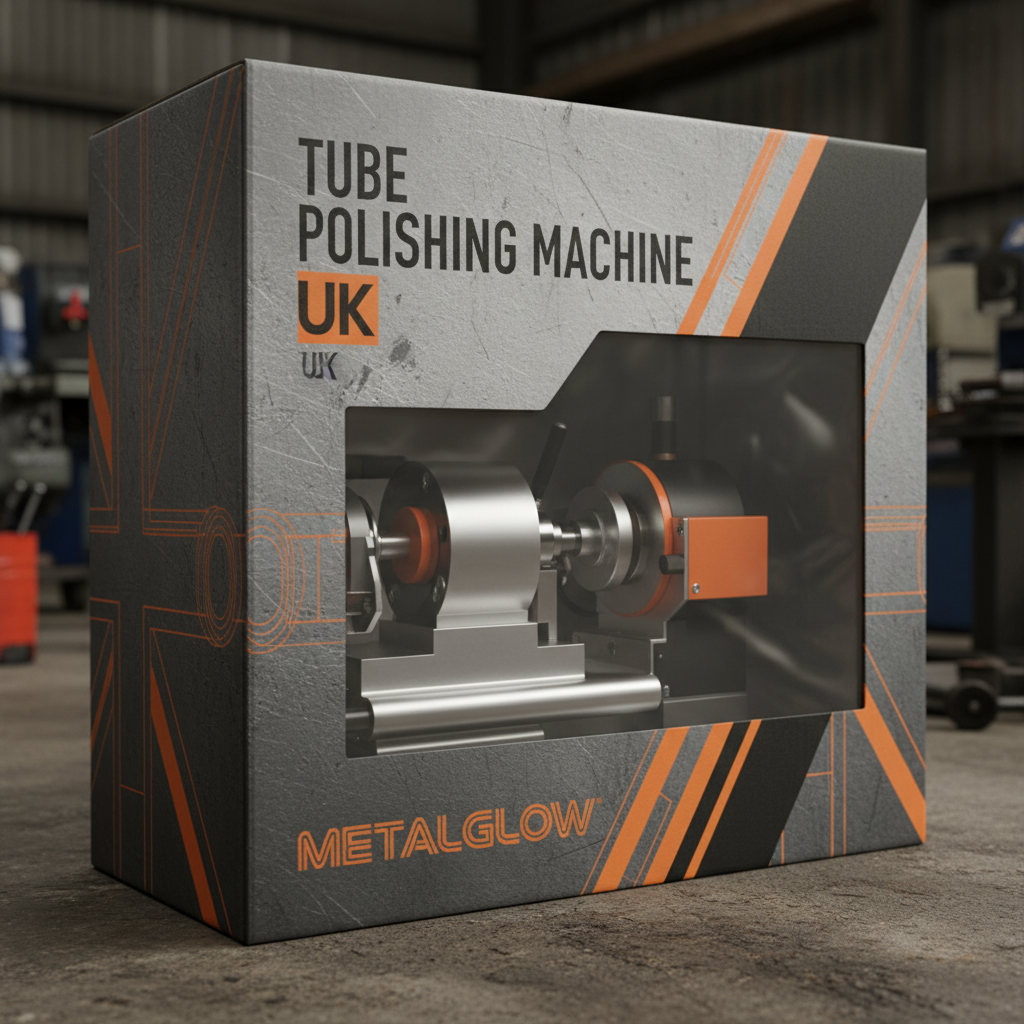
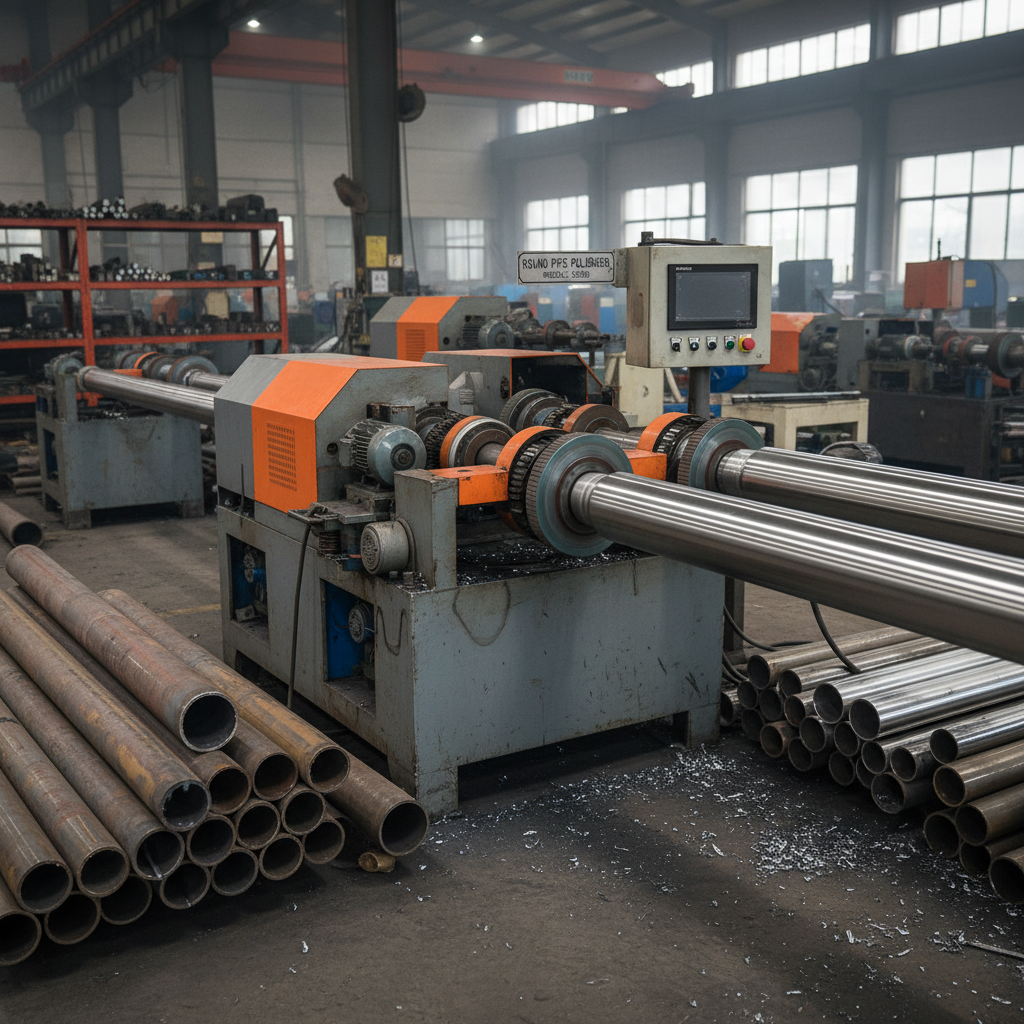
The precision and finish of metal tubes are critical across diverse industries, from aerospace and automotive to medical equipment and consumer goods. Achieving a flawless surface isn’t merely aesthetic; it directly impacts performance, durability, and functionality. This is where a metal tube polishing machine becomes indispensable, offering a controlled and efficient means of refining these crucial components. Understanding the nuances of these machines, their applications, and future trends is paramount for manufacturers striving for excellence.
Globally, the demand for high-quality metal tubes continues to surge, driven by infrastructure development, technological advancements, and increasing consumer expectations. Countries with robust manufacturing sectors, such as China, Germany, and the United States, represent key markets for these polishing solutions. However, challenges remain in optimizing energy consumption, minimizing waste, and adapting to evolving material compositions. A modern metal tube polishing machine addresses these challenges head-on, offering sustainable and cost-effective solutions.
The need for precise and efficient metal finishing has spurred innovation in polishing technologies. Traditional methods often involved manual labor and inconsistent results. Today's metal tube polishing machine offers automated, repeatable, and high-quality results, vital for industries adhering to strict quality control standards and demanding high production volumes.
The Importance of Metal Tube Polishing Machines
Metal tube polishing machines are more than just finishing tools; they are integral to ensuring the reliability and longevity of products across various sectors. A properly polished surface reduces friction, minimizes corrosion, and enhances the aesthetic appeal of the tube, all contributing to improved performance.
The demand for highly polished metal tubes is increasing due to stringent quality standards in industries like pharmaceuticals and food processing, where hygiene and cleanliness are paramount. Using a metal tube polishing machine allows manufacturers to consistently meet these requirements.
Defining a Metal Tube Polishing Machine
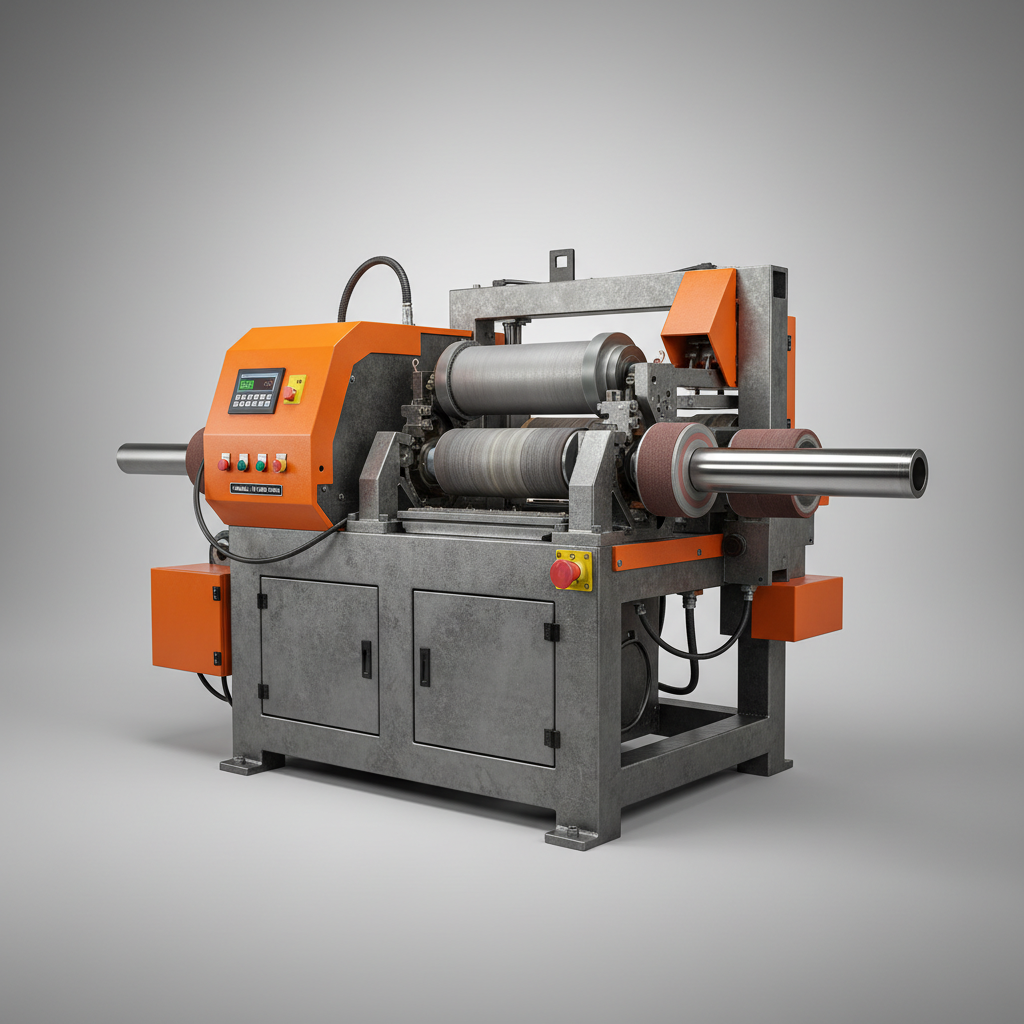
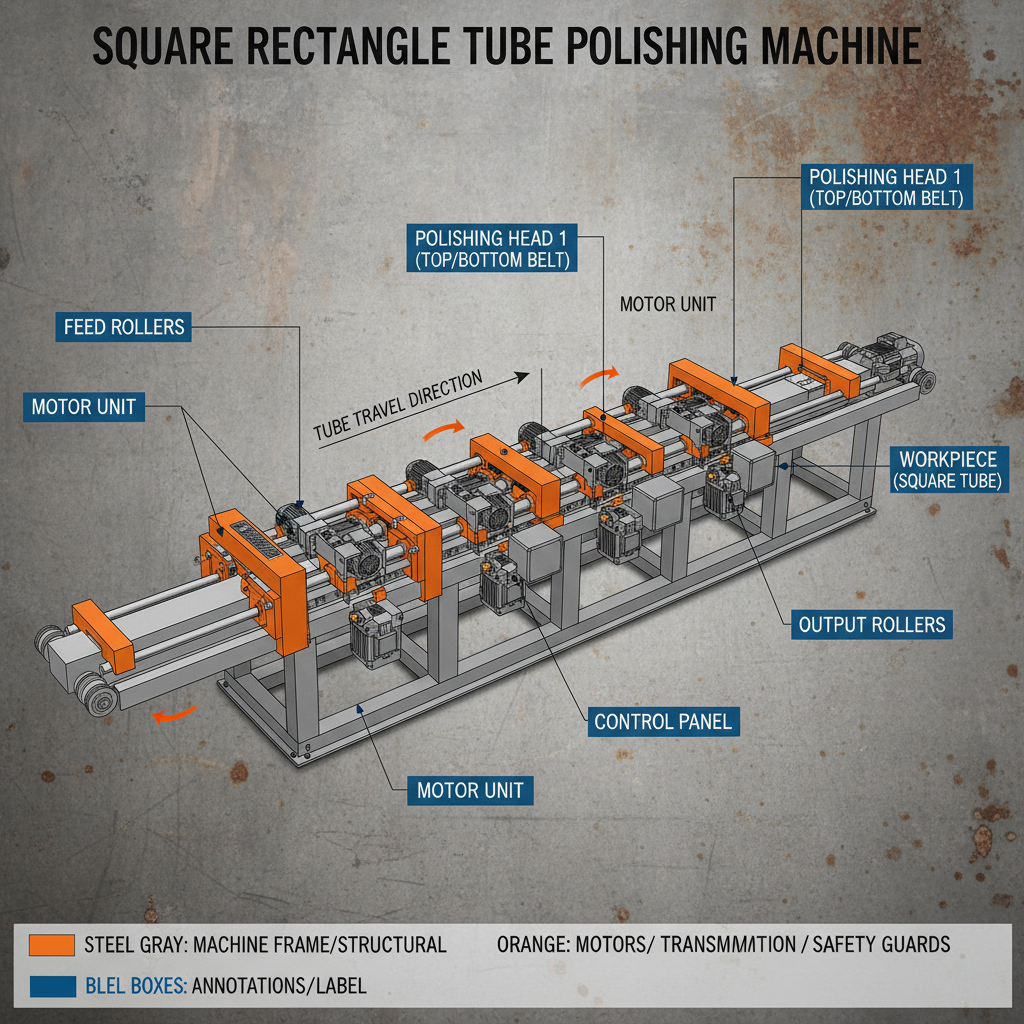
A metal tube polishing machine is a specialized piece of equipment designed to remove surface imperfections, such as scratches, burrs, and oxidation, from metal tubes. These machines utilize a variety of abrasive materials and techniques, including buffing, polishing, and deburring, to achieve a smooth, reflective, and consistent surface finish.
These machines are crucial in modern industry, ensuring the tubes used in everything from surgical instruments to automotive exhaust systems meet required specifications. The precision offered by these machines is essential for ensuring proper functionality and extending the lifespan of the finished product.
The connection to humanitarian needs is less direct but still relevant. High-quality, corrosion-resistant metal tubes are critical for water purification systems, medical devices deployed in disaster relief, and infrastructure projects in developing nations. A metal tube polishing machine contributes to the production of these vital components.
Key Factors Influencing Machine Performance
Several core factors determine the effectiveness and efficiency of a metal tube polishing machine. Processing Speed is crucial for meeting production demands, with advanced machines offering faster cycle times without compromising quality.
Material Compatibility is paramount; the machine must be able to handle a wide range of metal types, from stainless steel and aluminum to titanium and copper. Automation Level impacts labor costs and consistency. Fully automated systems minimize human error and increase throughput.
Polishing Compound Control is essential for achieving a consistent finish. Effective machines offer precise control over the application and removal of polishing compounds. Finally, Maintenance Requirements are vital, as minimal downtime translates to higher productivity.
Global Applications and Industry Use Cases
The applications of metal tube polishing machines are remarkably diverse. In the Automotive Industry, they ensure the flawless finish of exhaust systems, fuel lines, and structural components. The Aerospace Sector demands exceptionally high polishing standards for hydraulic lines, engine parts, and structural elements, where surface integrity is critical for safety.
The Medical Device Industry utilizes polished tubes for surgical instruments, implants, and diagnostic equipment, requiring a biocompatible and sterile surface. In Food and Beverage Processing, polished tubes are essential for maintaining hygiene and preventing contamination. These applications are prevalent in regions with established manufacturing sectors, such as North America, Europe, and East Asia.
For example, in remote industrial zones of Southeast Asia, metal tube polishing machine are essential for local manufacturers supplying components to global supply chains. Similarly, in post-disaster relief operations, reliably polished metal tubes are used for constructing temporary water purification systems, delivering safe drinking water to affected communities.
Metal Tube Polishing Methods Comparison
Advantages and Long-Term Value Proposition
Investing in a quality metal tube polishing machine offers substantial tangible benefits. Cost savings are realized through reduced labor requirements, minimized material waste, and improved product quality, leading to fewer defects and returns.
Sustainability is enhanced by optimizing energy consumption and reducing the need for harsh chemicals. The enhanced durability and corrosion resistance of polished tubes translate into a longer product lifespan, reducing the environmental impact of frequent replacements. Furthermore, the precision and consistency of these machines build trust with customers and strengthen brand reputation.
Future Trends and Technological Innovations
The future of metal tube polishing is leaning toward automation and integration with Industry 4.0 principles. Expect to see increased use of robotic arms, AI-powered process control, and real-time data analytics to optimize performance and minimize downtime.
The development of more eco-friendly polishing compounds and the incorporation of closed-loop recycling systems for water and abrasive materials will also be key trends. Digital twin technology will allow for virtual simulations of the polishing process, enabling manufacturers to fine-tune parameters and predict potential issues before they arise.
Challenges and Innovative Solutions
One major challenge is achieving consistent results across different metal types and tube geometries. Traditional machines often require manual adjustments, leading to variability. Innovative solutions include adaptive polishing algorithms that automatically adjust parameters based on real-time feedback from sensors.
Another challenge is minimizing energy consumption and waste generation. Utilizing energy-efficient motors, optimizing polishing compound usage, and implementing closed-loop recycling systems are crucial steps. The development of dry polishing techniques, which eliminate the need for water-based coolants, is also a promising area of research.
Finally, adapting to the increasing demand for smaller diameter and thinner-walled tubes requires advancements in machine design and polishing techniques. Precise control over pressure and abrasive particle size is essential to prevent tube deformation or damage.
Core Considerations for Metal Tube Polishing Machine Selection
| Tube Material |
Production Volume |
Required Finish |
Automation Level |
| Stainless Steel |
High (5000+ tubes/month) |
Mirror Finish |
Fully Automated |
| Aluminum |
Medium (1000-5000 tubes/month) |
Satin Finish |
Semi-Automated |
| Titanium |
Low (Under 1000 tubes/month) |
High-Precision Finish |
Manual Control |
| Copper |
Medium (1000-5000 tubes/month) |
Bright Finish |
Semi-Automated |
| Carbon Steel |
High (5000+ tubes/month) |
Corrosion-Resistant Finish |
Fully Automated |
| Alloy Steel |
Low (Under 1000 tubes/month) |
Precision Surface Finish |
Manual Control |
FAQS
When choosing a metal tube polishing machine, prioritize factors like the types of materials you'll be polishing, the required finish quality, production volume, the level of automation needed, and the machine's energy efficiency. Consider your budget and long-term maintenance costs as well. A machine that doesn’t match your specific needs can lead to inefficiencies and compromised product quality.
Maintenance frequency varies depending on the machine's complexity and usage. Generally, routine maintenance includes checking and replacing polishing belts/wheels, cleaning filters, lubricating moving parts, and inspecting electrical connections. A preventative maintenance schedule recommended by the manufacturer is crucial to avoid unexpected downtime and prolong the machine's lifespan.
Most metal tube polishing machines are versatile and can handle a wide range of materials, including stainless steel, aluminum, copper, brass, titanium, and various alloys. However, some machines are specifically designed for certain materials. Always verify the machine’s compatibility with the metal tubes you intend to polish to ensure optimal results and prevent damage.
Essential safety features include emergency stop buttons, guarding around moving parts, dust extraction systems to prevent inhalation of polishing debris, and electrical safety certifications. Proper training for operators is also critical. Ensure the machine complies with relevant safety standards and regulations in your region.
ROI varies significantly based on factors like production volume, labor costs, and the value of the polished tubes. However, the increased efficiency, reduced labor costs, and improved product quality typically lead to a relatively quick ROI. A detailed cost-benefit analysis, considering these factors, is recommended before making a purchase.
Manual machines are ideal for low-volume, specialized applications. Semi-automatic machines offer a balance between automation and operator control, suitable for medium production volumes. Fully automatic machines are best for high-volume production where consistency and minimal labor are essential. The selection depends on your specific production needs and budget constraints.
Conclusion
In conclusion, a metal tube polishing machine represents a vital investment for any manufacturer prioritizing quality, efficiency, and sustainability. From automotive and aerospace to medical and food processing, the benefits are far-reaching, impacting product performance, durability, and overall customer satisfaction. Understanding the key factors influencing machine performance, emerging trends, and potential challenges is crucial for making informed decisions.
As technology continues to advance, we can expect even more sophisticated and automated solutions to emerge, further enhancing the capabilities of these machines. By embracing innovation and prioritizing continuous improvement, manufacturers can unlock the full potential of metal tube polishing and maintain a competitive edge in the global marketplace. Visit our website at www.xielizz.com to learn more about our range of metal tube polishing machines.