The global manufacturing sector relies heavily on precision finishing processes, and the demand for efficient, adaptable solutions is constantly growing. A portable pipe polishing machine addresses a critical need for on-site finishing, particularly in industries like oil & gas, construction, and automotive where components often require polishing at the point of installation or fabrication. This avoids the logistical challenges and costs associated with transporting large, unwieldy parts to centralized polishing facilities.
The increasing complexity of modern piping systems and the stringent quality standards demanded by various regulations are driving the adoption of advanced polishing technologies. Traditional polishing methods can be time-consuming, labor-intensive, and difficult to control, leading to inconsistencies in surface finish and potential defects. Portable pipe polishing machines offer a targeted, precise, and repeatable solution to these challenges, enhancing product quality and reducing production time.
Furthermore, the portability of these machines provides unparalleled flexibility, enabling manufacturers and installers to tackle projects in remote locations, confined spaces, or challenging environments where fixed polishing setups are impractical. This adaptability is increasingly vital in a globalized world with expanding infrastructure projects and a growing emphasis on field maintenance and repair.
The Rise of Portable Pipe Polishing Technology
The demand for portable pipe polishing machines has surged in recent years, fueled by the expanding infrastructure projects worldwide and the need for efficient, high-quality finishing in diverse industrial applications. Traditionally, pipe polishing was confined to stationary workshops, requiring the transport of bulky pipes, increasing costs, and potentially introducing damage during transit. This also created bottlenecks in production schedules.
The advent of portable polishing technology has revolutionized this process, bringing the polishing capability directly to the workpiece. This eliminates the need for transportation, reduces handling risks, and enables quicker turnaround times, particularly crucial for projects with tight deadlines or in remote locations. The modern portable pipe polishing machine offers a cost-effective and efficient solution for achieving superior surface finishes.
Understanding Portable Pipe Polishing Machines
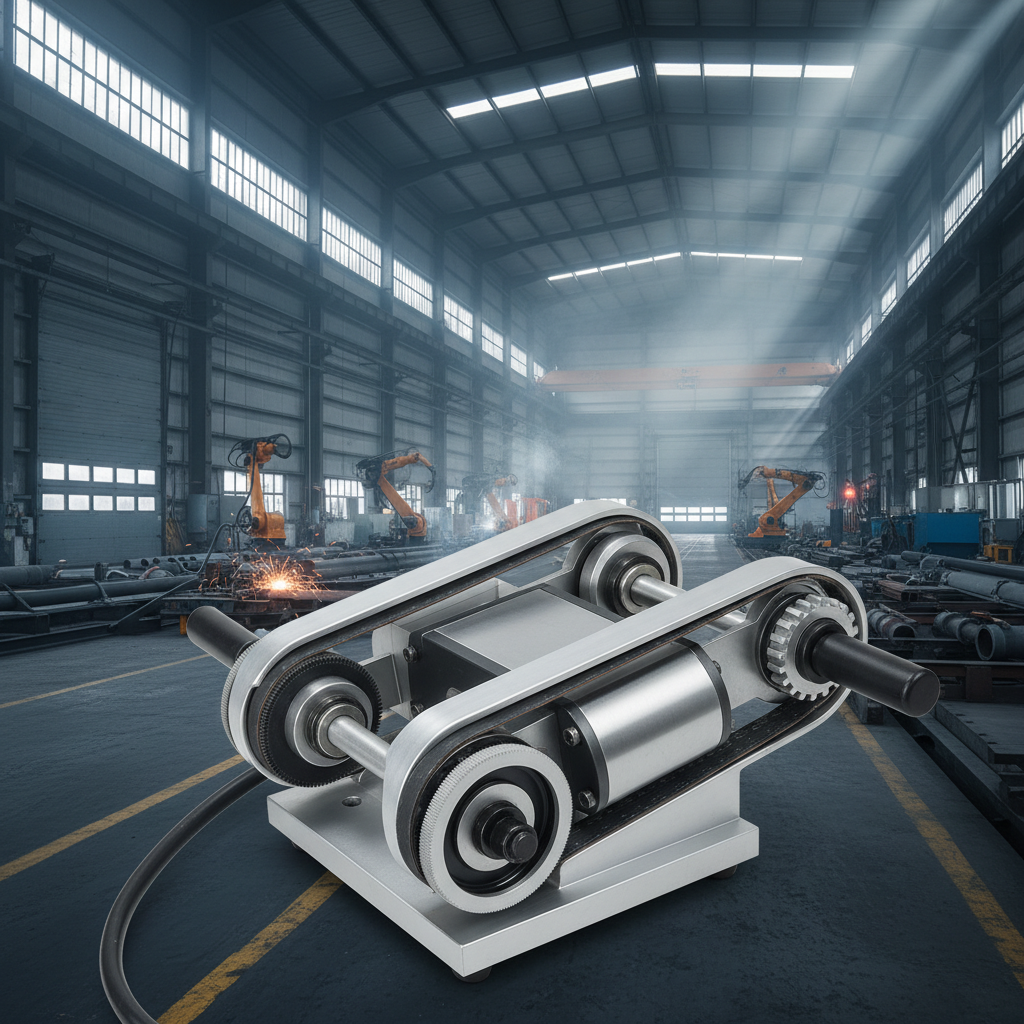
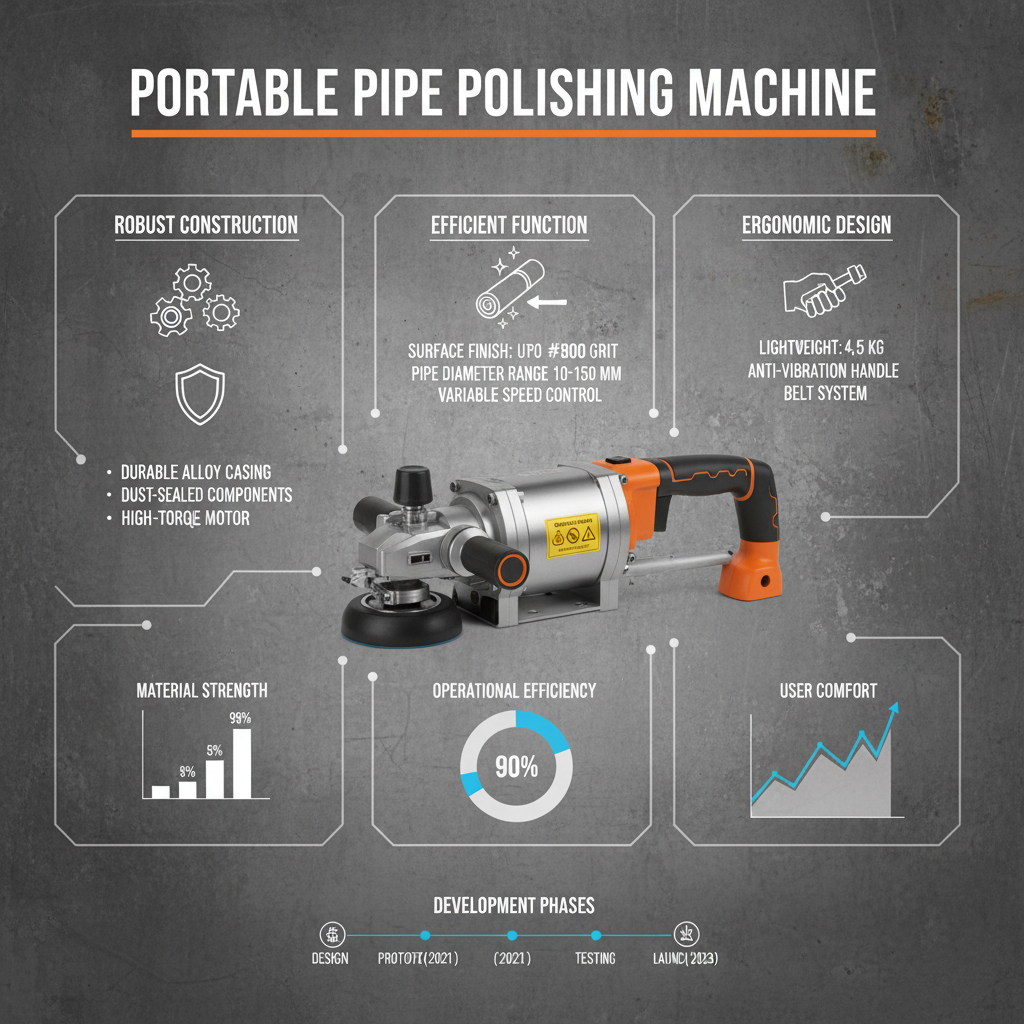
A portable pipe polishing machine is a self-contained unit designed to deliver a smooth, mirror-like finish to the interior and/or exterior surfaces of pipes and tubes. Unlike traditional stationary polishing machines, these units are designed for mobility and can be easily transported to the job site. They typically employ abrasive belts, brushes, or polishing compounds in conjunction with motorized drive systems to remove imperfections and achieve the desired level of polish.
These machines come in a range of configurations to accommodate various pipe sizes, materials (stainless steel, carbon steel, aluminum, etc.), and polishing requirements. Some models are specifically designed for on-site welding seam polishing, while others excel at achieving a high-gloss finish for aesthetic applications. The best portable pipe polishing machine will be determined by the specific needs of the project.
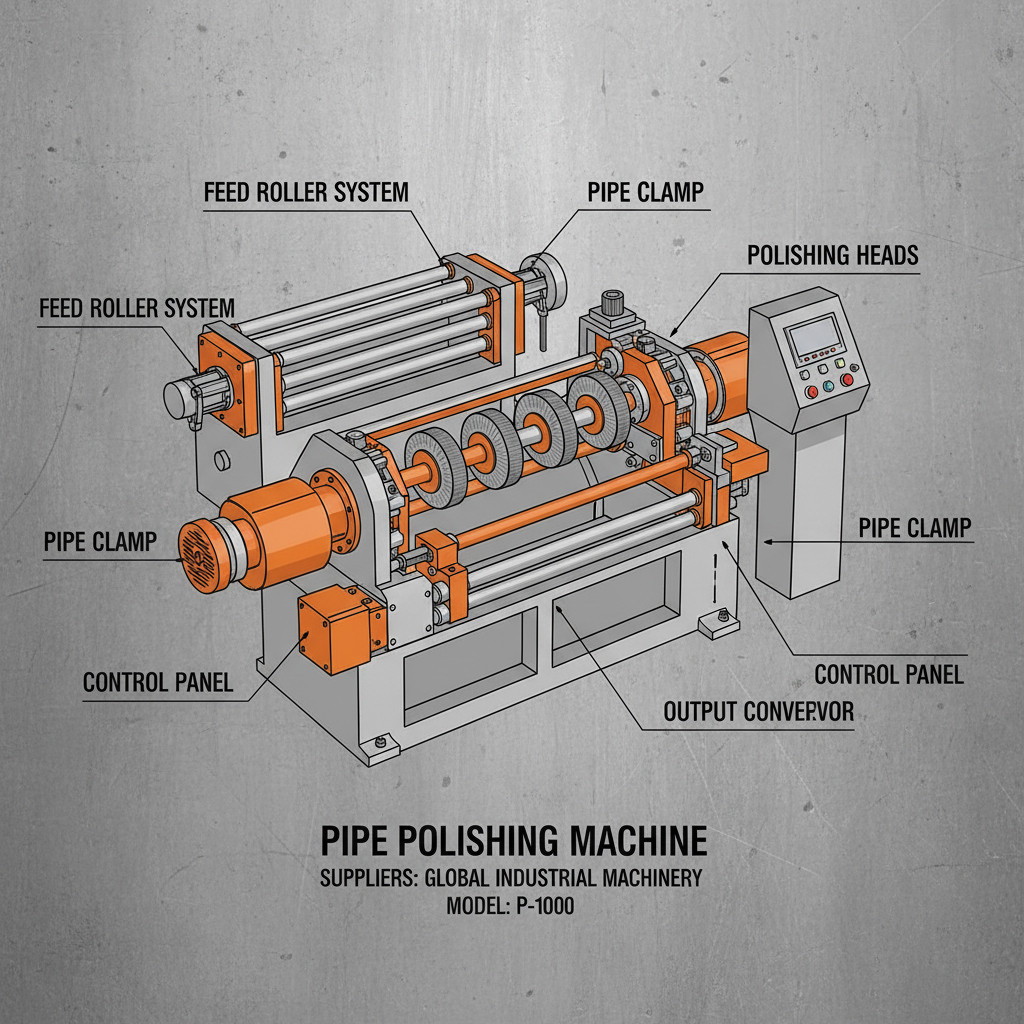
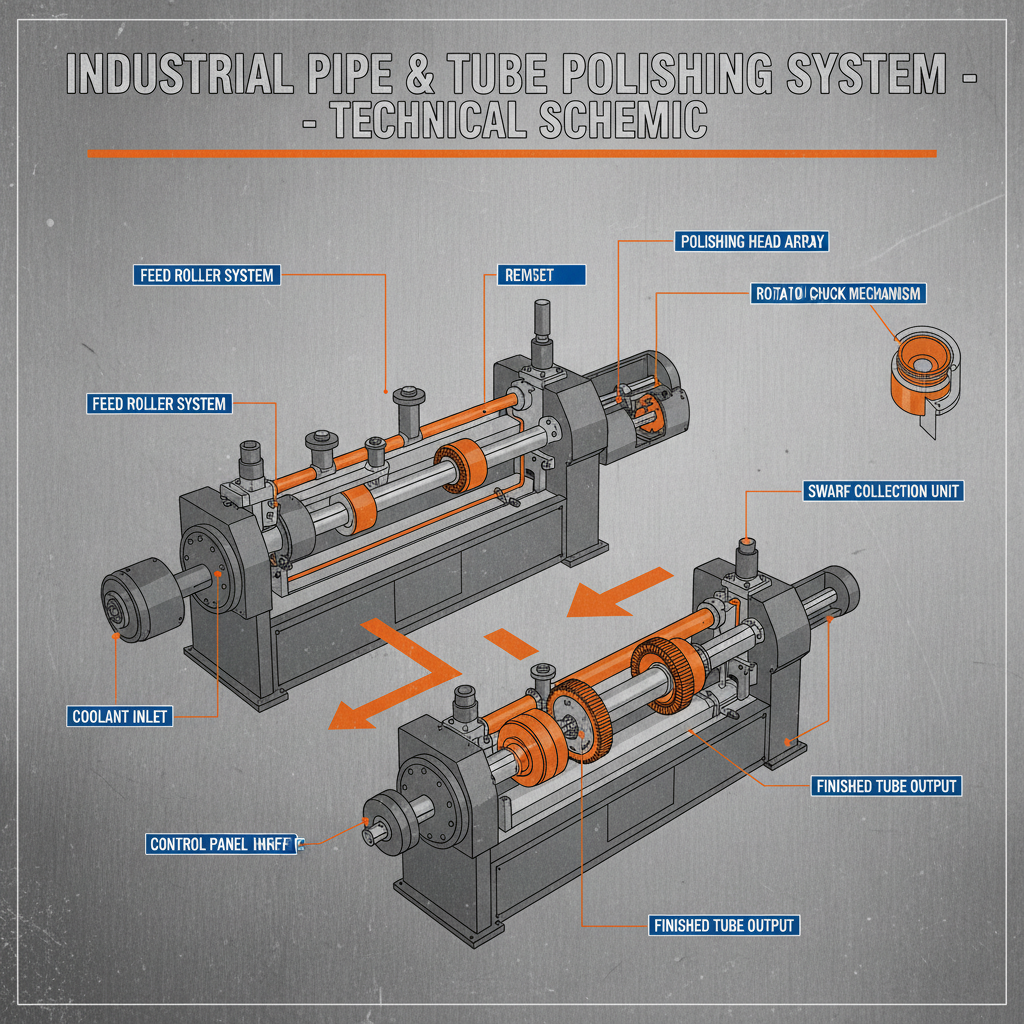
Key components generally include a power source (electric, pneumatic, or hydraulic), a drive motor, a polishing head with interchangeable abrasive tools, a support frame, and control mechanisms for adjusting speed, pressure, and direction. Modern models may also feature dust extraction systems and variable speed controls for greater precision and operator comfort.
Core Capabilities of Portable Pipe Polishers
One of the core capabilities of a portable pipe polishing machine is its adaptability to various pipe materials. Whether working with stainless steel, carbon steel, aluminum, or even specialized alloys, a properly equipped machine can deliver consistent, high-quality results. This adaptability extends to pipe diameters as well, with machines available to handle a wide range of sizes, from small tubing to large-diameter pipelines.
Another critical capability is the ability to address different types of surface imperfections. Portable polishers can effectively remove weld seams, burrs, scratches, oxidation, and other surface defects, restoring the pipe to its original smooth and polished condition. They are also instrumental in preparing surfaces for subsequent coating or finishing processes. The level of polish can be precisely controlled, ranging from a satin finish to a mirror-like shine.
Furthermore, the portability itself is a core capability. The ability to bring the polishing process directly to the workpiece significantly reduces downtime, transportation costs, and the risk of damage. This is particularly valuable in situations where pipes are already installed or are part of a complex system, making removal and transportation impractical.
Global Applications & Industries Served
Portable pipe polishing machines find applications across a vast spectrum of industries globally. In the oil & gas sector, they are crucial for polishing pipelines, heat exchangers, and other critical components to prevent corrosion and ensure efficient flow. The construction industry utilizes them for polishing stainless steel railings, architectural features, and plumbing systems.
The automotive industry relies on these machines for polishing exhaust systems, fuel lines, and decorative trim, enhancing both performance and aesthetics. Food and beverage processing plants use them to maintain the hygiene and corrosion resistance of stainless steel pipes used in conveying liquids and powders. Furthermore, the pharmaceutical industry employs these machines for polishing the highly critical tubing used in manufacturing processes.
Geographically, the demand is strongest in regions with extensive infrastructure development and robust manufacturing sectors, such as North America, Europe, and Asia-Pacific. However, their versatility makes them invaluable in remote locations and developing countries where access to traditional polishing facilities is limited.
Polishing Machine Application Areas
Benefits and Long-Term Value Proposition
Investing in a portable pipe polishing machine delivers tangible benefits beyond immediate polishing needs. The reduction in labor costs, transportation expenses, and downtime translates to significant cost savings over the machine’s lifespan. The ability to perform on-site polishing eliminates the need for specialized facilities and reduces the risk of damage to components during transit.
From a sustainability perspective, minimizing transportation contributes to a lower carbon footprint. The precision of these machines also reduces material waste by ensuring accurate polishing and minimizing the need for rework. The increased efficiency of the polishing process leads to greater productivity and faster project completion.
Future Trends and Technological Advancements
The future of portable pipe polishing machines is poised for significant advancements. Automation is a key trend, with the development of robotic polishing systems that can operate autonomously, further reducing labor costs and improving consistency. Integration with digital technologies, such as IoT sensors and data analytics, will enable real-time monitoring of polishing parameters and predictive maintenance.
New abrasive materials and polishing compounds are being developed to enhance performance and reduce environmental impact. The focus on sustainable manufacturing practices will drive demand for eco-friendly polishing solutions and machines with reduced energy consumption. Furthermore, advancements in machine learning algorithms will enable machines to adapt to different materials and polishing requirements automatically.
We are also seeing the integration of enhanced safety features, such as improved dust extraction systems and ergonomic designs, to protect operators and create a more comfortable working environment.
Addressing Challenges and Optimizing Performance
Despite their many advantages, portable pipe polishing machines can present certain challenges. Maintaining consistent polishing pressure and speed can be difficult, particularly in confined spaces or on complex geometries. Proper operator training is crucial to ensure optimal performance and prevent damage to the workpiece.
Addressing these challenges requires selecting the right machine for the specific application, providing adequate training to operators, and implementing regular maintenance procedures. Utilizing high-quality abrasive materials and polishing compounds is also essential for achieving consistent results. The adoption of advanced control systems and automation technologies can further enhance precision and repeatability.
Consideration of dust control is also key; investing in machines with effective dust extraction systems is paramount for operator health and safety, as well as maintaining a clean work environment.
Analysis of Portable Pipe Polishing Machine Performance Metrics
| Polishing Time (Minutes) |
Surface Roughness (Ra, μm) |
Material Removal Rate (mm/hr) |
Operator Skill Level (1-5) |
| 15 |
0.8 |
2.5 |
3 |
| 20 |
0.6 |
3.0 |
4 |
| 12 |
1.0 |
2.0 |
2 |
| 25 |
0.5 |
3.5 |
5 |
| 18 |
0.7 |
2.8 |
3 |
| 22 |
0.9 |
2.2 |
4 |
FAQS
Portable pipe polishing machines offer significant advantages over traditional methods. They eliminate the need to transport large or installed pipes to a workshop, reducing costs, damage risk, and downtime. They also provide greater flexibility, enabling polishing in confined spaces and remote locations. The improved control leads to more consistent surface finishes and reduced material waste.
Most portable pipe polishing machines can effectively handle a wide range of materials, including stainless steel, carbon steel, aluminum, and various alloys. The specific abrasive tools and polishing compounds used will need to be selected based on the material being polished to achieve optimal results. Proper training and application knowledge are key.
Adequate operator training is crucial for safe and effective operation. Training should cover machine setup, abrasive selection, polishing techniques, safety procedures, and maintenance protocols. Understanding the specific characteristics of the materials being polished is also important. Certification programs are often available from machine manufacturers.
Safety is paramount. Always wear appropriate personal protective equipment (PPE), including eye protection, hearing protection, and a dust mask. Ensure the machine is properly grounded and that all safety guards are in place. Avoid loose clothing and jewelry. Never operate the machine if it is damaged or malfunctioning. Always adhere to the manufacturer's safety guidelines.
Regular maintenance is essential for prolonging the machine’s lifespan and ensuring consistent performance. This includes cleaning the machine after each use, inspecting abrasive tools for wear and tear, lubricating moving parts, and checking electrical connections. Refer to the manufacturer's manual for specific maintenance recommendations.
The cost of a high-quality portable pipe polishing machine can vary significantly depending on its features, capacity, and automation level. Typically, prices range from $5,000 to $20,000 or more. Consider the long-term benefits and return on investment when evaluating different models and features.
Conclusion
In conclusion, portable pipe polishing machines represent a significant advancement in surface finishing technology, offering unparalleled flexibility, efficiency, and cost savings. Their adaptability to various materials and applications makes them an invaluable tool for a wide range of industries globally. The ability to perform on-site polishing reduces downtime, minimizes transportation costs, and ensures consistent, high-quality results.
Looking ahead, continued innovation in automation, materials science, and digital integration will further enhance the capabilities of these machines, making them even more versatile and effective. Investing in a portable pipe polishing machine is not merely a purchase, but a strategic investment in improved productivity, reduced costs, and enhanced product quality. Visit our website at www.xielizz.com to explore our range of solutions and discover how we can help you optimize your polishing processes.