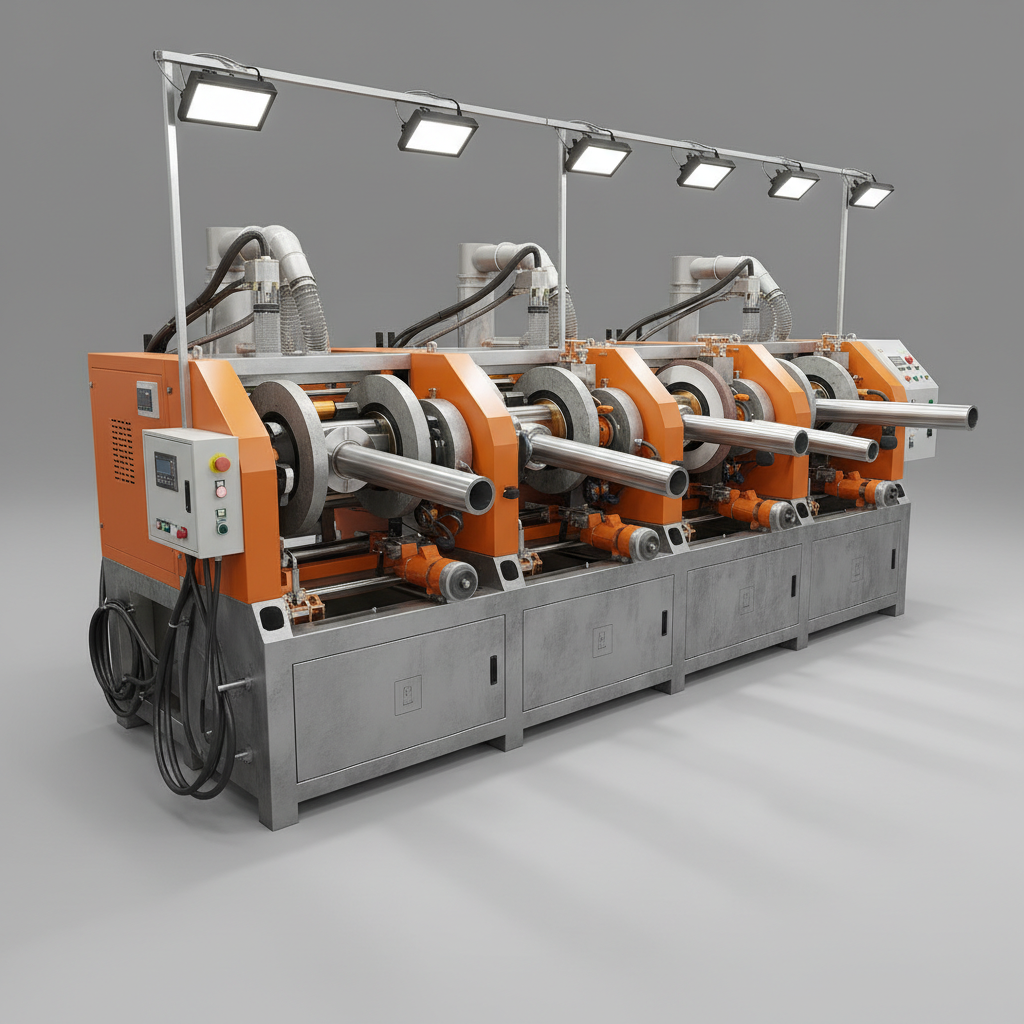
The demand for high-quality surface finishes is paramount across numerous industries, and the polishing of stainless steel pipes is a crucial process in achieving this. A polishing machine for stainless steel pipe is specifically designed to deliver consistent, smooth, and aesthetically pleasing results, vital for applications ranging from architectural elements to hygienic piping systems. Understanding the nuances of these machines—their types, capabilities, and optimal applications—is essential for manufacturers striving for excellence and efficiency.
Globally, the stainless steel pipe market is experiencing significant growth, fueled by increased construction, infrastructure development, and the rising demand for corrosion-resistant materials. This growth directly correlates with the need for effective polishing solutions. According to recent reports, the stainless steel pipe market is projected to reach \$85.7 billion by 2027, highlighting a substantial opportunity for advanced polishing technologies. Efficient and reliable polishing machines for stainless steel pipe address the increasing demand for higher throughput and consistent quality.
The core challenge lies in achieving a flawless finish without compromising the structural integrity of the pipe or incurring excessive costs. Traditional polishing methods are often labor-intensive and prone to inconsistencies. A dedicated polishing machine for stainless steel pipe provides a controlled and automated solution, mitigating these risks and ensuring superior results. This is particularly critical in industries where surface finish directly impacts performance and safety, such as the pharmaceutical, food processing, and medical sectors.
The Importance of Polishing Machine for Stainless Steel Pipe
A polishing machine for stainless steel pipe isn’t merely a finishing tool; it’s a critical component in ensuring the longevity, hygiene, and aesthetic appeal of stainless steel products. The process removes surface imperfections, burrs, and oxidation layers, creating a smooth, reflective finish that enhances corrosion resistance. This is particularly crucial for pipes used in demanding environments like chemical processing plants or food production facilities.
The increasing stringency of industry standards—such as those related to sanitary design in the food and beverage sector—demands increasingly precise and consistent polishing. Manual polishing often struggles to meet these requirements, making automated polishing machines for stainless steel pipe an indispensable asset for manufacturers aiming for compliance and quality assurance.
Defining Polishing Machine for Stainless Steel Pipe
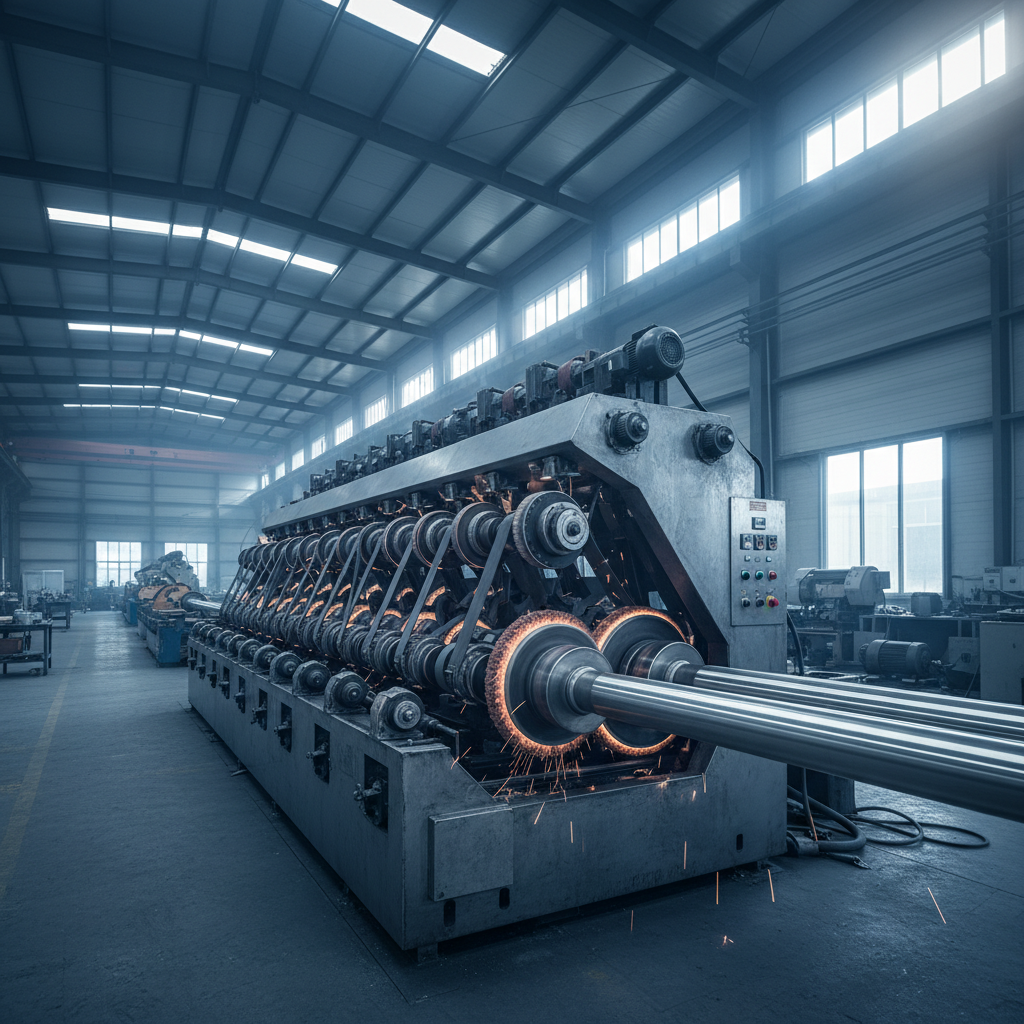
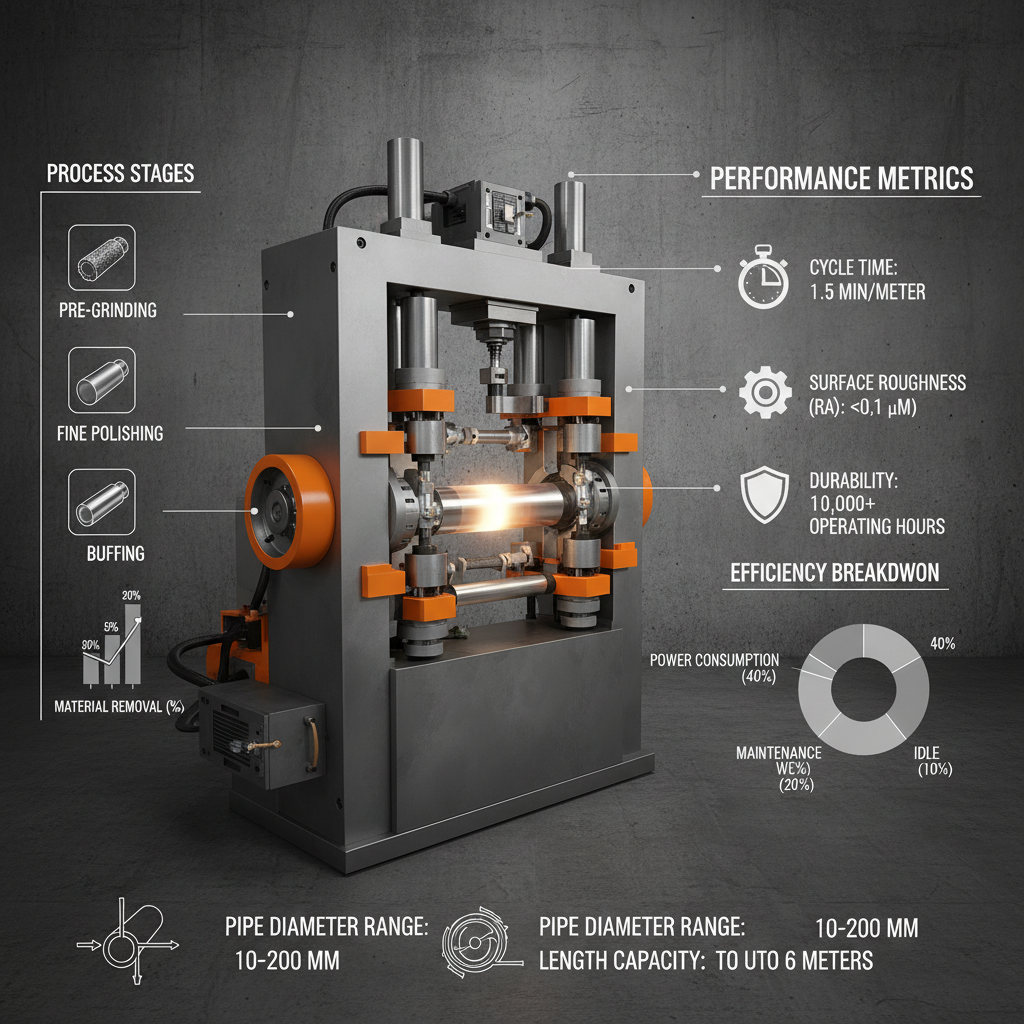
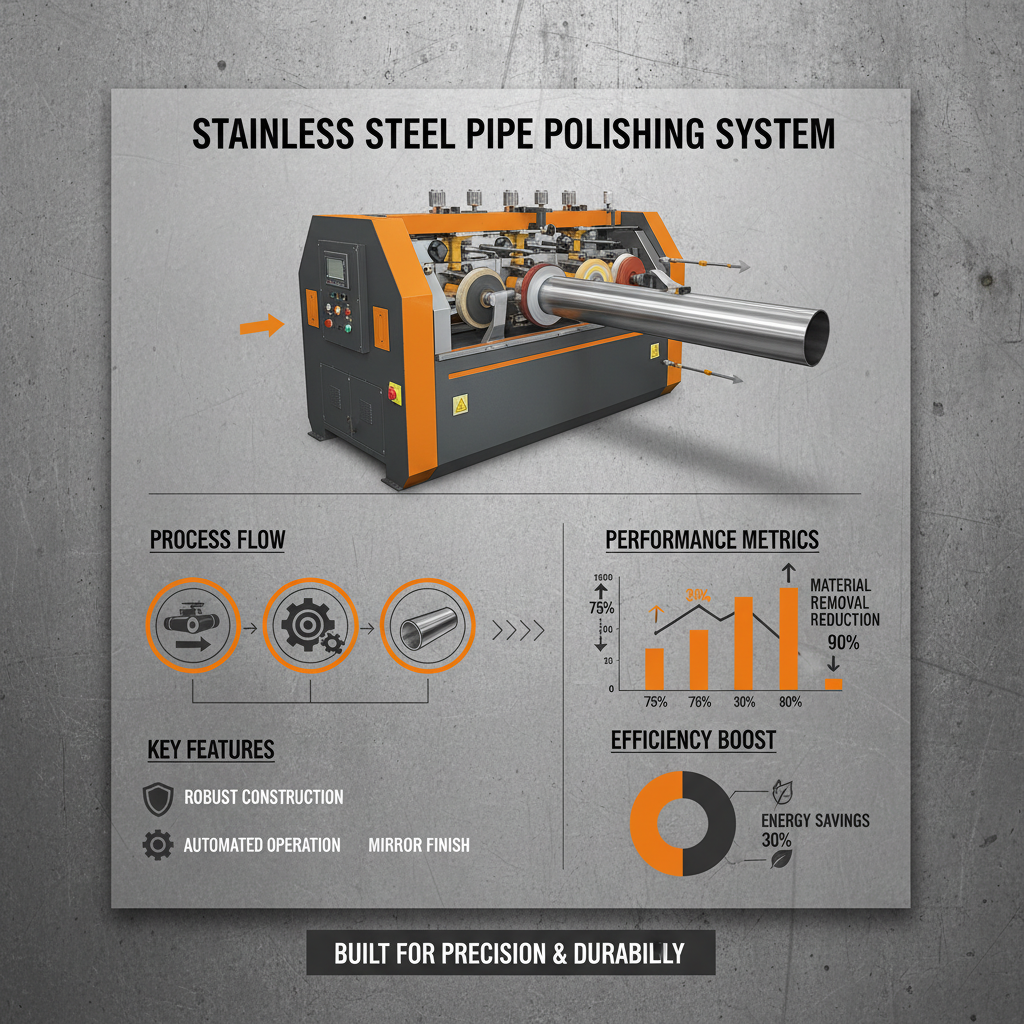
A polishing machine for stainless steel pipe is an automated or semi-automated system designed to refine the surface of stainless steel pipes through abrasive action. These machines utilize a variety of polishing media—such as abrasive belts, compounds, and polishing wheels—to remove imperfections and achieve a desired surface finish, ranging from a brushed look to a mirror-like shine.
Different types of machines cater to specific pipe diameters, lengths, and production volumes. From single-station manual polishing machines suitable for small-batch work to multi-station, fully automated lines capable of continuous high-volume production, the choice of machine depends heavily on the specific application and operational requirements.
The connection to modern industry is clear: in an age of increasing demand for durable, hygienic, and visually appealing products, a precise and efficient polishing machine for stainless steel pipe is essential for maintaining a competitive edge and meeting stringent quality standards.
Key Factors Influencing Polishing Machine Selection
Several key factors must be considered when selecting a polishing machine for stainless steel pipe. Firstly, pipe diameter and wall thickness dictate the required machine capacity and polishing head configuration. Larger diameter pipes necessitate machines with broader polishing belts or wheels and higher motor power.
Secondly, the desired surface finish – whether a brushed, satin, or mirror polish – determines the type of abrasive media and polishing parameters required. Different abrasives and polishing compounds yield varying degrees of reflectivity and smoothness. Thirdly, production volume and automation level are crucial. High-volume manufacturers typically opt for fully automated machines to maximize efficiency and minimize labor costs.
Finally, material compatibility and machine durability are paramount. The machine must be constructed from materials resistant to corrosion and wear, ensuring long-term reliability and minimizing maintenance requirements. Choosing a machine from a reputable manufacturer with a proven track record is essential.
Global Applications of Stainless Steel Pipe Polishing
The applications of polished stainless steel pipes are incredibly diverse and span numerous industries worldwide. In the pharmaceutical and food processing sectors, polished pipes are crucial for maintaining hygienic conditions and preventing contamination. The smooth, non-porous surface minimizes bacterial adhesion, facilitating thorough cleaning and sterilization.
The architectural and construction industries heavily rely on polished stainless steel pipes for railings, handrails, and decorative elements. The aesthetic appeal and corrosion resistance of polished stainless steel make it a popular choice for both interior and exterior applications. In the automotive industry, polished pipes are used in exhaust systems and decorative trim.
Regions with thriving manufacturing sectors, such as China, Germany, the United States, and Japan, are major consumers of polishing machines for stainless steel pipe. Developing economies in Southeast Asia and Latin America are also experiencing increased demand as their industrial bases expand.
Stainless Steel Pipe Polishing Methods Effectiveness
Advantages and Long-Term Value
Investing in a high-quality polishing machine for stainless steel pipe delivers a multitude of tangible benefits. These include reduced labor costs through automation, increased production throughput, consistent surface finish quality, and minimized material waste. The enhanced corrosion resistance resulting from proper polishing extends the lifespan of the pipes, reducing replacement costs.
Beyond the economic advantages, a polished surface enhances product aesthetics, contributing to brand reputation and customer satisfaction. In critical applications, the improved hygiene and ease of cleaning translate to significant safety benefits and reduced risk of contamination. This long-term value—combining cost savings, quality improvement, and enhanced safety—makes a polishing machine for stainless steel pipe a worthwhile investment for any manufacturer.
Future Trends and Innovations in Stainless Steel Pipe Polishing
The future of stainless steel pipe polishing is marked by a trend toward greater automation, precision, and sustainability. Advancements in robotics and machine learning are enabling the development of "smart" polishing machines capable of self-optimization and predictive maintenance. These machines can automatically adjust polishing parameters based on pipe geometry and material properties, ensuring optimal results.
The use of environmentally friendly polishing compounds and reduced water consumption are also gaining prominence, driven by growing environmental concerns and stricter regulations. Furthermore, the integration of digital technologies—such as real-time monitoring and data analytics—allows manufacturers to track polishing performance, identify bottlenecks, and optimize production processes.
Challenges and Solutions in Stainless Steel Pipe Polishing
Despite the advancements in polishing technology, several challenges remain. Achieving a consistent finish on pipes with complex geometries or varying surface conditions can be difficult. Maintaining optimal polishing parameters and preventing over-polishing or under-polishing requires careful control and monitoring.
One solution lies in the implementation of advanced sensor technologies and closed-loop control systems. These systems can continuously monitor polishing pressure, speed, and temperature, adjusting parameters in real-time to ensure consistent results. Another challenge is the proper disposal of used polishing compounds and waste materials. Implementing environmentally responsible waste management practices is crucial.
Addressing these challenges requires a collaborative effort between machine manufacturers, polishing compound suppliers, and end-users, focusing on innovation, sustainability, and continuous improvement.
Summary of Challenges and Solutions in Stainless Steel Pipe Polishing
| Challenge |
Impact on Polishing Quality |
Potential Solutions |
Implementation Cost (1-10) |
| Complex Pipe Geometry |
Inconsistent Finish, Difficulty Reaching All Areas |
Robotic Polishing Arms, Automated Head Adjustment |
8 |
| Maintaining Consistent Pressure |
Uneven Polishing, Surface Imperfections |
Closed-Loop Control Systems, Pressure Sensors |
7 |
| Waste Management of Polishing Compounds |
Environmental Impact, Disposal Costs |
Recycling Programs, Environmentally Friendly Compounds |
5 |
| Operator Skill Level |
Variations in Polishing Quality, Increased Errors |
Automated Systems, Comprehensive Training Programs |
6 |
| Machine Maintenance Requirements |
Downtime, Reduced Production Capacity |
Predictive Maintenance Systems, Regular Inspections |
4 |
| Achieving Specific Surface Finishes |
Difficulty Meeting Customer Specifications |
Variable Speed Control, Customizable Polishing Programs |
7 |
FAQS
The lifespan of a polishing machine for stainless steel pipe largely depends on the quality of construction, maintenance practices, and usage intensity. Generally, with proper care and regular servicing, a well-built machine can operate effectively for 10-15 years, or even longer. Factors like the frequency of use, the type of materials being polished, and the severity of the operating environment all play a role in determining longevity.
The cost of a polishing machine for stainless steel pipe varies considerably based on its size, automation level, and features. Basic manual machines can start around \$5,000, while fully automated, high-capacity systems can easily exceed \$100,000. A mid-range, semi-automatic machine suitable for moderate production volumes typically costs between \$20,000 and \$50,000.
Regular maintenance is crucial for ensuring the reliable performance of a polishing machine for stainless steel pipe. This includes daily cleaning, lubricating moving parts, inspecting belts and abrasives for wear, and periodically checking electrical components. Annual preventative maintenance by a qualified technician is also recommended to identify and address potential issues before they lead to costly downtime.
Safety is paramount. A polishing machine for stainless steel pipe should include features such as emergency stop buttons, safety guards around moving parts, and dust extraction systems to protect operators from airborne particles. Compliance with relevant safety standards (like CE marking) is also essential to ensure the machine has been thoroughly tested and meets safety requirements.
Many polishing machines for stainless steel pipe are designed to accommodate a range of diameters and lengths. However, it’s important to check the machine’s specifications to ensure it can handle the specific dimensions of the pipes you’ll be polishing. Some machines have adjustable polishing heads or interchangeable tooling to provide greater versatility.
A variety of polishing compounds are used, including abrasive belts, polishing wheels, and liquid polishing compounds. The choice of compound depends on the desired surface finish and the material of the pipe. Common compounds include aluminum oxide, silicon carbide, and cerium oxide. It’s vital to use compounds specifically designed for stainless steel to avoid damaging the surface.
Conclusion
In conclusion, a polishing machine for stainless steel pipe is an indispensable investment for manufacturers seeking to enhance product quality, streamline production processes, and meet the demands of a competitive global market. From ensuring hygienic surfaces in critical applications to achieving aesthetically pleasing finishes in architectural designs, these machines play a vital role across numerous industries. Understanding the key factors influencing machine selection and staying abreast of emerging trends are crucial for maximizing return on investment.
Looking ahead, the integration of advanced technologies—such as automation, data analytics, and sustainable materials—will further revolutionize stainless steel pipe polishing. By embracing innovation and prioritizing efficiency, manufacturers can unlock new levels of productivity and quality, solidifying their position as leaders in their respective fields. For further information and tailored solutions, visit our website at www.xielizz.com.