
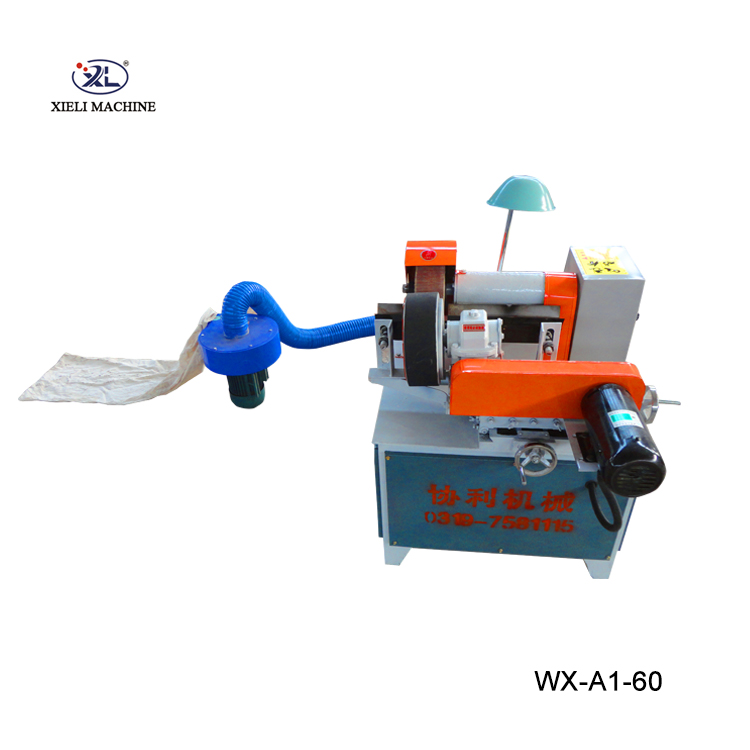
Centerless grinding is a specialized machining process designed for the high-precision finishing of cylindrical parts without the need for a center hole. This technology is critical for industries requiring tight tolerances on round rods, shafts, and tubes, where traditional cylindrical grinding would be too slow or restrictive. This article provides a technical overview of how to evaluate equipment for these applications and what factors influence a cnc centerless grinder quotation in a professional B2B context.
For procurement managers in hardware manufacturing or vehicle parts production, the choice of a grinder depends on the interplay between diameter ranges, surface roughness requirements, and throughput. Whether the goal is removing rust before polishing or achieving a mirror-like finish on hydraulic cylinders, the mechanical stability of the machine tool determines the final quality of the workpiece.
Readers will discover the essential technical parameters to verify when sourcing equipment, including guide wheel speed regulation and wheel specification compatibility. By understanding the relationship between machine structure and processing efficiency, buyers can make informed decisions that balance initial investment with long-term operational costs and maintenance requirements.
Precision Centerless Grinding Fundamentals
Unlike conventional grinding, centerless grinding supports the workpiece between a grinding wheel and a regulating wheel, with a work-rest blade supporting the part from below. This eliminates the time-consuming process of mounting parts between centers, making it the ideal solution for long, thin shafts and high-volume production of small-diameter round pipes. In the context of general equipment manufacturing, this process is indispensable for creating standardized parts for instrument machinery and electroplating industries. The efficiency of this system stems from its ability to handle a continuous flow of materials, reducing cycle times while maintaining consistent concentricity. Professional manufacturers, such as Xingtai Xieli Machinery Manufacturing Co., Ltd., focus on optimizing the steel structure of these machines to minimize vibration, which is the primary enemy of surface precision in high-speed grinding operations.
Procurement and Technical Evaluation Guide
When evaluating centerless grinding equipment, technical buyers must look beyond the price tag and analyze the specific capabilities of the machine relative to their workpiece geometry. The following seven dimensions provide a framework for assessing whether a specific model meets the industrial requirements for precision and durability.
Technical Specification Analysis
The core performance of a grinder is defined by its power input and speed control. Stepless speed regulation of the guide wheel allows operators to adjust the feed rate based on the material hardness and the desired removal rate. For example, the WX series offers varying input powers from 3.5kw to 6kw, catering to different diameters and material densities.
| Model Variant | Input Power (kW) | Machining Diameter (mm) | Surface Roughness (um) |
|---|---|---|---|
| WX-A1-60 | 3.5 | 1-120 | Ra 0.02 |
| WX-A1-120 | 4.5 | 50-180 | Ra 0.02 |
| WX-A2-60 | 6 | 1-120 | Ra 0.02 |
| WX-B1-60 | 4.5 | 1-120 | Ra 0.02 |
| WX-B1-120 | 4.5 | 50-180 | Ra 0.02 |
| Custom Spec | Variable | User-defined | Customizable |
Workpiece Compatibility and Range
A critical procurement mistake is selecting a machine with a limited diameter range. For hardware manufacturing, the ability to switch between small diameter round pipes and larger cylindrical components is essential. Machines must be evaluated based on their minimum and maximum machining diameters to ensure they can handle the full spectrum of a factory's product line, from thin shafts to heavy-duty hydraulic cylinders.
Abrasive Tooling Integration
The versatility of a centerless grinder depends on its ability to accept various polishing and grinding wheels. High-performance systems allow for the installation of Chiba wheels, hemp, nylon, wool, cloth, and PVA wheels. This flexibility ensures that the same machine can be used for coarse rust removal and final mirror polishing, depending on the abrasive medium selected.
Surface Finish and Precision Control
Achieving a surface roughness of Ra 0.02 requires not only a quality wheel but also a vibration-free environment. The interaction between the polishing wheel speed (typically around 3000 r/min) and the guide wheel speed is what defines the final finish. Precision is maintained through the synchronization of these components and the rigidity of the machine's frame.
Operational Stability and Steel Structure
In industrial grinding, the weight and structure of the machine tool directly impact performance. Heavier machines, such as those weighing up to 860kg, provide better damping against high-frequency vibrations. An optimized steel structure ensures that the equipment remains stable during continuous operation, which is vital for maintaining the tight tolerances required in vehicle parts manufacturing.
Dust Management and Environmental Safety
Metal grinding produces significant amounts of shavings and abrasive dust. Effective systems offer optional wet water cycle dust removal or dry fan dust removal. Implementing these options is not only a matter of cleanliness but also a safety requirement to prevent respiratory issues for operators and to protect the machine's internal electrical components from conductive dust.
Lifecycle Maintenance Strategies
To ensure long-term stability, a rigorous maintenance schedule is required. This includes regular lubrication of friction parts to prevent wear, frequent cleaning of accumulated metal particles, and the scheduled replacement of abrasive belts. Regular accuracy testing—measuring the size of finished parts—is necessary to detect wear in the guide wheels before it affects product quality.
FAQ
What is the main advantage of centerless grinding over cylindrical grinding?
The primary advantage is productivity and convenience. Centerless grinding does not require the workpiece to be held between centers, which significantly reduces setup time and allows for the processing of long, thin shafts that would otherwise bend under their own weight. This makes it far more efficient for high-volume production of round tubes and rods.
How do I choose the right polishing wheel for my material?
The choice depends on the desired finish. For heavy rust removal, coarser wheels like hemp or certain abrasive belts are used. For a high-gloss, mirror-like finish on steel or furniture parts, wool, cloth, or PVA wheels are recommended. The machine's ability to accommodate various wheel specifications (e.g., 2504032mm) allows for this versatility.
What factors most influence a cnc centerless grinder quotation?
The cost is primarily driven by the machine's machining diameter range, the input power of the motors, and the level of automation (CNC vs. manual). Additionally, optional features like wet/dry dust removal systems and customized steel structures for specific heavy-duty applications will affect the final pricing.
How often should the guide wheels be checked for accuracy?
Accuracy should be tested regularly, typically on a weekly or monthly basis depending on production volume. Using precision measuring tools to check the diameter and surface roughness of finished parts helps identify when guide wheels are worn or when the machine requires recalibration to maintain Ra 0.02 standards.
Can these machines handle non-steel materials?
Yes, provided the correct abrasive wheel is used. While optimized for metal products in hardware and vehicle parts, the same principles apply to wood furniture and other cylindrical materials. The key is matching the wheel material (e.g., nylon or wool) to the hardness and properties of the workpiece.
What are the risks of neglecting regular lubrication?
Neglecting lubrication leads to increased friction and premature wear of the moving parts, which can cause mechanical failure and a loss of precision. In centerless grinding, even minor wear in the guide system can result in chatter marks on the workpiece, ruining the surface finish and increasing scrap rates.
References and further reading
- Industrial Grinding Standards for Surface Roughness (Ra) and Tolerances.
- Guidelines for Metal Polishing Equipment Maintenance and Operational Safety.
- Comparison of Abrasive Wheel Materials for Cylindrical Finishing.


